

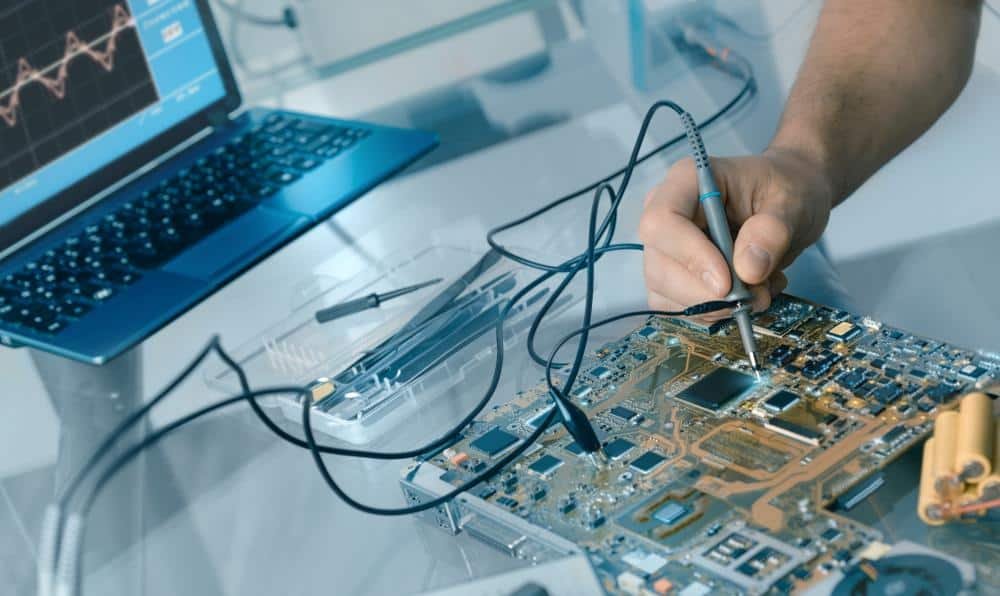
Developing a successful electronic device requires a structured approach from concept to production. Understanding the electronic product design project planning steps is essential for teams aiming to deliver reliable, cost-effective, and innovative solutions. This guide breaks down the key phases, explains best practices, and highlights how to avoid common pitfalls throughout the process.
Whether you are a startup founder, project manager, or an engineer, a well-organized plan can make the difference between a product that excels in the market and one that falls short. Early attention to planning details, performance testing, and lifecycle considerations will help ensure your project stays on track and meets both technical and business goals.
For teams looking to optimize their development workflow, it’s also important to consider aspects like electronic product design performance testing guide early in the planning process. This ensures that performance and reliability are built into the product from the outset.
Understanding the Product Requirements and Market Needs
The first step in any electronics development project is to define clear objectives and gather requirements. This involves:
- Identifying the target market and user needs
- Setting functional and technical specifications
- Determining compliance and regulatory requirements
- Establishing budget and timeline constraints
Engaging stakeholders early helps avoid costly changes later. Market research, competitor analysis, and customer interviews provide valuable insights that shape the product’s direction. Documenting these requirements in a formal specification is critical for aligning the team and managing scope throughout the project.
Concept Development and Feasibility Analysis
Once requirements are defined, the next phase is to brainstorm solutions and assess their feasibility. This stage typically includes:
- Generating multiple design concepts
- Evaluating technical risks and challenges
- Estimating costs and resource needs
- Building proof-of-concept prototypes if needed
Feasibility studies help identify potential roadblocks and allow teams to make informed decisions before investing heavily in a particular direction. This is also the time to consider manufacturability, supply chain constraints, and long-term support for the product.

Detailed Design and Prototyping
After selecting the most promising concept, the team moves into detailed design. This phase covers:
- Creating schematics and PCB layouts
- Selecting components and materials
- Developing firmware and software (if applicable)
- Designing mechanical enclosures and interfaces
Prototyping is a crucial part of this stage. Building and testing early versions of the product allows the team to validate design choices, identify issues, and refine the solution. Iterative prototyping helps reduce risk and ensures that the final product meets all requirements.
For more information on material selection, refer to the electronic product design pcb material selection resource, which offers guidance on choosing the right substrates and components for your application.
Verification, Testing, and Compliance
Testing is an integral part of the electronic product design project planning steps. This phase ensures the product functions as intended and meets all regulatory standards. Key activities include:
- Functional and performance testing
- Environmental and stress testing
- EMC and safety compliance checks
- Design validation against requirements
Comprehensive testing helps catch defects before mass production, saving time and costs. It’s also essential for meeting certifications required for market entry. Teams should document all test results and maintain traceability to the original requirements.
For a deeper dive into the testing process, the electronic product design performance testing guide provides practical advice on setting up test protocols and interpreting results.
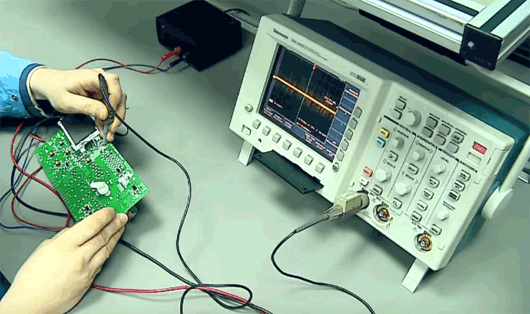
Manufacturing Preparation and Cost Optimization
Transitioning from prototype to production involves careful planning to ensure scalability and cost efficiency. Key steps include:
- Finalizing the bill of materials (BOM)
- Optimizing design for manufacturability (DFM)
- Engaging with suppliers and contract manufacturers
- Setting up quality control processes
Cost reduction strategies, such as component standardization and design simplification, can have a significant impact on profitability. Early collaboration with manufacturing partners helps identify potential issues and streamline the transition to volume production.
For more on managing costs throughout the product lifecycle, see the electronic product lifecycle cost analysis guide.
Product Launch and Post-Release Support
After successful production, the focus shifts to launching the product and supporting customers. This phase includes:
- Coordinating logistics and distribution
- Developing user documentation and training materials
- Setting up technical support channels
- Monitoring field performance and collecting feedback
Continuous improvement is key. Gathering user feedback and monitoring product performance allows teams to address issues quickly and plan for future updates or next-generation versions. Effective obsolescence management, as outlined in the electronic product obsolescence management guide, ensures long-term support and customer satisfaction.
Best Practices for Effective Project Planning
To maximize the success of your electronics development project, consider these best practices:
- Maintain clear and open communication among all stakeholders
- Use project management tools to track progress and manage risks
- Document every stage thoroughly for traceability and future reference
- Plan for localization and international compliance if targeting global markets—see the electronic product localization considerations guide for more details
- Stay updated on industry trends and evolving standards
Leveraging external expertise, such as consulting with experienced design firms or referencing resources like this overview of electronic product design principles, can help fill knowledge gaps and accelerate development.
Frequently Asked Questions
What are the most critical phases in electronics project planning?
The most crucial stages include requirements gathering, feasibility analysis, detailed design, prototyping, testing, and manufacturing preparation. Each phase builds on the previous one and helps ensure the final product meets all expectations and standards.
How can teams reduce costs during the design process?
Cost savings can be achieved by selecting standard components, optimizing for manufacturability, minimizing design complexity, and collaborating with suppliers early. Regular reviews and cost analysis throughout the project help identify further opportunities for savings.
Why is compliance testing important in electronics development?
Compliance testing ensures the product meets legal and regulatory standards for safety, electromagnetic compatibility, and environmental impact. Passing these tests is mandatory for market entry and helps avoid recalls or legal issues after launch.
How does performance testing fit into the planning process?
Performance testing verifies that the product operates reliably under expected conditions. Integrating testing early and throughout development helps catch issues before production, reducing the risk of costly post-launch failures.
By following these structured electronic product design project planning steps, teams can improve efficiency, reduce risks, and deliver high-quality products that meet market demands and regulatory requirements.
