

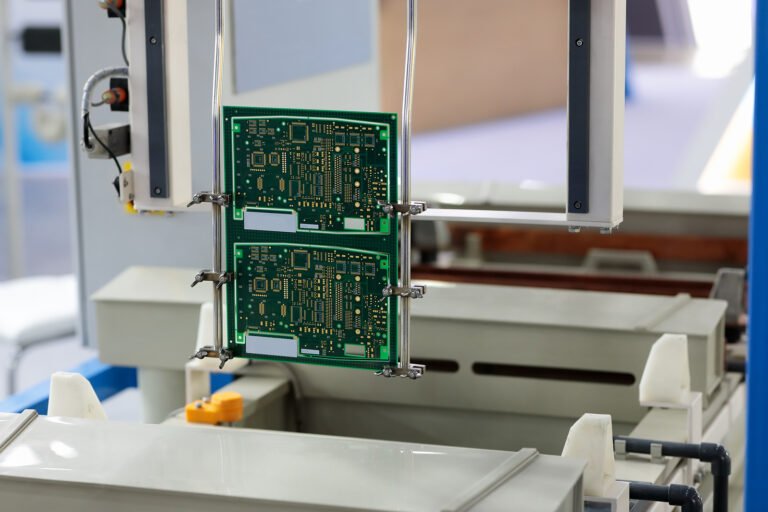
The electronic product design change management process is a critical aspect of bringing reliable, compliant, and cost-effective electronics to market. As products evolve from concept to production, design changes are inevitable—whether driven by customer feedback, supply chain constraints, regulatory updates, or the pursuit of better performance and lower costs. Effectively managing these changes ensures that teams avoid costly errors, maintain traceability, and deliver high-quality products on schedule.
This guide explores the essential steps, best practices, and tools for managing design changes in electronic product development. Whether you’re an engineer, project manager, or quality specialist, understanding this process will help you minimize risks and streamline your workflow.
For a deeper understanding of related topics, you may also find the electronic product design performance testing guide helpful, especially when considering how changes impact product reliability and compliance.
Why Change Management Matters in Electronics Development
Change is a constant in the electronics industry. New technologies, shifting customer requirements, and evolving standards mean that even the best-laid plans must adapt. Without a structured approach, design changes can lead to:
- Uncontrolled revisions and confusion among teams
- Missed regulatory requirements or compliance failures
- Increased costs due to rework, scrap, or delays
- Quality issues that impact customer satisfaction
Implementing a robust electronic product design change management process helps organizations maintain control, document decisions, and ensure that every modification is evaluated for its impact on the final product.
Key Steps in the Design Change Management Workflow
While every organization may tailor its workflow, most effective processes share several core steps. Here’s an overview of how changes should be managed from identification to implementation:
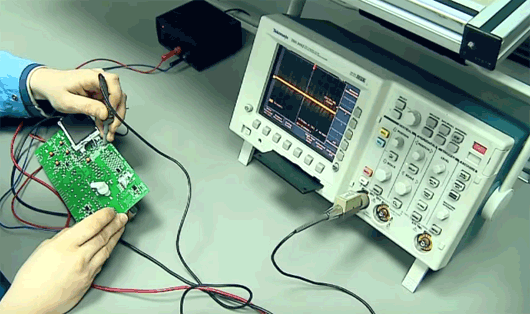
1. Change Identification and Request
The process begins when a need for modification is identified. This could be due to a component becoming obsolete, a test failure, or customer feedback. A formal change request is submitted, outlining the reason and proposed solution.
2. Impact Analysis
Next, stakeholders assess the potential effects of the proposed change. This includes technical, cost, schedule, and compliance impacts. Cross-functional teams—engineering, quality, procurement, and manufacturing—should be involved to ensure all perspectives are considered.
3. Review and Approval
Once the analysis is complete, the change is reviewed by a designated authority, such as a Change Control Board (CCB). The board evaluates the risks and benefits, then approves, rejects, or requests modifications to the proposal.
4. Implementation Planning
Approved changes require a clear implementation plan. This includes updating design documentation, bills of materials (BOMs), schematics, and software. Teams must also plan for any necessary testing, validation, or regulatory submissions.
5. Execution and Verification
The change is executed according to the plan. Verification activities—such as prototype builds, functional testing, and inspections—ensure that the modification achieves its intended goals without introducing new issues.
6. Documentation and Communication
All changes must be thoroughly documented, including rationale, approvals, and affected documents. Communication is key: all relevant teams, suppliers, and customers should be informed of the change and its implications.
7. Closure and Continuous Improvement
After successful implementation, the change is formally closed. Lessons learned are captured to improve future change management activities, supporting a culture of continuous improvement.
Best Practices for Managing Design Changes
To ensure a smooth and effective electronic product design change management process, consider these industry best practices:
- Standardize Documentation: Use consistent templates for change requests, impact assessments, and approvals. This reduces ambiguity and speeds up reviews.
- Maintain Traceability: Link every change to specific requirements, test results, and product versions. This is essential for audits and regulatory compliance.
- Automate Where Possible: Leverage Product Lifecycle Management (PLM) or Electronic Document Management Systems (EDMS) to automate notifications, approvals, and record-keeping.
- Engage Cross-Functional Teams: Involve representatives from all affected departments early in the process to avoid surprises and ensure buy-in.
- Train Teams Regularly: Ensure everyone understands the process, tools, and their responsibilities. Regular training minimizes errors and resistance to change.
Tools and Technologies Supporting Change Management
Modern electronics development relies on digital tools to streamline and enforce change management. Some common solutions include:
- PLM Systems: Centralize product data, automate workflows, and track revisions across the product lifecycle.
- Version Control Software: Manage changes to schematics, PCB layouts, and firmware, ensuring that teams always work from the latest files.
- Collaboration Platforms: Facilitate communication, document sharing, and task tracking among distributed teams.
For organizations seeking specialized support, professional electronic product design services can provide guidance on implementing robust change management systems tailored to specific needs.
Common Challenges and How to Overcome Them
Even with a well-defined process, teams may encounter obstacles. Here are some frequent challenges and strategies to address them:
| Challenge | Solution |
|---|---|
| Poor Communication | Establish clear notification protocols and regular update meetings. |
| Lack of Documentation | Mandate documentation at every stage and use digital tools for record-keeping. |
| Resistance to Change | Provide training and highlight the benefits of structured change management. |
| Slow Approval Cycles | Automate workflows and empower teams with clear decision-making authority. |
Integrating Change Management with the Product Lifecycle
Change management is not a standalone activity—it’s intertwined with every phase of the product lifecycle, from initial concept through end-of-life. Early integration ensures that changes are evaluated in the context of cost, manufacturability, and long-term support. For more on this topic, the electronic product lifecycle cost analysis guide provides insights into balancing design changes with overall product economics.
Additionally, considering mechanical and localization aspects during change management can prevent downstream issues. Explore the electronic product mechanical integration guide and electronic product localization considerations for further strategies.
Frequently Asked Questions
What is the main goal of a design change management process in electronics?
The primary objective is to ensure that all changes are controlled, documented, and evaluated for their impact on product quality, compliance, cost, and schedule. This reduces the risk of errors and supports consistent, high-quality product delivery.
How do you ensure traceability during design changes?
Traceability is maintained by linking each change to specific requirements, test results, and product versions. Using PLM or document management systems helps automate this linkage and ensures that all records are easily accessible for audits or troubleshooting.
Can small design changes skip the formal process?
Even minor modifications should follow a documented process, though the level of review and approval may be scaled based on risk. Skipping steps can lead to undocumented changes, which may cause compliance or quality issues later in the product lifecycle.
Conclusion
Managing design changes in electronic product development is essential for delivering reliable, compliant, and cost-effective products. By following a structured electronic product design change management process, organizations can minimize risks, maintain documentation, and ensure that every modification supports the overall success of the project. Leveraging best practices, digital tools, and cross-functional collaboration will help teams adapt to change while maintaining control and efficiency throughout the product lifecycle.
