

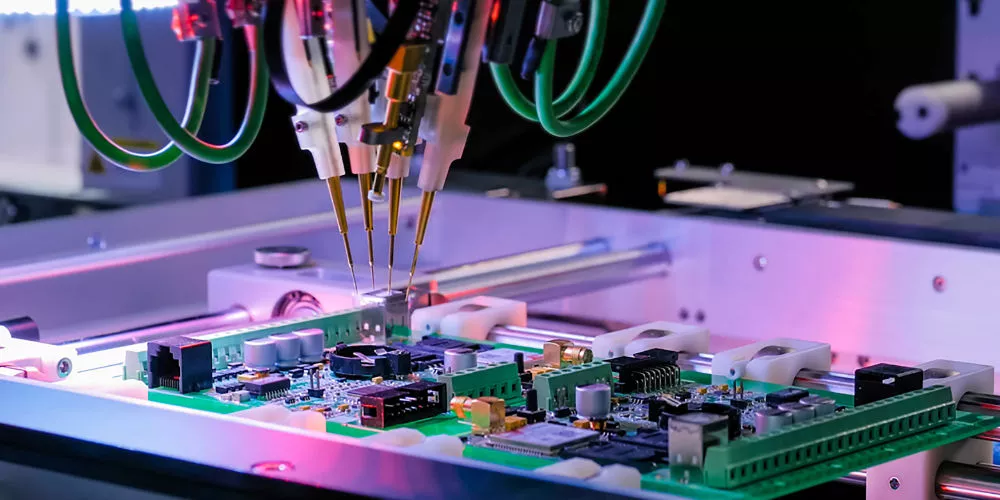
Developing a new electronic product is an exciting process, but it also comes with a range of financial challenges. Whether you’re a startup founder, an engineering manager, or a procurement specialist, understanding how to allocate resources efficiently is essential for a successful launch. This guide covers practical electronic product design budgeting tips to help you manage costs, avoid common pitfalls, and ensure your project stays on track from concept to production.
Before diving into detailed strategies, it’s helpful to understand how budgeting fits into the broader development process. For a deeper look at system integration and workflow considerations, the electronic product design system integration guide offers valuable context for planning your next project.
Understanding Cost Drivers in Electronic Product Development
One of the first steps in effective budgeting is identifying the main factors that influence costs. These drivers can vary depending on the complexity of your design, the intended market, and the scale of production. Here are some of the most significant contributors to overall expenses:
- Component selection: The choice of microcontrollers, sensors, displays, and other parts can greatly impact both unit cost and development time.
- Prototyping and testing: Building and refining prototypes is essential, but each iteration adds to the budget.
- Compliance and certification: Meeting regulatory standards (such as CE, FCC, or UL) often requires additional testing and documentation.
- Manufacturing setup: Tooling, molds, and assembly line preparation can represent a major upfront investment.
- Design complexity: More advanced features or miniaturization typically increase engineering hours and risk of redesigns.
By mapping out these cost drivers early, you can make informed decisions that balance functionality, quality, and affordability.

Strategic Planning for Accurate Budget Estimates
Accurate budgeting begins with a clear understanding of your product’s requirements and constraints. Here are several strategies for electronic design budgeting that can help you develop more reliable estimates:
- Define clear specifications: Ambiguity in requirements leads to scope creep and unexpected costs. Document all features, performance targets, and regulatory needs up front.
- Break down the project: Divide the development process into phases (concept, prototyping, testing, pre-production, mass production) and estimate costs for each stage.
- Consult with suppliers early: Engage component vendors and contract manufacturers to get realistic quotes and lead times. This helps avoid surprises later in the process.
- Include contingency funds: Set aside a buffer (typically 10–20%) for unforeseen expenses such as redesigns, supply chain delays, or additional testing.
For more details on how documentation impacts cost control, refer to the electronic product design documentation workflow article, which outlines best practices for managing technical information throughout the project.
Balancing Quality and Cost in Component Selection
Choosing the right components is a balancing act between performance, reliability, and price. Here are some budgeting tips for electronic product design when it comes to sourcing parts:
- Standardize where possible: Using widely available, off-the-shelf components can reduce costs and simplify procurement.
- Evaluate total cost of ownership: Consider not just the purchase price, but also factors like power consumption, expected lifespan, and availability for future production runs.
- Plan for obsolescence: Check the lifecycle status of critical components to avoid costly redesigns if parts become unavailable.
- Negotiate with multiple suppliers: Getting quotes from several vendors can reveal price differences and improve your bargaining position.
For a comprehensive overview of what goes into creating a new device, the fundamentals of electronic product design page covers the essential steps and considerations for new projects.

Managing Prototyping and Testing Expenses
Prototyping is a critical phase in any hardware project, but costs can escalate quickly if not managed carefully. Here’s how to keep expenses under control while ensuring quality:
- Limit the number of iterations: Use simulation tools and virtual prototypes to refine designs before committing to physical builds.
- Batch prototype orders: Grouping multiple design changes into a single prototype run can reduce per-unit costs and save time.
- Leverage rapid prototyping services: 3D printing and quick-turn PCB fabrication can accelerate development and reduce waste.
- Document test procedures: Clear, repeatable test plans help avoid redundant work and ensure consistent results across prototypes.
Testing is not just about verifying function; it’s also essential for compliance. For more on this, the electronic product design performance testing guide provides a detailed look at validation strategies and their impact on project budgets.
Factoring in Compliance, Certification, and Safety
Meeting regulatory requirements is mandatory for most electronic products, especially if you plan to sell internationally. These steps can add significant costs and time to your project:
- Research standards early: Identify which certifications (e.g., CE, FCC, RoHS) apply to your product and budget for associated testing and documentation.
- Work with accredited labs: Using recognized testing facilities can streamline the approval process and reduce the risk of costly failures.
- Plan for multiple markets: If you intend to sell globally, consider the requirements for each region from the outset. The guide to global market readiness offers insights into international compliance and budgeting.
Safety and regulatory compliance are non-negotiable, but with careful planning, you can minimize delays and avoid budget overruns.
Optimizing for Production and Scaling Up
Once your design is finalized and certified, transitioning to mass production presents a new set of financial considerations. Here are some ways to optimize costs as you scale:
- Negotiate volume discounts: Higher order quantities typically reduce per-unit costs, but be mindful of inventory risks.
- Invest in automation: Automated assembly and testing can lower labor costs and improve consistency for large production runs.
- Monitor supply chain health: Diversify suppliers and maintain buffer stock to mitigate disruptions that could lead to expensive delays.
- Review quality control processes: Catching defects early prevents costly recalls or warranty claims down the line.
Continuous monitoring and adjustment of your production strategy can help you maintain profitability as your business grows.
Frequently Asked Questions
What are the most common budgeting mistakes in electronic product design?
Some frequent errors include underestimating prototyping and testing costs, overlooking compliance expenses, and failing to account for supply chain fluctuations. It’s also common to neglect contingency funds, which can leave projects vulnerable to unexpected setbacks.
How can I reduce costs without sacrificing quality?
Focus on standardizing components, optimizing your design for manufacturability, and working closely with suppliers to negotiate better terms. Investing in thorough documentation and robust testing procedures can also prevent costly errors and rework later in the process.
When should I start planning for certification and compliance?
It’s best to address regulatory requirements at the earliest stages of development. Early planning helps you avoid expensive redesigns and ensures your product can be sold in your target markets without delays.
