

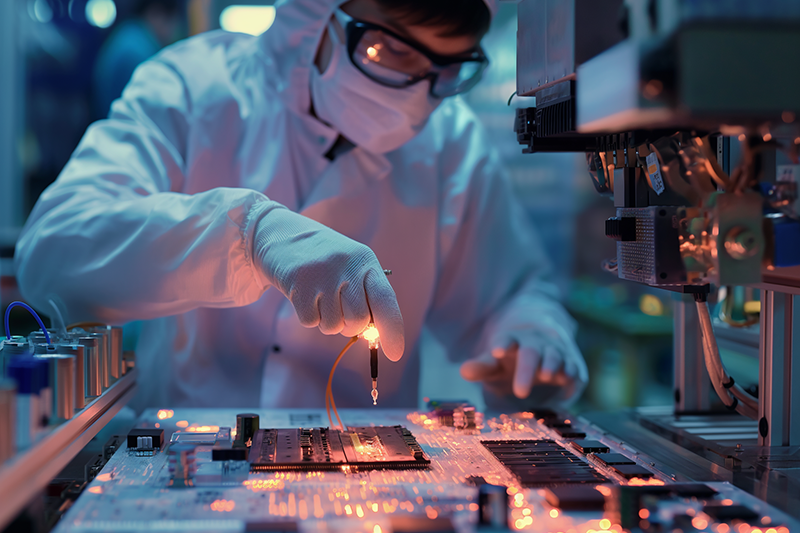
When manufacturing printed circuit boards (PCBs), the choice of surface finish is a critical step that directly impacts performance, reliability, and manufacturability. Circuit board finishing types refer to the various coatings applied to the exposed copper surfaces of a PCB to protect them from oxidation, ensure solderability, and maintain electrical integrity. Selecting the right finish is essential for both high-volume industrial production and specialized electronic devices.
This guide provides a comprehensive overview of the most common PCB surface finishes, their advantages, limitations, and how to choose the best option for your application. For those interested in how these finishes fit into the broader development process, you may also want to review the electronic product design documentation workflow for a detailed look at the steps from concept to production.
Why PCB Surface Finishes Matter
The copper traces and pads on a PCB are highly susceptible to oxidation and corrosion if left unprotected. Surface finishes serve several important functions:
- Protection: Prevent copper from oxidizing, which can degrade electrical performance.
- Solderability: Provide a solderable surface for component attachment during assembly.
- Electrical Reliability: Maintain consistent conductivity and signal integrity.
- Mechanical Strength: Enhance the durability of pads and vias, especially for fine-pitch components.
The choice among circuit board finishing types depends on factors such as assembly method, product lifespan, environmental exposure, and cost constraints.

Overview of Common Circuit Board Finishing Types
Let’s explore the most widely used PCB surface finishes, their properties, and typical applications.
Hot Air Solder Leveling (HASL)
HASL is one of the oldest and most economical finishes. The board is dipped in molten solder, then excess solder is removed using hot air knives. This creates a protective layer over copper pads.
- Pros: Low cost, excellent solderability, widely available.
- Cons: Uneven surface, not suitable for fine-pitch components, contains lead (though lead-free HASL is available).
- Best for: General-purpose electronics, through-hole assembly, prototypes.
Electroless Nickel Immersion Gold (ENIG)
ENIG is a two-layer finish: a layer of nickel is deposited on the copper, followed by a thin layer of gold. This provides a flat, durable, and highly solderable surface.
- Pros: Flat surface, excellent for fine-pitch and BGA components, long shelf life, lead-free.
- Cons: Higher cost, risk of “black pad” defect if not processed correctly.
- Best for: High-density designs, surface-mount technology (SMT), high-reliability applications.
Immersion Silver (ImAg)
Immersion silver is a thin, uniform silver layer deposited over copper. It offers good solderability and is often used in high-frequency applications due to its excellent electrical properties.
- Pros: Flat surface, good for fine-pitch, excellent electrical performance, lead-free.
- Cons: Sensitive to handling and environmental contaminants, shorter shelf life than ENIG.
- Best for: RF circuits, high-speed digital boards, mid-volume production.
Immersion Tin (ImSn)
Immersion tin is a cost-effective, lead-free finish that provides a flat surface for assembly. Tin is deposited directly onto copper, which can diffuse over time.
- Pros: Flat surface, good solderability, compatible with fine-pitch components.
- Cons: Tin whisker growth risk, limited shelf life, not suitable for multiple reflows.
- Best for: Consumer electronics, short-lifecycle products.
Organic Solderability Preservative (OSP)
OSP is a water-based organic coating that protects copper from oxidation. It is environmentally friendly and cost-effective, but less robust than metallic finishes.
- Pros: Low cost, lead-free, environmentally friendly, flat surface.
- Cons: Limited durability, not suitable for multiple soldering cycles, sensitive to handling.
- Best for: High-volume, low-cost products, single reflow processes.

Comparing Key Properties of PCB Surface Finishes
Each surface finish offers a unique balance of cost, performance, and suitability for different assembly methods. Here’s a comparison of the most important attributes:
| Finish | Surface Flatness | Solderability | Lead-Free | Cost | Shelf Life |
|---|---|---|---|---|---|
| HASL | Low | High | Optional | Low | Good |
| ENIG | Excellent | High | Yes | High | Excellent |
| Immersion Silver | Excellent | High | Yes | Moderate | Moderate |
| Immersion Tin | Excellent | High | Yes | Low | Limited |
| OSP | Excellent | High | Yes | Low | Poor |
How to Select the Right Surface Finish
Choosing among circuit board finishing types depends on your product’s requirements and manufacturing constraints. Consider these factors:
- Assembly Process: SMT and fine-pitch components benefit from flat finishes like ENIG or immersion silver.
- Environmental Exposure: Harsh environments may require more robust finishes such as ENIG.
- Cost Sensitivity: For budget-sensitive projects, HASL or OSP may be sufficient.
- Product Lifecycle: Long-life products need finishes with extended shelf life and durability.
- Regulatory Requirements: Lead-free finishes are mandatory for RoHS compliance.
For a deeper dive into the full manufacturing process, including how surface finishes fit into the workflow, see this complete overview of electronic manufacturing services.
Emerging Trends and Specialized Finishes
While the finishes above cover most standard needs, specialized applications may require advanced coatings such as:
- Electrolytic Hard Gold: Used for edge connectors and wear-resistant contacts.
- Selective Finishes: Combining multiple finishes on a single board for cost or performance optimization.
- Graphene and Nanocoatings: Experimental finishes for high-frequency and harsh environment electronics.
As electronic products become more complex and miniaturized, the importance of selecting the optimal finish continues to grow. For global product launches, understanding regional compliance and performance standards is also key. You can learn more about this in the guide to electronic product design for global markets.
Frequently Asked Questions
What is the most cost-effective PCB surface finish?
For most general-purpose electronics, HASL and OSP are the most economical options. HASL is widely used for prototypes and through-hole assembly, while OSP is favored for high-volume, single-reflow SMT production. However, each has limitations in terms of flatness and durability.
Which finish is best for fine-pitch or BGA components?
Flat finishes such as ENIG and immersion silver are ideal for fine-pitch and BGA components. They provide a smooth, even surface that supports precise soldering and reduces the risk of bridging or open connections.
How do I ensure my PCB finish is RoHS compliant?
Choose a lead-free finish such as ENIG, immersion silver, immersion tin, or OSP. Always confirm with your PCB manufacturer that their processes meet RoHS and other relevant environmental standards.
Can I use multiple finishes on a single board?
Yes, selective finishing is possible and sometimes used for cost or performance reasons. For example, hard gold may be applied to edge connectors, while ENIG or OSP is used elsewhere. Discuss your needs with your PCB supplier to determine feasibility and cost.
Conclusion
Understanding the range of circuit board finishing types is crucial for designing reliable, manufacturable, and cost-effective electronic products. By weighing the trade-offs between protection, solderability, cost, and compliance, you can select the finish that best matches your specific application. For further reading on related topics, consider exploring electronic product design performance testing guide to ensure your finished PCBs meet all functional and quality requirements.
