

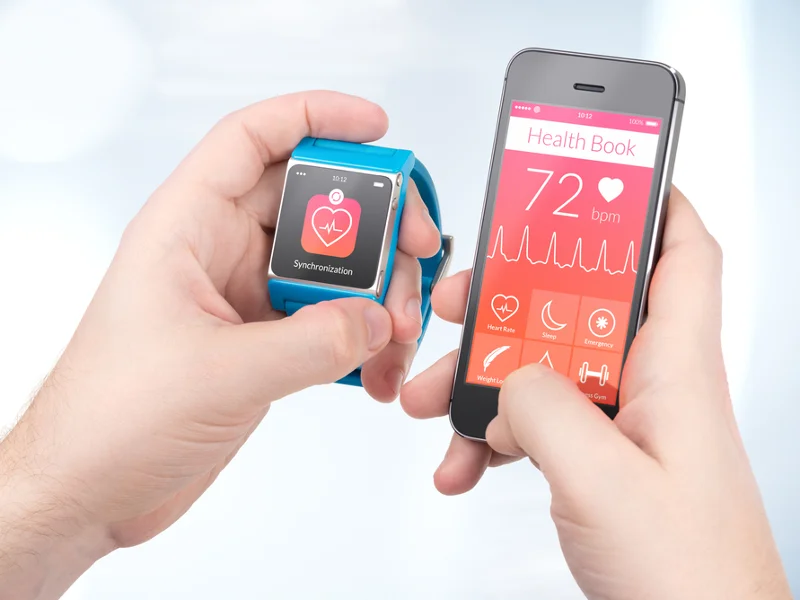
The rapid growth of wearable devices—such as fitness trackers, smartwatches, and health monitoring gadgets—has transformed how people interact with technology in daily life. As these products become more sophisticated and integrated into healthcare, fitness, and personal safety, ensuring their safety and compliance with regulatory standards is crucial. One of the most important certifications for manufacturers and importers selling in the European Economic Area (EEA) is CE marking for wearable technology.
This guide provides a clear overview of what CE marking means for wearables, the steps involved in achieving compliance, and why it matters for both businesses and consumers. For those developing or integrating smart devices, understanding the regulatory landscape is essential. If you are interested in the broader context of electronic systems, the electronic product design system integration guide offers valuable insights into building compliant and reliable products.
Understanding CE Marking and Its Importance for Wearables
CE marking is a certification mark that indicates conformity with health, safety, and environmental protection standards for products sold within the EEA. For wearable technology, this mark is not just a label—it is a legal requirement for market access in Europe. It demonstrates that a product meets all relevant EU directives and regulations, such as the Radio Equipment Directive (RED), Electromagnetic Compatibility (EMC) Directive, Low Voltage Directive (LVD), and, in some cases, the Medical Device Regulation (MDR).
The presence of the CE mark assures consumers and authorities that the device has undergone the necessary assessment procedures and is safe for use. For manufacturers, failing to comply can result in product recalls, fines, or bans from the European market.
Which Wearable Devices Require CE Certification?
Most electronic wearables intended for the European market require CE marking. This includes, but is not limited to:
- Smartwatches and fitness trackers
- Wearable medical devices (e.g., heart rate monitors, glucose sensors)
- Smart clothing and textiles with embedded sensors
- Augmented reality (AR) and virtual reality (VR) headsets
- Personal safety devices (e.g., panic buttons, fall detectors)
The specific directives and standards that apply depend on the device’s function, connectivity, and intended use. For example, a fitness tracker with Bluetooth connectivity must comply with the RED and EMC directives, while a wearable that monitors vital signs for medical purposes may also fall under the MDR.
Key Steps in Achieving CE Marking for Wearable Technology
The process for obtaining CE marking involves several critical steps. Manufacturers and importers should approach each phase carefully to ensure full compliance:
- Identify Applicable Directives and Standards: Determine which EU directives and harmonized standards apply to your device. For wearables, this often includes the RED, EMC, LVD, and possibly MDR.
- Conduct a Risk Assessment: Evaluate potential risks associated with the product’s use, including electrical safety, electromagnetic emissions, data privacy, and biocompatibility (for skin-contact devices).
- Testing and Evaluation: Perform laboratory testing to verify compliance with relevant standards. This may involve electromagnetic compatibility tests, electrical safety checks, and, for medical devices, clinical evaluations.
- Compile Technical Documentation: Prepare a technical file containing design drawings, test reports, risk assessments, and user manuals. This documentation must be available for inspection by authorities.
- Draft and Sign the EU Declaration of Conformity: This legal document states that the product meets all applicable requirements. It must be signed by the manufacturer or authorized representative.
- Affix the CE Mark: Once all steps are complete, the CE mark can be placed on the device and its packaging.
For a more detailed breakdown of the documentation process, the electronic product design documentation workflow can help clarify what is required for technical files and declarations.
Common Directives and Standards for Smart Devices
The following EU directives and harmonized standards are most frequently relevant to wearable electronics:
- Radio Equipment Directive (RED) 2014/53/EU: Applies to devices with wireless communication capabilities (Bluetooth, Wi-Fi, cellular).
- Electromagnetic Compatibility (EMC) Directive 2014/30/EU: Ensures devices do not emit or are not susceptible to electromagnetic disturbances.
- Low Voltage Directive (LVD) 2014/35/EU: Covers electrical safety for devices operating within certain voltage ranges.
- Medical Device Regulation (MDR) 2017/745: Applies if the wearable is intended for medical purposes, such as diagnosis, prevention, or monitoring of disease.
Understanding which standards apply is essential for a smooth compliance process. The electronic product design safety standards comparison offers a helpful overview of how different directives impact electronic products.
Challenges in Certifying Wearable Electronics
Achieving CE compliance for wearables presents unique challenges compared to traditional electronics:
- Miniaturization: The compact size of wearables can make it difficult to meet EMC and safety requirements, as components are tightly packed.
- Wireless Connectivity: Multiple radio modules (Bluetooth, Wi-Fi, NFC) increase the complexity of testing for electromagnetic compatibility and radio frequency exposure.
- Biocompatibility: Devices worn on the skin must be tested for irritation and allergic reactions, especially if marketed as medical devices.
- Data Privacy: Wearables often collect sensitive health or location data, so compliance with data protection regulations (such as GDPR) is also necessary.

Benefits of Compliance for Manufacturers and Consumers
Obtaining CE marking for wearable technology offers several advantages:
- Market Access: Only CE-marked products can be legally sold in the EEA, opening up a large and lucrative market.
- Consumer Trust: The CE mark signals to buyers that the product meets strict safety and performance standards.
- Reduced Liability: Proper certification helps protect manufacturers from legal claims related to product safety.
- Competitive Advantage: Compliance can differentiate a brand in a crowded market, especially as consumers become more aware of product safety.
For those interested in the technical side of ensuring device reliability, the electronic product design reliability engineering basics guide provides practical strategies for robust device development.
Integrating CE Marking into the Product Development Lifecycle
To streamline certification, it is best to consider regulatory requirements from the earliest stages of product design. This proactive approach helps avoid costly redesigns and delays. Key tips include:
- Design for Compliance: Select components and materials that already meet relevant standards.
- Document Everything: Keep thorough records of design decisions, test results, and supplier declarations.
- Work with Accredited Labs: Use reputable testing facilities for EMC, radio, and safety assessments.
- Stay Updated: EU regulations evolve, so monitor changes to directives and standards that may affect your device.
For a deeper look at how wearable devices function and the science behind them, see this detailed explanation of how wearable technology works.
Frequently Asked Questions
What is the purpose of CE marking on wearable devices?
The CE mark indicates that a wearable device complies with all relevant EU safety, health, and environmental regulations. It is a legal requirement for selling these products in the EEA and helps ensure that devices are safe for consumers.
Do all wearable technologies need CE certification?
Most electronic wearables intended for the European market require CE marking, especially if they include wireless communication or are used for health monitoring. The specific requirements depend on the device’s features and intended use.
How long does it take to obtain CE marking for a new wearable?
The timeline varies based on the product’s complexity and the number of applicable directives. Simple devices may achieve compliance in a few weeks, while more complex or medical-grade wearables can take several months due to rigorous testing and documentation requirements.
Can I self-certify my wearable device for CE marking?
For some types of wearables, manufacturers can self-certify by following the appropriate conformity assessment procedures. However, if the device falls under certain categories (such as medical devices), involvement of a Notified Body may be required.
