


As the demand for electronic devices continues to rise, so does the urgency to address their environmental impact. From manufacturing to end-of-life disposal, every stage in the electronics lifecycle offers opportunities to reduce waste, conserve resources, and minimize pollution. Adopting electronics sustainability techniques is no longer optional—it’s essential for manufacturers, designers, and consumers who want to ensure a more responsible future for technology.
This article explores practical strategies for making electronics more sustainable, including eco-friendly materials, energy-efficient manufacturing, responsible sourcing, and effective recycling. For those interested in the technical side of product development, the electronic product design performance testing guide provides additional insights into optimizing devices for both quality and sustainability.
Eco-Friendly Materials in Electronic Devices
Choosing the right materials is a foundational step in making electronics more sustainable. Traditional components often rely on plastics, rare metals, and hazardous chemicals that can harm the environment during extraction, processing, and disposal. By switching to eco-friendly alternatives, manufacturers can significantly reduce the ecological footprint of their products.
- Bioplastics and recycled plastics: Using bioplastics derived from renewable sources or recycled plastics helps decrease reliance on fossil fuels and reduces landfill waste.
- Lead-free solder: Replacing traditional lead-based solder with lead-free options minimizes toxic waste and health risks for workers and end-users.
- Responsible metal sourcing: Opting for metals from certified, conflict-free sources ensures that mining practices do not contribute to environmental degradation or human rights abuses.
Energy-Efficient Manufacturing and Design
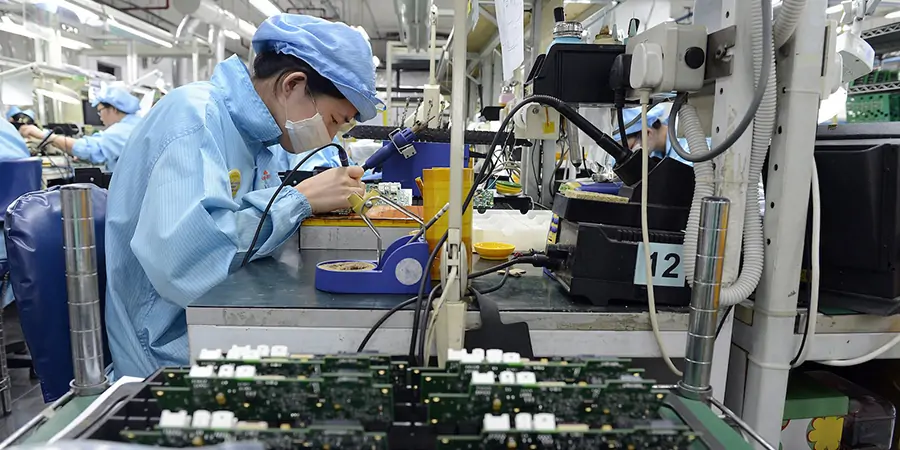
Reducing energy consumption during both the manufacturing process and product use is a key aspect of sustainable electronics. Manufacturers are increasingly adopting energy-efficient production methods and designing devices that consume less power throughout their operational life.
- Smart factory automation: Implementing advanced automation and monitoring systems helps optimize energy use and minimize waste in production facilities.
- Low-power components: Selecting microcontrollers, displays, and other parts that require less energy extends device battery life and reduces electricity demand.
- Modular design: Creating products with easily replaceable or upgradeable parts encourages longer use and reduces the need for complete replacements.
For a deeper dive into how electronics are made and how sustainability can be integrated at each step, the electronics manufacturing process overview offers a comprehensive look at modern production practices.
Responsible Sourcing and Supply Chain Management
The journey of an electronic device begins long before assembly. Ethical sourcing and transparent supply chains are crucial for minimizing the social and environmental impact of electronics. Companies are increasingly expected to track the origins of their materials and ensure that suppliers adhere to strict environmental and labor standards.
- Supplier audits: Regular assessments of suppliers help verify compliance with environmental regulations and ethical labor practices.
- Conflict mineral avoidance: Ensuring that tin, tungsten, tantalum, and gold are sourced from conflict-free regions reduces the risk of funding armed conflict and exploitation.
- Local sourcing: Procuring materials and components locally, when possible, minimizes transportation emissions and supports regional economies.
Designing for Longevity and Repairability
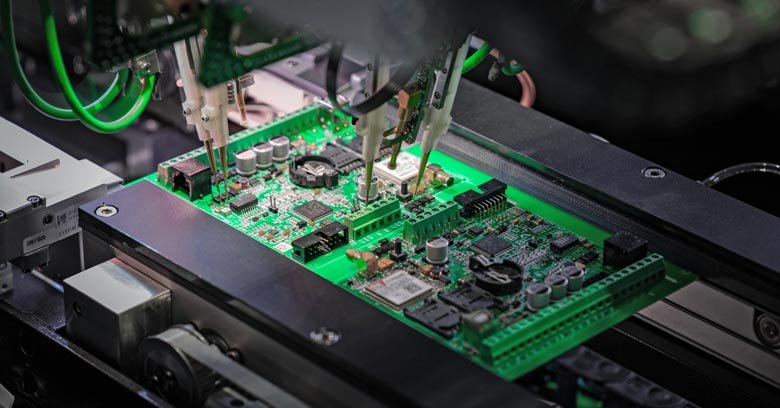
One of the most effective ways to reduce electronic waste is to extend the usable life of devices. Products designed for durability, easy repair, and upgradability are less likely to end up in landfills prematurely. This approach not only benefits the environment but also offers value to consumers.
- Durable construction: Using robust materials and reinforced designs helps devices withstand daily wear and tear.
- Accessible repair guides: Providing clear instructions and spare parts empowers users to fix minor issues themselves.
- Upgradeable hardware: Allowing users to replace or upgrade specific components, such as batteries or storage, extends product relevance and reduces waste.
For those involved in the technical aspects of product development, the electronic product design pcb material selection resource can help ensure that sustainability is considered from the earliest design stages.
Recycling and End-of-Life Management
Even with the best design and manufacturing practices, electronic devices will eventually reach the end of their useful life. Effective recycling and responsible disposal are essential components of any sustainability strategy. By recovering valuable materials and safely handling hazardous substances, the environmental burden of discarded electronics can be greatly reduced.
- Take-back programs: Many manufacturers and retailers now offer collection points for old devices, ensuring they are recycled properly.
- Material recovery: Advanced recycling facilities can extract precious metals, plastics, and other materials for reuse in new products.
- Safe disposal of e-waste: Ensuring that non-recyclable components are disposed of in accordance with environmental regulations prevents pollution and health hazards.
Integrating Sustainability into the Electronics Lifecycle
Achieving meaningful progress requires a holistic approach that considers every phase of a product’s existence. From initial concept through to recycling, integrating electronics sustainability techniques at each stage maximizes positive outcomes for both the environment and society.
- Lifecycle analysis: Evaluating the total environmental impact of a device helps identify the most effective areas for improvement. The electronic product lifecycle cost analysis guide provides valuable tools for this process.
- Collaboration: Working with suppliers, designers, and recyclers ensures that sustainability goals are met throughout the supply chain.
- Consumer education: Informing users about proper care, repair, and recycling options empowers them to participate in sustainability efforts.
Frequently Asked Questions
What are the most impactful sustainability strategies for electronics manufacturers?
The most effective approaches include using recycled and responsibly sourced materials, optimizing energy use during manufacturing, designing for repairability and longevity, and implementing robust recycling programs. Each of these strategies helps reduce waste, conserve resources, and lower the overall environmental impact of electronic products.
How can consumers support sustainable electronics?
Consumers can make a difference by choosing products from companies with strong environmental commitments, repairing devices instead of replacing them, recycling old electronics through official programs, and staying informed about sustainable practices. Supporting brands that prioritize electronics sustainability techniques encourages further innovation in this area.
Why is supply chain transparency important for sustainable electronics?
Transparent supply chains allow manufacturers and consumers to verify that materials are sourced ethically and sustainably. This reduces the risk of environmental harm, supports fair labor practices, and ensures compliance with international standards. Supply chain transparency is a cornerstone of responsible electronics production.
As the electronics industry evolves, embracing these sustainability methods will be crucial for reducing environmental impact and building a more responsible future for technology.
