

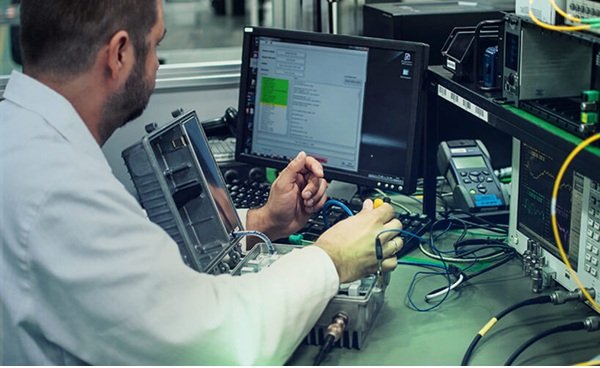
Developing modern electronics requires more than just creativity and technical skills—it demands precision, efficiency, and the ability to predict real-world performance before a single prototype is built. Electronic product design simulation tools have become essential for engineers and product teams aiming to streamline development, reduce errors, and accelerate time to market. These platforms allow users to model circuits, analyze system behavior, and verify designs virtually, minimizing costly iterations and physical testing.
With the increasing complexity of electronic devices, simulation software now plays a pivotal role in ensuring reliability, compliance, and manufacturability. This article explores the landscape of simulation solutions, their core features, and how to select the right tool for your next project.
For a deeper understanding of how simulation fits into the broader product development process, you may also find value in our electronic product design performance testing guide, which covers testing strategies that complement simulation workflows.
Why Simulation Matters in Modern Electronics Development
Simulation has transformed the way engineers approach electronic product design. By modeling circuits and systems virtually, teams can:
- Identify design flaws early, before physical prototyping.
- Optimize component selection and layout for performance and cost.
- Predict thermal, electrical, and mechanical behavior under various conditions.
- Ensure compliance with industry standards and regulatory requirements.
- Reduce the number of physical prototypes, saving time and resources.
These advantages make simulation a cornerstone of efficient, high-quality electronic product development.

Types of Electronic Product Design Simulation Tools
The landscape of electronic product design simulation tools is broad, with solutions tailored to different stages and aspects of the design process. Some of the most common categories include:
Circuit Simulation Software
These tools allow engineers to model analog, digital, or mixed-signal circuits. Popular platforms like SPICE-based simulators enable users to analyze voltage, current, timing, and frequency response. Circuit simulation is invaluable for verifying logic, identifying signal integrity issues, and optimizing performance before PCB layout.
PCB Layout and Signal Integrity Analysis
Once a circuit is validated, PCB design tools with integrated simulation capabilities help engineers optimize trace routing, minimize electromagnetic interference, and ensure manufacturability. Signal integrity analysis predicts how high-speed signals will behave on the board, reducing the risk of data errors or EMI problems.
Thermal and Mechanical Simulation
As devices become more compact and powerful, managing heat and mechanical stress is critical. Thermal simulation software models heat dissipation, airflow, and temperature rise, while mechanical analysis predicts deformation, vibration, and structural integrity. These simulations help prevent failures due to overheating or mechanical fatigue.
System-Level and Embedded Simulation
For complex products, system-level simulators integrate multiple domains—electronics, software, and mechanics. Embedded simulation platforms allow developers to test firmware and hardware interactions, ensuring that the complete system functions as intended before committing to hardware builds.
Key Features to Look for in Simulation Platforms
When evaluating electronic product design simulation tools, consider the following essential features:
- User-friendly interface: Intuitive design speeds up learning and reduces errors.
- Comprehensive component libraries: Access to up-to-date models for ICs, passives, and connectors streamlines design entry.
- Accurate modeling engines: Reliable simulation results depend on robust algorithms and validated component data.
- Integration with PCB design and CAD tools: Seamless workflow from schematic to layout to simulation saves time.
- Support for industry standards: Compliance with formats like Gerber, IPC, and IBIS ensures compatibility and manufacturability.
- Collaboration and version control: Cloud-based platforms or integrated versioning help teams work efficiently and track changes.
Popular Solutions for Electronic Product Simulation
There are many commercial and open-source options available, each with unique strengths. Some of the most widely used solutions include:
- LTspice: A free, powerful SPICE simulator for analog and mixed-signal circuits.
- Altium Designer: An integrated platform combining schematic capture, PCB layout, and simulation.
- Cadence OrCAD/PSpice: Industry-standard tools for advanced circuit and signal integrity analysis.
- ANSYS Electronics Desktop: Comprehensive simulation for electromagnetic, thermal, and mechanical domains.
- KiCad: An open-source suite with basic simulation and PCB design capabilities.
Choosing the right tool often depends on project requirements, team expertise, and budget constraints. For a detailed comparison of design platforms and their simulation capabilities, consider resources like the electronics design solutions overview from Viasion.
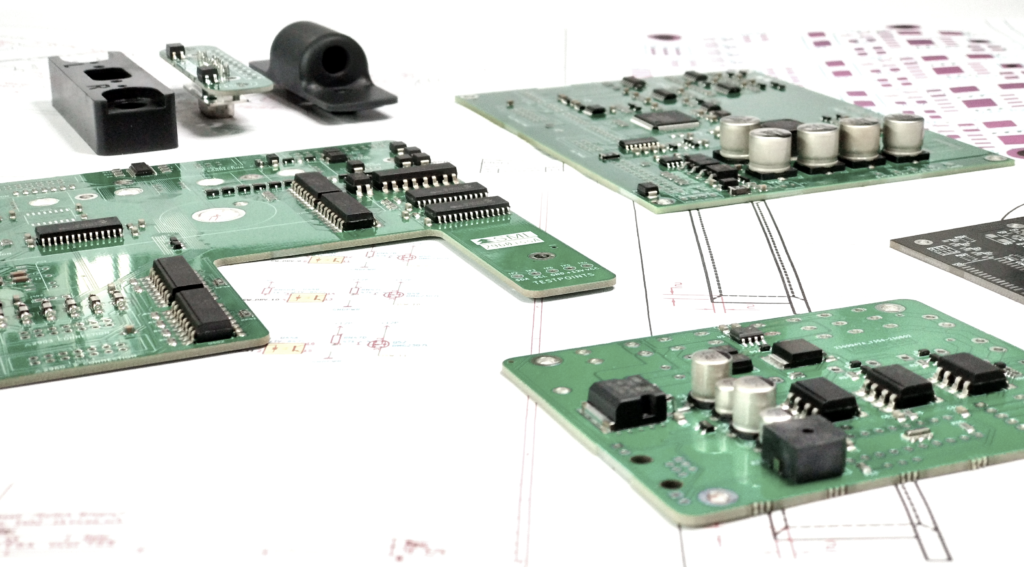
Integrating Simulation into the Product Development Workflow
Simulation is most effective when integrated early and throughout the design process. Here’s how to maximize its impact:
- Start with simulation-driven design: Use virtual prototyping to explore concepts and validate feasibility before schematic capture.
- Iterate with feedback: Analyze simulation results, refine designs, and repeat as needed to address issues proactively.
- Validate at every stage: From circuit to PCB to system-level, continuous simulation ensures that changes do not introduce new problems.
- Document and share results: Maintain clear records of simulation data and decisions for future reference and regulatory compliance.
Integrating simulation with other engineering disciplines is also crucial. For example, material selection can impact both thermal and electrical performance. For guidance on choosing the right PCB materials, refer to the electronic product design pcb material selection guide.
Challenges and Best Practices in Simulation-Driven Design
While simulation offers many benefits, there are challenges to consider:
- Model accuracy: Simulation is only as good as the models and data used. Always validate with real-world measurements when possible.
- Learning curve: Advanced tools can be complex. Invest in training and leverage community resources to build expertise.
- Resource requirements: High-fidelity simulations may demand significant computing power and time. Plan accordingly for large or complex projects.
Best practices include starting with simple models and gradually increasing complexity, validating simulation results with physical prototypes, and maintaining up-to-date libraries and software.
FAQ
What are the main advantages of using simulation in electronic product design?
Simulation enables engineers to detect and correct design errors early, optimize performance, and reduce the number of physical prototypes. This leads to faster development cycles, lower costs, and more reliable products.
How do I choose the right simulation tool for my project?
Consider the complexity of your design, required simulation domains (analog, digital, thermal, mechanical), integration with other tools, and your team’s experience. Evaluate trial versions and consult user communities to find a solution that fits your workflow and budget.
Can simulation completely replace physical prototyping?
While simulation significantly reduces the need for multiple prototypes, it cannot entirely replace physical testing. Real-world validation is still necessary to confirm performance, especially for safety-critical or highly regulated products.
Conclusion
Simulation platforms have become indispensable in the development of modern electronics. By leveraging electronic product design simulation tools, engineers can accelerate innovation, improve product quality, and reduce risk. Integrating these solutions into your workflow, staying updated on best practices, and complementing them with robust testing and material selection strategies will help ensure the success of your next electronic product.
