

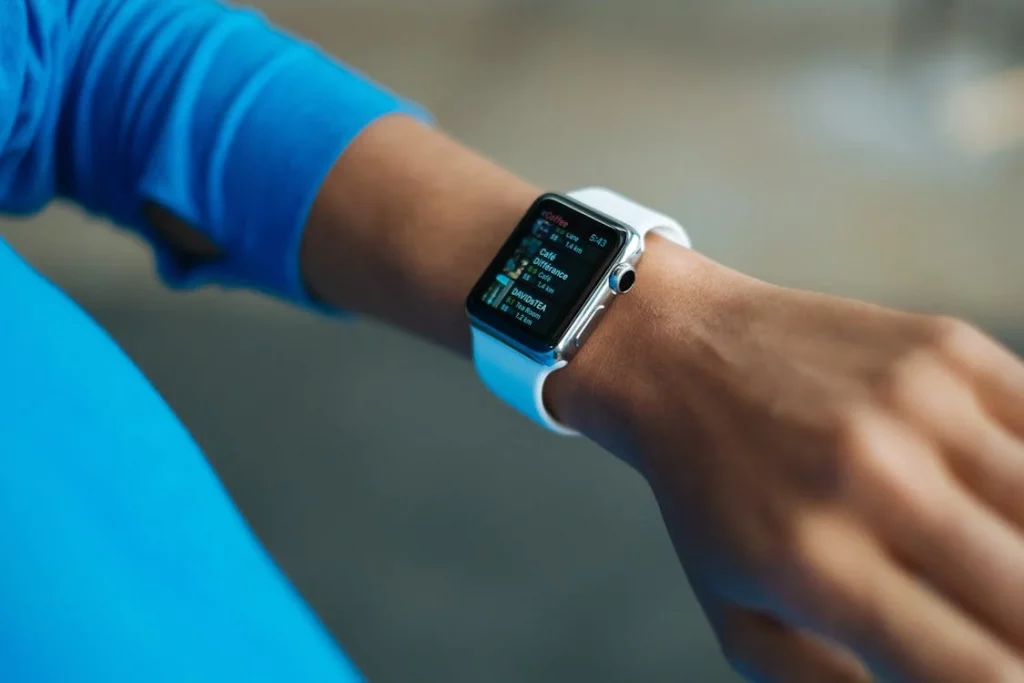
The rapid growth of wearable sensors is transforming how people monitor health, activity, and even their environment. From fitness trackers and smartwatches to advanced medical devices, these compact technologies collect and transmit valuable data in real time. Understanding the different types, how they work, and the advantages they offer is essential for anyone interested in the future of personal technology or product development.
For professionals working on electronics, considering the integration and performance of these components is crucial. If you want to learn more about optimizing your device’s design and ensuring reliable operation, the electronic product design performance testing guide provides practical insights.
What Are Wearable Sensors?
At their core, wearable sensors are compact electronic devices that detect and measure physical, chemical, or biological signals from the human body or surrounding environment. These sensors are embedded in accessories such as wristbands, patches, glasses, or clothing, enabling continuous data collection without interfering with daily activities.
The data gathered by these sensors is typically processed and transmitted to smartphones, computers, or cloud platforms for analysis. This real-time feedback can help users track their health, improve athletic performance, or even manage chronic conditions.
Key Types of Wearable Sensors
The variety of wearable sensor technologies continues to expand, each designed for specific applications. Here are some of the most common categories:
- Motion Sensors: These include accelerometers and gyroscopes, which measure movement, orientation, and rotation. They are widely used in fitness trackers to count steps, monitor activity levels, and detect falls.
- Physiological Sensors: Devices such as heart rate monitors, electrocardiogram (ECG) sensors, and pulse oximeters track vital signs. They are essential for both fitness and medical monitoring.
- Temperature Sensors: These sensors measure skin or body temperature, providing insights into health status or detecting fever.
- Electrochemical Sensors: Used to detect biomarkers in sweat, saliva, or interstitial fluid, these sensors can monitor glucose, hydration, or stress levels.
- Environmental Sensors: Some wearables include sensors to detect UV exposure, air quality, or ambient temperature, helping users stay aware of their surroundings.
How Wearable Sensor Technology Works
The operation of wearable sensors relies on a combination of miniaturized hardware and sophisticated software. Here’s a simplified overview of the process:
- Detection: The sensor detects a specific physical or chemical parameter, such as movement, heart rate, or sweat composition.
- Signal Conversion: The detected signal is converted into an electrical signal that can be processed by the device’s microcontroller.
- Data Processing: Embedded algorithms filter and analyze the raw data, extracting meaningful information.
- Transmission: The processed data is sent to a paired device (like a smartphone) via Bluetooth, Wi-Fi, or other wireless protocols.
- Feedback: Users receive real-time feedback through apps or device displays, allowing them to make informed decisions about their health or activity.
The integration of multiple sensors in a single device enables comprehensive monitoring. For example, a smartwatch may simultaneously track heart rate, steps, sleep patterns, and environmental factors.
Advantages of Using Wearable Sensor Devices
The adoption of wearable sensor technology offers a range of practical benefits for individuals, healthcare providers, and organizations:
- Continuous Monitoring: Unlike traditional medical tests, wearables provide ongoing data, allowing for early detection of anomalies or trends.
- Personalized Insights: Users can receive tailored recommendations based on their unique data, supporting healthier lifestyle choices.
- Remote Healthcare: Physicians can monitor patients outside the clinic, improving chronic disease management and reducing hospital visits.
- Enhanced Safety: Fall detection and emergency alerts can be life-saving, especially for older adults or those with medical conditions.
- Motivation and Engagement: Real-time feedback and goal tracking encourage users to stay active and engaged with their health.
Applications Across Industries
The use of wearable sensor systems extends well beyond fitness and personal health. Here are some notable applications:
- Healthcare: Continuous monitoring of heart rate, glucose, and other vital signs supports preventative care and chronic disease management.
- Sports and Fitness: Athletes and enthusiasts use wearables to optimize training, monitor recovery, and prevent injuries.
- Workplace Safety: In hazardous environments, sensors can detect fatigue, exposure to harmful substances, or dangerous conditions.
- Consumer Electronics: Smartwatches, augmented reality glasses, and smart clothing are integrating more advanced sensing capabilities.
- Research and Development: Scientists use wearable devices to collect large datasets for studies on human behavior, physiology, and environmental interactions.
For those involved in designing or sourcing electronic products, considering factors like electronic product design pcb material selection and integration is key to ensuring reliable sensor performance.
Challenges and Considerations in Wearable Sensor Design
While the benefits are clear, developing effective wearable sensor solutions involves addressing several challenges:
- Accuracy and Reliability: Ensuring consistent measurements in real-world conditions is critical, especially for medical applications.
- Battery Life: Balancing power consumption with continuous monitoring requires efficient hardware and software design.
- Comfort and Usability: Devices must be lightweight, non-intrusive, and comfortable for extended wear.
- Data Privacy: Protecting sensitive health and personal data is a top priority, requiring robust security measures.
- Integration: Seamless communication with other devices and platforms enhances user experience but adds complexity to development.
For a deeper dive into the full product lifecycle and cost implications of integrating these technologies, see the electronic product lifecycle cost analysis guide.
Future Trends in Wearable Sensor Technology
The evolution of wearable sensor systems is accelerating, driven by advances in materials science, miniaturization, and artificial intelligence. Some emerging trends include:
- Flexible and Stretchable Sensors: New materials allow sensors to conform to the body, improving comfort and expanding placement options.
- Multi-Modal Sensing: Devices are increasingly combining multiple sensing modalities for more comprehensive monitoring.
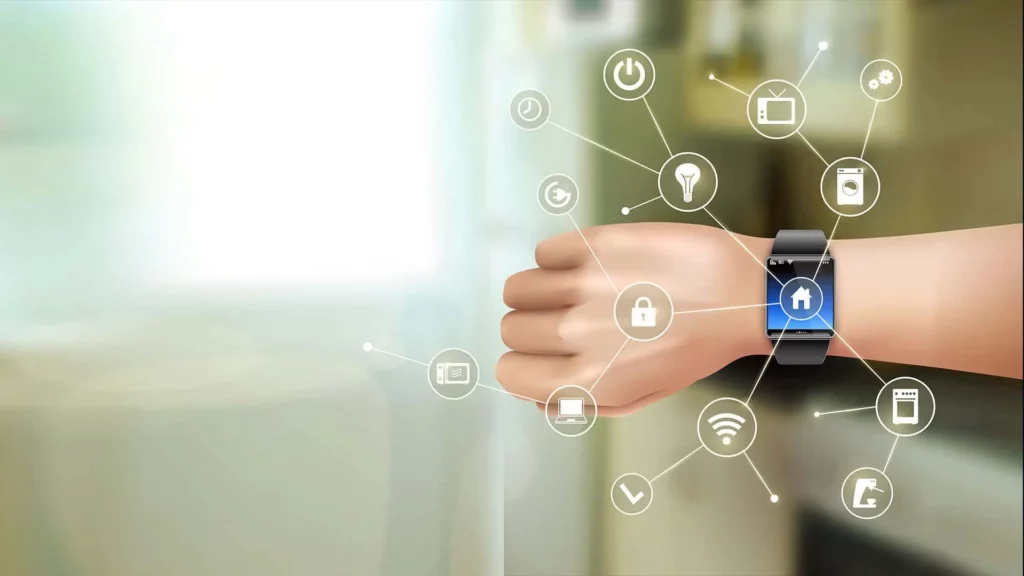
- Integration with IoT: Wearables are becoming key components of the Internet of Things, enabling smarter environments and personalized services.
- Advanced Data Analytics: Machine learning algorithms are being used to extract deeper insights from sensor data, supporting predictive health and early intervention.
For a broader overview of the technology landscape, this comprehensive guide to wearable technology provides additional context and examples.
FAQ: Common Questions About Wearable Sensor Devices
What are the most popular uses for wearable sensors today?
The most widespread applications include fitness tracking, heart rate monitoring, sleep analysis, and medical condition management. They are also used in workplace safety, sports performance, and environmental monitoring.
How accurate are wearable sensor measurements?
Accuracy varies by device and sensor type. Consumer-grade wearables are generally reliable for tracking trends and activity, while medical-grade devices undergo more rigorous testing to ensure precise measurements. Factors like sensor placement and user activity can affect results.
Are wearable sensor devices safe to use?
Most devices are designed with user safety in mind, using non-invasive sensors and hypoallergenic materials. However, users should follow manufacturer guidelines and consult healthcare professionals when using wearables for medical purposes.
