


Wearable devices have rapidly become part of daily life, from smartwatches and fitness trackers to advanced medical monitors and augmented reality glasses. As these technologies evolve, they bring significant benefits for health, productivity, and convenience. However, their widespread adoption also raises important ethical issues in wearable technology that impact individuals, organizations, and society as a whole.
Understanding these concerns is essential for consumers, developers, and policymakers. In this article, we’ll explore the most pressing ethical questions surrounding wearables, including privacy, data security, consent, bias, and the responsibilities of those who design and deploy these devices. For a deeper look at the technical side, you may also want to explore emerging wearable technologies and how they are shaping the future.
Privacy Concerns and Data Collection
One of the most significant ethical issues in wearable technology is the vast amount of personal data these devices collect. Wearables often track sensitive information such as heart rate, sleep patterns, location, and even emotional states. This data can be invaluable for health monitoring and lifestyle improvements, but it also creates risks if not handled responsibly.
Users may not always be aware of the full extent of data collection or how their information is used. Some devices transmit data to third parties, including app developers, advertisers, or insurance companies. Without clear consent and robust privacy policies, individuals could lose control over their personal information.

Security Risks and Data Protection
Beyond privacy, the security of data stored and transmitted by wearables is a critical concern. Devices that lack strong encryption or secure authentication can become targets for hackers, putting users at risk of identity theft or unauthorized surveillance. The consequences of a data breach can be especially severe when health or location data is involved.
Developers and manufacturers have a responsibility to implement best practices in cybersecurity, regularly update software, and educate users about potential threats. For more information on how wearables connect and communicate, see our guide on wearable connectivity explained.
Informed Consent and User Autonomy
Another ethical challenge is ensuring that users give informed consent before their data is collected or shared. Consent should be more than a checkbox in a long terms-of-service agreement; it requires clear, accessible explanations of what data is collected, how it will be used, and who will have access.
Wearable technology often collects data passively, making it easy for users to overlook or misunderstand what they are agreeing to. Developers must prioritize transparency and design interfaces that empower users to make informed choices about their privacy.
Bias, Fairness, and Accessibility
Wearable devices are not immune to bias. Algorithms that interpret biometric data may perform differently across populations, potentially leading to inaccurate health assessments or unequal access to benefits. For example, fitness trackers may be less accurate for people with darker skin tones or certain health conditions.
Addressing these issues requires inclusive design and rigorous testing across diverse user groups. For insights into designing with users in mind, explore our article on human centered design for wearables.
Workplace Surveillance and Social Implications
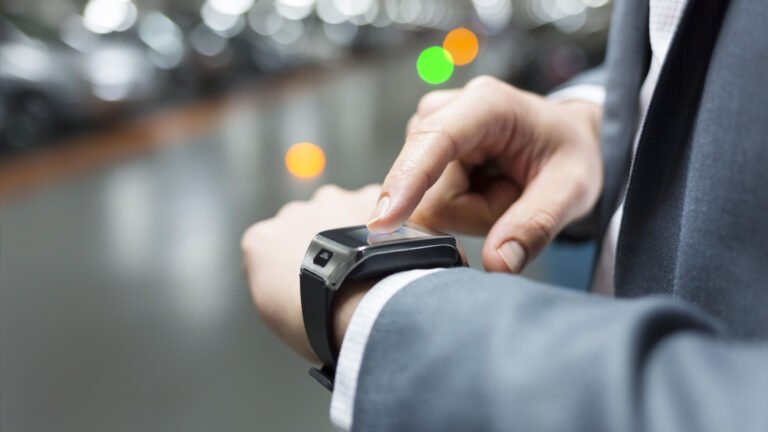
As wearables enter the workplace, new ethical dilemmas emerge. Employers may use these devices to monitor productivity, track movements, or assess employee health. While this can improve safety and efficiency, it also risks invading privacy and eroding trust between workers and management.
The social implications extend beyond the workplace. The normalization of constant monitoring can shift expectations about privacy in public and private spaces. This raises questions about consent, autonomy, and the right to disconnect.
Regulation and Industry Responsibility
Addressing the ethical issues in wearable technology requires a combination of regulation, industry standards, and public awareness. Governments are beginning to introduce laws that protect consumer data and set standards for transparency and security. However, the pace of technological change often outstrips regulation.
Industry groups and developers must take proactive steps to build trust, such as adopting privacy-by-design principles and conducting regular ethical reviews. For a broader perspective on how innovation is shaping this field, see this overview of wearable technology advancements.
Balancing Innovation and Ethics
The rapid growth of wearables offers tremendous potential for improving health, safety, and convenience. However, these benefits must be balanced against the risks to privacy, security, and social equity. By engaging with ethical questions early and often, stakeholders can help ensure that wearable technology develops in ways that respect individual rights and promote the common good.
Developers, users, and policymakers all have a role to play in shaping the future of wearables. Ongoing dialogue, transparency, and a commitment to ethical principles will be essential as new devices and applications continue to emerge.
Frequently Asked Questions
What are the main privacy risks with wearable devices?
The primary privacy risks include unauthorized data collection, sharing of sensitive health or location information without consent, and potential misuse by third parties. Wearables can collect detailed personal data, making robust privacy policies and user control essential.
How can users protect their data when using wearables?
Users should review privacy settings, understand what data is being collected, and choose devices from reputable manufacturers with strong security measures. Keeping software updated and being cautious about sharing data with third-party apps can also help reduce risks.
Are there regulations governing ethical practices in wearable technology?
Some regions have introduced data protection laws and standards for digital health devices, but regulations vary widely. Industry best practices, such as privacy-by-design and transparent consent processes, are important complements to legal requirements.
