

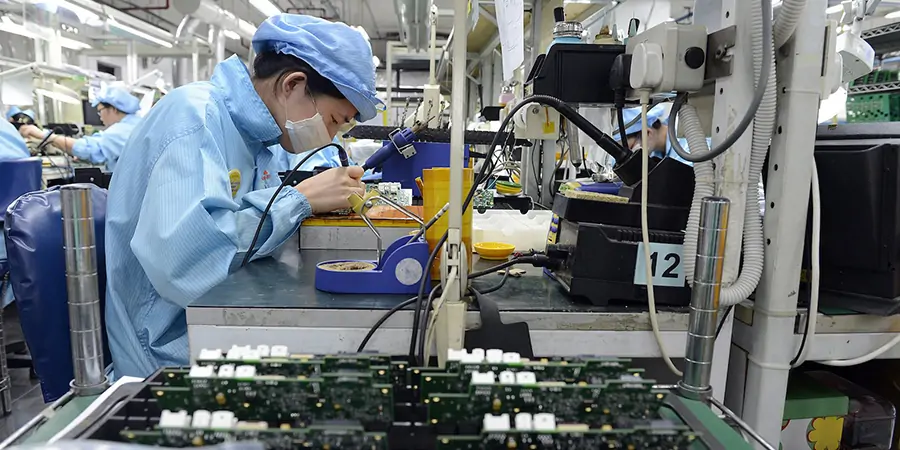
Printed circuit boards (PCBs) are the backbone of modern electronics, found in everything from smartphones to industrial machinery. As technology evolves and electronic waste increases, understanding how PCBs are recycled becomes essential for both environmental sustainability and resource recovery. This article explores the processes, challenges, and benefits of recycling these complex components, providing a comprehensive look at the journey from discarded electronics to valuable raw materials.
For those interested in the broader context of electronics manufacturing and design, the electronic product design PCB material selection guide offers valuable insights into choosing the right materials for performance and recyclability.
The Importance of PCB Recycling in Modern Electronics
The proliferation of electronic devices has led to a dramatic rise in electronic waste, or e-waste. PCBs, which contain a mixture of metals, plastics, and hazardous substances, represent a significant portion of this waste stream. Properly recycling these boards is crucial for several reasons:
- Resource Recovery: PCBs contain valuable metals such as gold, silver, copper, and palladium that can be reclaimed and reused in new products.
- Environmental Protection: Recycling prevents hazardous materials like lead and brominated flame retardants from contaminating soil and water.
- Waste Reduction: Diverting PCBs from landfills reduces the overall volume of e-waste and minimizes the need for new raw materials.
Key Steps in the PCB Recycling Process
The process of reclaiming materials from printed circuit boards involves several stages, each designed to maximize recovery while minimizing environmental impact. Here’s a closer look at the typical workflow:
Collection and Sorting of Electronic Waste
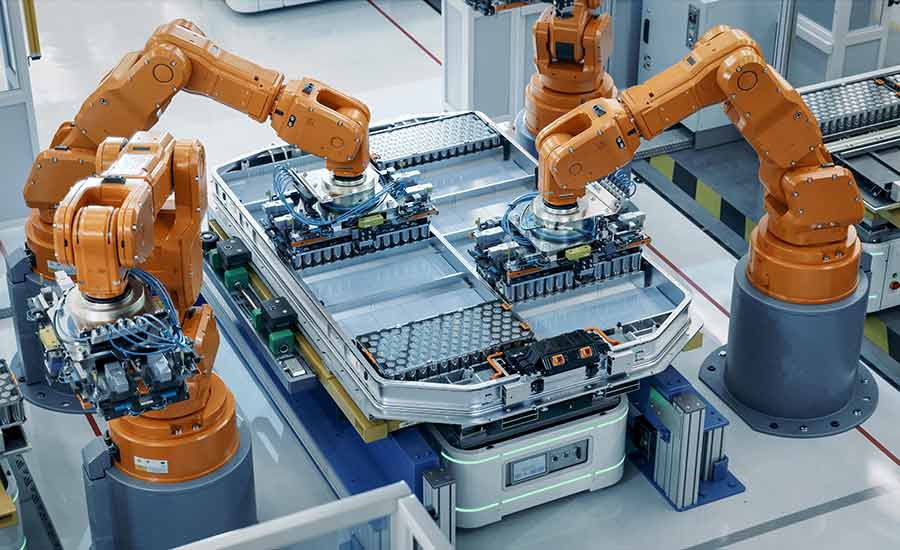
The recycling journey begins with the collection of discarded electronic devices from households, businesses, and industrial sources. These items are then sorted to separate PCBs from other components like batteries, plastics, and metals. Manual dismantling is often used to remove boards from devices, ensuring that hazardous materials are handled safely.
Preprocessing: Shredding and Size Reduction
Once separated, the boards are typically shredded into smaller pieces. This step increases the surface area and prepares the material for further processing. Shredding also helps to liberate the different layers and components embedded within the board.
Separation Techniques for Valuable Materials
After size reduction, various separation methods are employed to extract valuable metals and other materials:
- Magnetic Separation: Removes ferrous metals such as steel screws or brackets.
- Eddy Current Separation: Isolates non-ferrous metals like copper and aluminum.
- Gravity Separation: Utilizes differences in density to separate heavier metal particles from lighter plastics and resins.
- Electrostatic Separation: Further refines the separation of metals from non-metals using electrical charges.
Refining and Recovery of Metals
The extracted metal fractions undergo additional refining, often through chemical or thermal processes, to purify and recover precious and base metals. Hydrometallurgical techniques use chemical solutions to dissolve metals, while pyrometallurgical methods involve high-temperature smelting. Both approaches aim to maximize the yield of valuable elements while minimizing waste and emissions.
Environmental and Economic Benefits of PCB Material Recovery
Recovering metals and other materials from printed circuit boards offers significant advantages:
- Reduced Mining Demand: By reclaiming metals from e-waste, the need for environmentally damaging mining operations is lessened.
- Lower Carbon Footprint: Recycling typically requires less energy than extracting and processing virgin materials, resulting in fewer greenhouse gas emissions.
- Job Creation: The recycling industry supports skilled jobs in collection, processing, and research.
- Economic Value: Precious metals recovered from PCBs can be sold and reintegrated into the manufacturing supply chain, supporting a circular economy.
Challenges and Innovations in PCB Recycling Methods
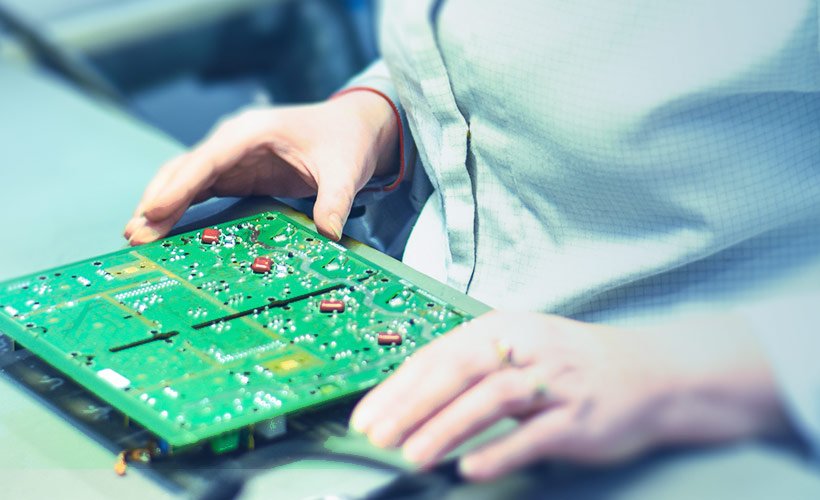
Despite the clear benefits, reclaiming materials from circuit boards is not without its challenges. The complex structure of PCBs—composed of multiple layers of metals, fiberglass, and resins—makes separation difficult. Hazardous substances, such as lead solder and flame retardants, require careful handling to avoid environmental contamination.
Innovations in recycling technology are addressing these obstacles. For example, advanced hydrometallurgical processes are being developed to selectively dissolve and recover metals with minimal chemical waste. Mechanical separation techniques are also improving, allowing for more efficient recovery of both metals and non-metal fractions.
For a detailed look at the broader electronic manufacturing process, including how recycling fits into the lifecycle, see this comprehensive overview of electronic manufacturing services.
Best Practices for Sustainable PCB Disposal and Recycling
To ensure that circuit boards are processed responsibly, consider the following best practices:
- Choose Certified Recyclers: Work with facilities that adhere to recognized environmental and safety standards.
- Proper Sorting: Separate PCBs from other e-waste to facilitate efficient processing.
- Data Security: Ensure that any data storage components are properly destroyed to protect sensitive information.
- Design for Recycling: Manufacturers can make future recycling easier by using fewer hazardous substances and designing boards for easier disassembly. For more on this, the electronic product design performance testing guide provides useful strategies.
FAQ About PCB Recycling
What materials can be recovered from circuit boards?
A variety of valuable materials can be reclaimed, including copper, gold, silver, palladium, and tin. Non-metallic components such as fiberglass and resins can sometimes be reused in construction materials or energy recovery.
Is it safe to recycle PCBs at home?
Recycling circuit boards at home is not recommended due to the presence of hazardous substances and the need for specialized equipment. Professional recycling facilities are equipped to handle these materials safely and efficiently.
How can manufacturers make PCBs easier to recycle?
Manufacturers can facilitate recycling by using fewer hazardous chemicals, designing boards for easy disassembly, and clearly labeling materials. These practices support a more sustainable electronics industry.
