


Printed circuit boards (PCBs) are the backbone of modern electronics, powering everything from smartphones to industrial machinery. Ensuring their reliability and safety is critical, especially as devices become more complex and expectations for performance rise. This is where PCB testing ISO standards explained becomes essential for manufacturers, engineers, and quality managers. Understanding these international guidelines helps organizations maintain high-quality production, reduce failures, and meet regulatory requirements.
In this guide, we’ll break down the most relevant ISO standards for PCB testing, how they impact quality control, and why compliance is crucial for electronics manufacturing. We’ll also explore practical testing methods, the benefits of adhering to these standards, and how they fit into a broader quality assurance strategy.
For those interested in broader component-level requirements, you may also find value in our resource on component testing ISO electronics standards, which covers related compliance topics for electronic assemblies.
Why International Standards Matter for PCB Quality
Adhering to international standards is not just about ticking boxes for compliance. These frameworks, especially those from the International Organization for Standardization (ISO), provide a common language and set of expectations for quality, safety, and reliability in electronics manufacturing. For PCBs, this means:
- Reducing the risk of defects and failures in the field
- Ensuring compatibility and interoperability with other components
- Meeting customer and regulatory requirements in global markets
- Streamlining audits and supplier evaluations
When companies follow recognized testing protocols, they demonstrate a commitment to quality that can set them apart in a competitive market.
Key ISO Standards for PCB Testing and Quality Control
Several ISO standards are directly or indirectly relevant to PCB testing. While not all are specific to printed circuit boards, they provide a framework for quality management, environmental considerations, and testing procedures. Here are some of the most important:
- ISO 9001: This is the cornerstone for quality management systems (QMS) across industries. For PCB manufacturers, ISO 9001 certification ensures processes are documented, controlled, and continuously improved.
- ISO 17025: Focused on laboratory competence, this standard is vital for facilities conducting PCB tests. It ensures that testing methods are valid, equipment is calibrated, and results are reliable.
- ISO 14001: While primarily about environmental management, this standard often intersects with PCB manufacturing, especially regarding hazardous materials and waste handling.
- IEC 61189: Though technically an IEC (International Electrotechnical Commission) standard, it is widely referenced in ISO-aligned quality systems for PCB test methods, including electrical and mechanical testing.
Understanding and applying these standards helps organizations maintain consistency, traceability, and accountability throughout the PCB production lifecycle.
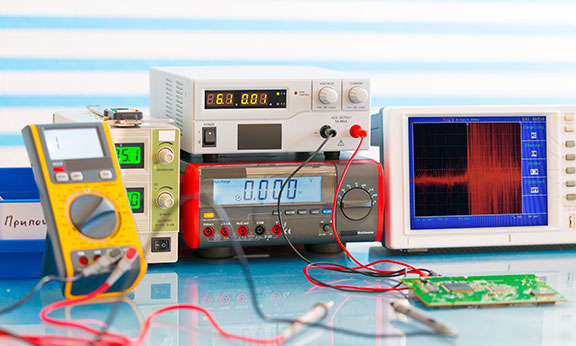
Common Testing Methods Aligned with ISO Guidelines
To comply with ISO-based requirements, manufacturers employ a range of testing methods throughout the PCB production process. These include:
- Visual Inspection: Detects surface defects, misalignments, and soldering issues. Often the first step in quality control.
- Electrical Testing: Includes continuity and isolation tests to ensure circuits are correctly connected and insulated.
- In-Circuit Testing (ICT): Checks the functionality of individual components on the assembled PCB.
- Functional Testing: Simulates real-world operating conditions to verify overall board performance.
- Environmental Stress Testing: Subjects boards to temperature, humidity, and vibration to assess durability.
These tests are typically documented and validated according to ISO 17025 and IEC 61189, ensuring repeatability and accuracy.
Integrating ISO-Based PCB Testing Into Quality Management Systems
A robust quality management system (QMS) is essential for ensuring that PCB testing meets international standards. ISO 9001 provides the framework for such a system, emphasizing process control, documentation, and continual improvement. Key steps include:
- Defining testing protocols and acceptance criteria based on ISO and IEC standards
- Training personnel in proper test procedures and recordkeeping
- Maintaining calibration and maintenance schedules for test equipment
- Documenting results and implementing corrective actions for non-conformities
By integrating these practices, organizations can consistently deliver reliable PCBs and demonstrate compliance during audits or customer reviews.

Benefits of Following International Testing Protocols
Complying with recognized standards for PCB evaluation brings several advantages:
- Risk Reduction: Early detection of defects minimizes costly recalls and field failures.
- Market Access: Many customers and regulatory bodies require ISO-compliant products, especially in automotive, medical, and aerospace sectors.
- Process Improvement: Standardized testing highlights opportunities for process optimization and waste reduction.
- Customer Confidence: Certification and adherence to international standards enhance trust and credibility.
For a deeper dive into the value of certification, see this overview of why electronic manufacturers should be ISO certified.
Challenges and Best Practices in ISO-Compliant PCB Testing
While the benefits are clear, implementing ISO-compliant testing can present challenges. These include keeping up with evolving standards, ensuring staff are properly trained, and maintaining documentation. Best practices to address these challenges include:
- Regularly reviewing and updating testing procedures to align with the latest standards
- Investing in ongoing training and certification for quality control personnel
- Leveraging digital tools for documentation, traceability, and data analysis
- Engaging with industry groups and certification bodies for updates and support
For organizations seeking to expand their quality assurance toolkit, exploring related topics such as electronics performance validation ISO testing or reliability verification electronics ISO methods can provide additional insights.
Frequently Asked Questions
What are the most important ISO standards for PCB testing?
The most relevant standards include ISO 9001 for quality management, ISO 17025 for laboratory competence, and IEC 61189 for specific PCB test methods. These frameworks ensure that testing is systematic, reliable, and globally recognized.
How does ISO compliance improve PCB reliability?
By following internationally accepted procedures and documentation practices, manufacturers can identify and address defects early, ensure consistent quality, and reduce the likelihood of failures in the field.
Is ISO certification mandatory for PCB manufacturers?
While not always legally required, ISO certification is often expected by customers and regulators in industries like automotive, aerospace, and medical devices. It demonstrates a commitment to quality and can open doors to new markets.
Conclusion
Understanding and implementing PCB testing ISO standards explained is essential for any organization involved in electronics manufacturing. By aligning with these international frameworks, companies can ensure product quality, reduce risk, and meet the demands of a global marketplace. As standards evolve, staying informed and proactive will remain key to maintaining a competitive edge and delivering reliable, high-performance PCBs.
