

Adhering to international standards is essential for semiconductor manufacturers aiming to deliver reliable, high-quality products and maintain a competitive edge. Navigating the complexities of ISO compliance in semiconductor testing requires a clear understanding of relevant standards, robust quality management, and effective implementation of testing protocols. This semiconductor testing ISO compliance guide provides manufacturers with practical insights into meeting ISO requirements, optimizing processes, and ensuring product reliability throughout the supply chain.
For those seeking a deeper dive into related topics, the article on quality assurance reliability electronics ISO explores best practices for maintaining consistent standards across electronic manufacturing operations.

Understanding ISO Standards in Semiconductor Testing
International Organization for Standardization (ISO) standards provide a framework for quality, safety, and reliability in manufacturing. In the context of semiconductor testing, several ISO standards are particularly relevant:
- ISO 9001: Focuses on quality management systems (QMS), ensuring consistent processes and continual improvement.
- ISO/IEC 17025: Specifies requirements for the competence of testing and calibration laboratories, crucial for accurate semiconductor evaluation.
- ISO 26262: Addresses functional safety for automotive electronics, increasingly important as semiconductors power advanced vehicle systems.
These standards help manufacturers establish repeatable, auditable processes and demonstrate their commitment to quality and safety for customers and regulators alike.
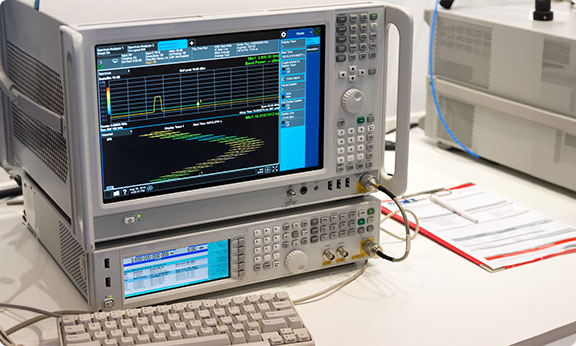
Key Requirements for Achieving ISO Compliance in Semiconductor Testing
Meeting ISO standards in semiconductor testing involves more than just technical accuracy. Manufacturers must implement comprehensive systems and documentation to ensure ongoing compliance. The following elements are fundamental:
- Documented Procedures: All testing protocols, calibration methods, and maintenance schedules must be clearly documented and regularly reviewed.
- Traceability: Every test result should be traceable to specific equipment, operators, and calibration records, supporting transparency and accountability.
- Personnel Competence: Staff involved in testing must be trained and qualified, with records maintained to demonstrate ongoing competence.
- Equipment Calibration: Testing instruments require regular calibration and maintenance, with records kept for audit purposes.
- Corrective Actions: Nonconformities must be addressed promptly, with root cause analysis and preventive measures documented.
By focusing on these areas, manufacturers can build a robust foundation for ISO compliance and reduce the risk of costly errors or product recalls.
Best Practices for Implementing a Semiconductor Testing ISO Compliance Guide
Establishing a successful compliance program requires a systematic approach. Here are some best practices for integrating ISO requirements into semiconductor testing operations:
- Gap Analysis: Assess current processes against relevant ISO standards to identify areas needing improvement.
- Process Standardization: Develop standardized work instructions and checklists for all testing activities to ensure consistency.
- Internal Audits: Conduct regular internal audits to verify adherence to procedures and identify opportunities for enhancement.
- Continuous Training: Provide ongoing education for staff to keep up with evolving standards and technologies.
- Supplier Management: Ensure that suppliers and subcontractors also comply with ISO requirements, as their performance impacts overall product quality.
Implementing these practices not only supports compliance but also drives operational efficiency and customer satisfaction.

Common Challenges in ISO Compliance for Semiconductor Testing
While the benefits of ISO compliance are clear, manufacturers often encounter several challenges:
- Complexity of Standards: Navigating multiple, sometimes overlapping, ISO standards can be daunting, especially for organizations with diverse product lines.
- Resource Constraints: Implementing and maintaining compliance programs requires investment in training, documentation, and equipment.
- Rapid Technological Change: The fast pace of semiconductor innovation can outstrip the ability of standards and processes to keep up, requiring frequent updates and reviews.
- Global Supply Chains: Ensuring that all partners and suppliers meet ISO requirements adds another layer of complexity.
Addressing these challenges requires a proactive approach, leveraging technology, and fostering a culture of quality throughout the organization.
Benefits of Following a Semiconductor Testing ISO Compliance Guide
Adopting a structured approach to ISO compliance in semiconductor testing offers significant advantages:
- Enhanced Product Reliability: Rigorous testing and documentation reduce the risk of defects and failures in the field.
- Market Access: Many customers and markets require ISO certification as a prerequisite for doing business.
- Reduced Liability: Demonstrating compliance can help protect manufacturers from legal and regulatory risks.
- Continuous Improvement: Regular audits and reviews drive ongoing process enhancements and innovation.
For more on how testing and compliance contribute to robust electronics, see the article on product robustness testing ISO guide.
Integrating ISO Compliance with Other Quality Initiatives
ISO compliance should not be viewed in isolation. Integrating it with broader quality assurance and reliability programs creates a cohesive system that supports business goals. For instance, combining ISO-based testing protocols with reliability verification electronics ISO methods ensures products meet both regulatory and customer expectations.
Additionally, leveraging stress screening and performance validation approaches, as discussed in stress screening electronics ISO standards and electronics performance validation ISO testing, can further strengthen compliance and product quality.
Certification Process and External Resources
Achieving ISO certification for semiconductor testing involves several steps:
- Conduct a gap analysis and implement necessary process improvements.
- Document all procedures, controls, and records as required by the relevant ISO standard.
- Train staff and ensure ongoing competence.
- Engage an accredited certification body to perform an external audit.
- Address any nonconformities and maintain compliance through regular reviews and updates.
For a comprehensive overview of certification steps and industry-specific considerations, refer to this ISO certification guide for the electronics industry.
FAQ: Semiconductor Testing and ISO Compliance
What are the most important ISO standards for semiconductor testing?
The most critical standards include ISO 9001 for quality management, ISO/IEC 17025 for laboratory competence, and ISO 26262 for automotive electronics safety. Depending on the application, other standards may also apply.
How often should testing equipment be calibrated to maintain ISO compliance?
Calibration frequency depends on manufacturer recommendations, usage intensity, and regulatory requirements. However, regular calibration—at least annually—is essential for maintaining traceability and accuracy in test results.
Can small manufacturers achieve ISO compliance without a dedicated quality team?
Yes, small organizations can achieve compliance by leveraging standardized procedures, regular training, and external consulting if needed. The key is maintaining thorough documentation and a commitment to continuous improvement.
