

The reliability and safety of electronic products depend heavily on rigorous mechanical testing and strict adherence to international standards. As technology advances, ensuring that devices can withstand various physical stresses—such as vibration, shock, and temperature fluctuations—has become essential. Mechanical testing electronics ISO standards provide a globally recognized framework for evaluating product durability, performance, and safety. These protocols help manufacturers demonstrate compliance, reduce liability, and build trust with customers and regulatory bodies.
Understanding the importance of these standards and the methods used for safety testing is crucial for anyone involved in electronics design, manufacturing, or quality assurance. This article explores the key aspects of mechanical testing for electronics, the relevant ISO guidelines, and best practices for maintaining product integrity throughout the development lifecycle.

For those interested in related environmental and ingress protection assessments, our detailed guide on IP rating testing ISO standards explained covers dust and water resistance preparation in depth.
Why Mechanical Testing Matters in Electronics Manufacturing
Mechanical testing is a cornerstone of quality assurance in electronics. It involves subjecting products to controlled physical forces to simulate real-world conditions. These tests help identify weaknesses in materials, design flaws, or assembly issues before products reach consumers. By following mechanical testing electronics ISO standards, manufacturers can ensure their devices will perform reliably throughout their intended lifespan.
Some of the most common mechanical stresses tested in electronics include:
- Vibration – Simulates transportation and operational environments.
- Shock – Assesses resistance to sudden impacts or drops.
- Compression – Evaluates structural integrity under pressure.
- Flexing and Bending – Tests durability of cables, connectors, and circuit boards.
- Thermal Cycling – Examines performance under rapid temperature changes.
These evaluations are vital for products used in automotive, aerospace, industrial, and consumer electronics, where failure can lead to costly recalls or safety hazards.
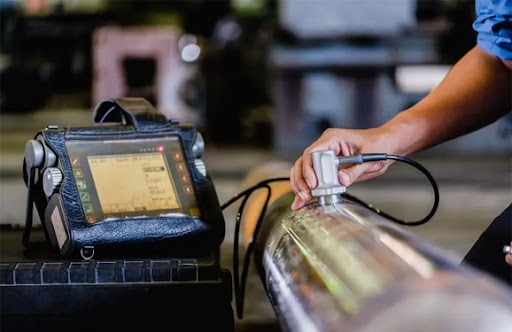
Key ISO Standards for Mechanical Testing in Electronics
The International Organization for Standardization (ISO) has developed a comprehensive set of standards that guide mechanical testing in the electronics sector. Adhering to these protocols ensures uniformity, repeatability, and global acceptance of test results. Some of the most relevant ISO standards include:
- ISO 16750 – Outlines environmental conditions and testing for electrical and electronic equipment in road vehicles, including vibration, shock, and temperature cycling.
- ISO 60068 – Provides a series of methods for environmental testing, covering mechanical stress, temperature, humidity, and more.
- ISO 26262 – Focuses on functional safety for automotive electronics, including mechanical robustness requirements.
- ISO 14001 – While primarily an environmental management standard, it also impacts electronics manufacturing processes and testing protocols. For more on this, see how ISO 14001 experience benefits electronics manufacturers.
These standards not only define test procedures but also specify pass/fail criteria, documentation requirements, and reporting formats. Compliance demonstrates a commitment to quality and can be a key differentiator in competitive markets.
Common Mechanical Testing Methods and Equipment
Mechanical testing in electronics employs a variety of specialized equipment and protocols. The choice of method depends on the product type, intended use, and applicable standards. Some widely used approaches include:
- Vibration Testing: Devices are mounted on vibration tables that simulate frequencies and amplitudes experienced during shipping or operation. This helps identify potential failures in solder joints, connectors, and enclosures. For a deeper dive, see our vibration testing electronics ISO guide.
- Drop and Shock Testing: Products are dropped from specified heights or subjected to sudden impacts to evaluate their ability to withstand accidental drops or collisions.
- Compression and Bend Testing: These tests assess the mechanical strength of casings, PCBs, and other components under pressure or flexing.
- Thermal Cycling: Devices are exposed to alternating high and low temperatures to assess their performance under thermal stress. Learn more about this in our article on temperature testing electronics ISO standards.
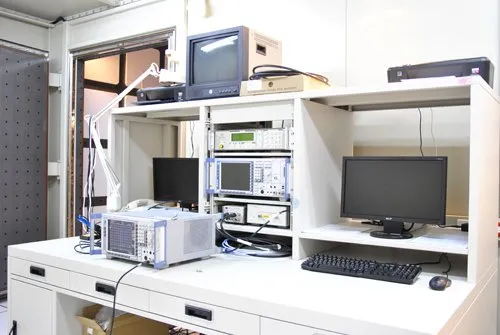
Advanced test labs use programmable chambers, high-speed cameras, and data acquisition systems to capture detailed performance data during these tests.
Safety Methods and Best Practices in Mechanical Testing
Safety is paramount during mechanical testing, both for the personnel conducting the tests and the integrity of the products. Following established safety protocols minimizes risks and ensures accurate results. Key best practices include:
- Proper Equipment Calibration: Regular calibration of test machinery ensures measurements are accurate and repeatable.
- Personal Protective Equipment (PPE): Operators should wear appropriate PPE, such as safety glasses and gloves, especially during high-force or destructive tests.
- Clear Documentation: Detailed records of test conditions, procedures, and outcomes are essential for traceability and compliance audits.
- Fail-Safe Test Setups: Using guards, shields, and remote controls can protect operators from potential hazards during testing.
- Environmental Controls: Maintaining consistent temperature, humidity, and cleanliness in the test area prevents external factors from skewing results.
Adhering to these safety measures not only protects staff but also ensures that test results are valid and can be confidently used to certify product quality.
Integrating Mechanical Testing with Other Environmental Assessments
Mechanical testing is often performed alongside other environmental evaluations to provide a comprehensive picture of product durability. For example, combining mechanical stress tests with humidity and temperature assessments can reveal vulnerabilities that might not be apparent in isolated tests. Our guide on humidity testing electronics ISO methods offers more insight into how moisture exposure can affect electronic components.
Additionally, environmental stress testing protocols—such as those outlined in the environmental stress testing electronics ISO guide—help ensure that devices can withstand a range of real-world conditions, from transportation to end-user environments.
Benefits of Adhering to ISO Guidelines in Mechanical Testing
Following mechanical testing electronics ISO standards brings several advantages for manufacturers and end-users alike:
- Global Market Access: Products tested to ISO standards are more readily accepted in international markets, reducing barriers to entry.
- Reduced Product Failures: Early detection of design or manufacturing flaws leads to fewer recalls and warranty claims.
- Enhanced Brand Reputation: Demonstrating compliance with recognized standards builds trust with customers and partners.
- Regulatory Compliance: Many regions require proof of ISO-compliant testing for certain product categories.
- Continuous Improvement: Regular testing and documentation support ongoing product development and quality initiatives.
Ultimately, integrating these standards into the product development process leads to safer, more reliable electronics that meet the needs of today’s demanding applications.
Frequently Asked Questions
What are the most important ISO standards for mechanical testing in electronics?
Some of the most critical guidelines include ISO 16750 for automotive electronics, ISO 60068 for environmental and mechanical testing, and ISO 26262 for functional safety. These standards cover a wide range of tests, from vibration and shock to temperature cycling and humidity exposure.
How does mechanical testing improve product safety and reliability?
By simulating real-world stresses, mechanical testing helps identify design or manufacturing weaknesses before products reach consumers. This proactive approach reduces the risk of field failures, recalls, and safety incidents, ensuring that devices perform as intended throughout their lifecycle.
Is ISO certification mandatory for electronics manufacturers?
While not always legally required, ISO certification is often necessary to access certain markets or meet customer requirements. Adhering to these standards demonstrates a commitment to quality and can provide a competitive advantage in the global electronics industry.
