

Ensuring the reliability and safety of electronic devices requires rigorous environmental assessments, with temperature testing electronics ISO standards playing a central role. These internationally recognized guidelines define how electronic products are evaluated for performance under varying thermal conditions. Adhering to these protocols helps manufacturers demonstrate compliance, improve product quality, and minimize the risk of failure in real-world applications.
For organizations seeking to understand the essentials of temperature evaluation, it’s important to explore not only the specific ISO requirements but also the procedures, equipment, and documentation involved. This article covers the fundamentals, including why these standards matter, how tests are conducted, and what companies must consider for successful certification.

Understanding how temperature impacts electronic performance is just one aspect of compliance. For a broader perspective on regulatory requirements, the ISO compliance for electromagnetic testing guide offers valuable insights into related standards and best practices.
Why Temperature Testing Matters in Electronics Manufacturing
Electronic components and assemblies are often exposed to a wide range of thermal environments during their lifecycle. From consumer gadgets to industrial control systems, temperature fluctuations can affect circuit stability, material properties, and overall device longevity. By following ISO-based temperature testing protocols, manufacturers can:
- Identify potential failure points before products reach the market
- Ensure devices operate safely and reliably under expected conditions
- Meet regulatory and customer requirements for global distribution
- Reduce warranty claims and costly recalls
Overview of Key ISO Standards for Temperature Testing
Several ISO standards address environmental testing for electronics, with a focus on temperature extremes, cycling, and humidity. The most widely referenced include:
- ISO 16750-4: Specifies environmental conditions and testing for electrical and electronic equipment in road vehicles, including temperature cycling and storage.
- ISO 60068 Series: A comprehensive set of standards for environmental testing, covering methods for temperature, humidity, vibration, and more. ISO 60068-2-1 (cold), ISO 60068-2-2 (dry heat), and ISO 60068-2-14 (temperature change) are particularly relevant.
- IEC 60068 (often harmonized with ISO): Internationally recognized for environmental testing of electronic products, including thermal shock and endurance assessments.
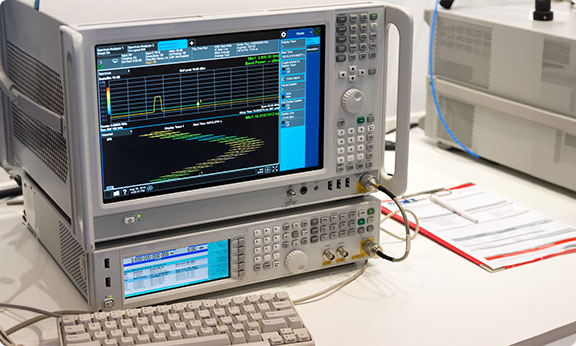
These standards define not only the temperature ranges and durations but also the test setups, sample sizes, and acceptance criteria. Manufacturers must select the appropriate protocols based on product type, intended application, and target markets.
Common Procedures for ISO-Compliant Temperature Testing
Conducting temperature evaluations according to ISO guidelines for electronics involves several key steps. Below is a typical workflow:
- Sample Preparation: Devices are cleaned, labeled, and conditioned as specified by the relevant ISO document.
- Test Chamber Setup: Samples are placed in a calibrated environmental chamber capable of achieving the required temperature range and ramp rates.
- Exposure: The test profile may include steady-state exposure (constant high or low temperature), cycling between extremes, or rapid thermal shock transitions.
- Monitoring: Electrical parameters, physical changes, and functional performance are monitored throughout the test. Data is logged for analysis.
- Post-Test Evaluation: After exposure, devices are inspected for visible damage, measured for drift in electrical characteristics, and functionally tested to verify compliance with acceptance criteria.
- Documentation: Results are recorded in detailed reports, including test conditions, methods, observations, and conclusions.
Following these procedures ensures consistency, repeatability, and traceability—key requirements for ISO certification and customer audits.
Equipment Used in Temperature Testing for Electronics
Reliable and accurate testing depends on the right equipment. The main tools for ISO-compliant thermal assessments include:
- Environmental Chambers: Programmable units that control temperature and humidity with high precision.
- Thermocouples and Sensors: Devices for real-time monitoring of sample and chamber temperatures.
- Data Acquisition Systems: Hardware and software for logging temperature, voltage, current, and other critical parameters.
- Functional Testers: Instruments to verify device operation during and after thermal exposure.
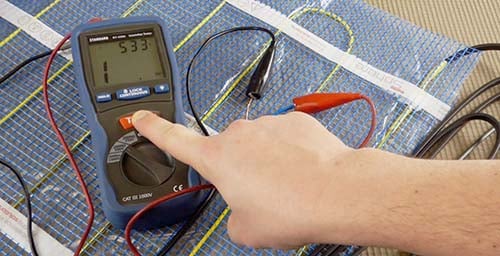
Routine calibration of all equipment is essential to maintain accuracy and meet the stringent requirements of temperature testing electronics ISO standards.
Documentation and Reporting Requirements
Comprehensive documentation is a cornerstone of ISO compliance. Reports typically include:
- Test objectives and reference standards
- Detailed descriptions of samples and setups
- Environmental chamber settings and calibration records
- Step-by-step procedures and deviations (if any)
- Raw data, analysis, and graphical results
- Conclusions and recommendations for corrective actions
These records not only support regulatory submissions but also provide valuable feedback for product development and quality assurance teams.
Integrating Temperature Testing with Other Compliance Efforts
Thermal assessments are often conducted alongside other environmental and electromagnetic evaluations. For example, understanding the EMC testing process explained can help manufacturers streamline their overall compliance strategy. Combining multiple tests reduces time-to-market and ensures a holistic approach to product validation.
Additionally, aligning with ISO certification requirements for the electronics industry provides a competitive advantage, opening doors to new markets and building customer trust.
Challenges and Best Practices in ISO-Based Temperature Testing
While the benefits of adhering to international standards are clear, several challenges can arise:
- Complex Test Profiles: Some products require custom temperature cycles or combined stress testing, increasing complexity.
- Interpretation of Standards: ISO documents can be open to interpretation, so consulting with experienced testing labs or certification bodies is recommended.
- Resource Constraints: High-quality chambers and instrumentation represent a significant investment, especially for small manufacturers.
To overcome these hurdles, organizations should:
- Engage with accredited testing partners familiar with temperature testing electronics ISO standards
- Train staff on the latest procedures and documentation requirements
- Maintain up-to-date calibration and maintenance records for all equipment
- Regularly review and update internal procedures to reflect changes in ISO guidelines
FAQ: Temperature Testing and ISO Standards for Electronics
What are the most common ISO standards for temperature testing in electronics?
The most frequently used standards include ISO 16750-4 for automotive electronics, the ISO 60068 series for general environmental testing, and IEC 60068 for international harmonization. These documents specify test conditions, procedures, and acceptance criteria for evaluating electronic devices under thermal stress.
How do manufacturers select the right temperature test for their products?
Selection depends on the product’s intended application, expected operating environment, and customer or regulatory requirements. Manufacturers should review the relevant ISO documentation and, if needed, consult with testing laboratories to determine the appropriate test profiles and parameters.
Why is documentation so important in ISO-compliant temperature testing?
Accurate and detailed records are essential for demonstrating compliance, supporting regulatory submissions, and enabling traceability. Documentation also helps identify trends, improve product design, and provide evidence in the event of disputes or audits.
Conclusion
Adhering to temperature testing electronics ISO standards is essential for ensuring product reliability, safety, and market acceptance. By following established protocols, using calibrated equipment, and maintaining thorough documentation, manufacturers can confidently demonstrate compliance and deliver high-quality electronic devices. Integrating these practices with broader environmental and electromagnetic testing efforts further strengthens a company’s position in the competitive global marketplace.
