

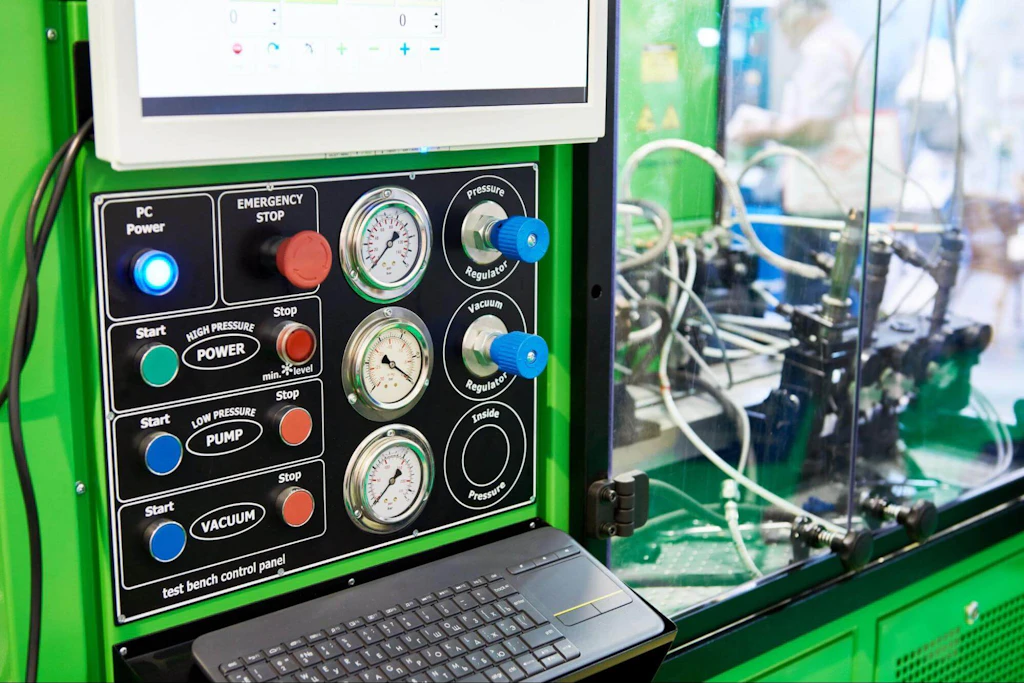
As electronics become more integral to daily life and industry, ensuring their reliability and durability is critical. Environmental testing for electronics ISO standards play a vital role in verifying that devices can withstand the challenging conditions they may encounter during use, storage, or transport. Manufacturers, engineers, and quality managers rely on these international benchmarks to guide product development, compliance, and market acceptance.
Understanding the core ISO requirements and how they shape environmental testing is essential for anyone involved in electronics manufacturing or quality assurance. This article explores the main ISO frameworks, types of environmental tests, and practical steps for compliance, helping you navigate the complexities of global standards.
For a deeper dive into related requirements, see our detailed overview of reliability testing electronics ISO requirements, which covers protocols and best practices for robust product validation.
Why ISO Standards Matter in Environmental Testing
International Organization for Standardization (ISO) standards provide a globally recognized framework for quality and safety in electronics. By adhering to these guidelines, manufacturers demonstrate their commitment to producing reliable products that meet customer and regulatory expectations.
Environmental testing for electronics ISO standards ensures that devices can operate safely under various environmental stresses, such as temperature fluctuations, humidity, vibration, and exposure to contaminants. Compliance is often a prerequisite for market entry, especially in sectors like automotive, aerospace, medical devices, and consumer electronics.
Core ISO Standards for Environmental Testing of Electronics
Several ISO standards directly address environmental testing for electronic components and systems. Understanding their scope and application is crucial for compliance and product development.
- ISO 9001: Focuses on quality management systems, ensuring consistent processes and continual improvement. While not specific to environmental testing, it underpins all quality-related activities in electronics manufacturing.
- ISO 17025: Specifies general requirements for the competence of testing and calibration laboratories. Accreditation to this standard is often required for labs conducting environmental tests on electronics.
- ISO 14001: Addresses environmental management systems, guiding organizations in minimizing their environmental impact throughout the product lifecycle.
- ISO 16750: Provides guidelines for environmental conditions and testing for electrical and electronic equipment in road vehicles, covering temperature, vibration, humidity, and chemical exposure.
- ISO 60068: A comprehensive series detailing environmental testing methods for electronic equipment, including temperature, humidity, vibration, shock, and more.
For a practical look at how these certifications impact electronics manufacturing, read this analysis of ISO 9001 and ISO 13485 certifications in electronics manufacturing.
Common Environmental Tests and Their Importance
Environmental testing covers a wide range of simulated conditions to assess the durability and performance of electronic products. Below are some of the most common types of tests guided by ISO standards:
- Temperature and Humidity Cycling: Evaluates how devices respond to rapid changes in temperature and moisture, which can cause condensation, corrosion, or material fatigue.
- Vibration and Shock Testing: Simulates transportation or operational vibrations and impacts to ensure components remain intact and functional.
- Salt Spray and Corrosion Testing: Assesses resistance to corrosive environments, critical for marine, automotive, and outdoor electronics.
- Dust and Water Ingress (IP Testing): Determines the level of protection against solid particles and liquids, often referenced by Ingress Protection (IP) ratings.
- Altitude and Pressure Testing: Ensures performance at different atmospheric pressures, important for aerospace and high-altitude applications.
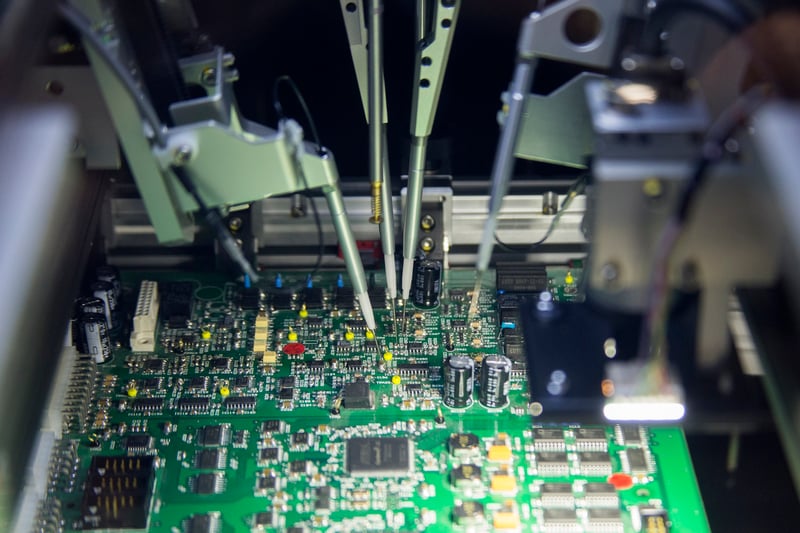
Integrating ISO Requirements into Electronics Testing Programs
To effectively implement environmental testing for electronics ISO standards, organizations should establish clear procedures, documentation, and quality controls. Key steps include:
- Identify Relevant Standards: Determine which ISO frameworks apply based on product type, industry, and target markets.
- Develop Test Plans: Create detailed protocols that align with ISO methods, specifying test conditions, durations, and acceptance criteria.
- Use Accredited Laboratories: Partner with labs certified to ISO 17025 to ensure credible and traceable results.
- Maintain Documentation: Keep thorough records of test procedures, results, and corrective actions to support compliance and audits.
- Continuous Improvement: Regularly review and update testing programs to reflect changes in standards and emerging risks.
For more on documentation best practices, see our article on ISO documentation requirements electronics testing.
Benefits of Adhering to ISO Environmental Testing Standards
Complying with international standards for environmental testing brings several advantages:
- Market Access: Many industries and regions require ISO-compliant testing for regulatory approval and product certification.
- Reduced Risk: Early identification of weaknesses helps prevent costly field failures and recalls.
- Customer Confidence: Demonstrates a commitment to quality and reliability, enhancing brand reputation.
- Operational Efficiency: Standardized processes streamline testing and reduce duplication of effort.
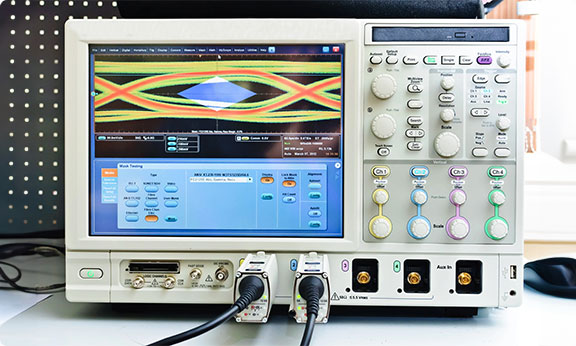
Challenges and Solutions in Meeting ISO Environmental Testing Criteria
While the benefits of following environmental testing for electronics ISO standards are clear, organizations may face several challenges:
- Complexity of Standards: Navigating multiple ISO documents can be daunting. Solution: Work with experienced compliance consultants or internal experts.
- Resource Constraints: Testing can require specialized equipment and skilled personnel. Solution: Outsource to accredited labs or invest in staff training.
- Keeping Up with Updates: ISO standards evolve over time. Solution: Subscribe to updates from ISO or industry associations and regularly review internal procedures.
For organizations seeking formal recognition, our ISO testing laboratory accreditation guide outlines requirements and steps for achieving accreditation.
Best Practices for Electronics Manufacturers
To maximize the value of environmental testing and ensure ongoing compliance:
- Engage cross-functional teams—including design, quality, and manufacturing—early in the product development process.
- Benchmark against competitors and industry leaders to identify gaps and opportunities.
- Leverage digital tools for data collection, analysis, and reporting to improve traceability and decision-making.
- Foster a culture of quality and continuous improvement throughout the organization.
Discover how certification can add value to your business in our feature on ISO certification benefits for electronics manufacturers.
FAQ: Environmental Testing and ISO Standards for Electronics
What is the purpose of environmental testing in electronics?
Environmental testing evaluates how electronic products perform under various physical and climatic conditions. The goal is to ensure devices remain reliable, safe, and functional throughout their intended lifecycle, even when exposed to temperature extremes, moisture, vibration, or contaminants.
Which ISO standards are most relevant for electronics environmental testing?
Key standards include ISO 9001 for quality management, ISO 17025 for laboratory competence, ISO 14001 for environmental management, and the ISO 60068 series for specific testing methods. Industry-specific standards like ISO 16750 are also important for sectors such as automotive electronics.
How can manufacturers ensure compliance with ISO environmental testing requirements?
Manufacturers should identify applicable standards, develop test plans aligned with ISO methods, use accredited laboratories, maintain thorough documentation, and regularly review their processes. Staying informed about updates and investing in staff training are also essential for ongoing compliance.
