

Ensuring the reliability and safety of electronic products is essential for manufacturers, testing laboratories, and end users. Adhering to electronics performance testing ISO guidelines not only helps organizations meet regulatory requirements but also builds trust in the marketplace. These internationally recognized standards provide a framework for consistent, accurate, and repeatable testing processes, reducing the risk of product failures and recalls.
For companies operating in the electronics sector, understanding and applying ISO standards is a critical step toward global market access. Whether you are preparing for certification, aiming to improve your laboratory’s processes, or seeking to understand the latest best practices, this guide offers a comprehensive overview of the key considerations and actionable steps for compliance.

To further streamline your compliance journey, you may find the ISO compliance checklist electronics testing resource helpful for organizing your documentation and audit preparation.
Understanding ISO Standards for Electronics Testing
International Organization for Standardization (ISO) standards are developed to harmonize testing procedures and quality management across industries. In the context of electronics, several ISO guidelines are particularly relevant:
- ISO/IEC 17025: Specifies general requirements for the competence of testing and calibration laboratories.
- ISO 9001: Focuses on quality management systems, ensuring consistent product and service quality.
- ISO/IEC 17020: Applies to bodies performing inspection, including those in electronics testing.
- Product-specific standards: Such as ISO 7637 for automotive electronics or ISO 60601 for medical electrical equipment.
Following these ISO guidelines for electronics performance testing ensures that products are evaluated under standardized conditions, making test results credible and comparable worldwide.
Key Elements of Electronics Performance Testing ISO Guidelines
Implementing ISO-based testing involves several core components. Organizations should focus on the following areas to align with international best practices:
1. Laboratory Competence and Accreditation
ISO/IEC 17025 is the cornerstone for laboratory accreditation in electronics testing. It requires labs to demonstrate technical competence, impartiality, and consistent operation. Accreditation confirms that a lab’s results are accurate and reliable, which is vital for regulatory acceptance and customer confidence.
For a detailed overview of the steps and requirements, refer to the ISO testing laboratory accreditation guide.
2. Documentation and Record Keeping
Proper documentation is a fundamental aspect of ISO compliance. Laboratories must maintain detailed records of test methods, calibration data, personnel qualifications, and quality control procedures. This ensures traceability and supports continuous improvement.
To learn more about the specific paperwork required, see the ISO documentation requirements electronics testing article.
3. Test Method Validation and Equipment Calibration
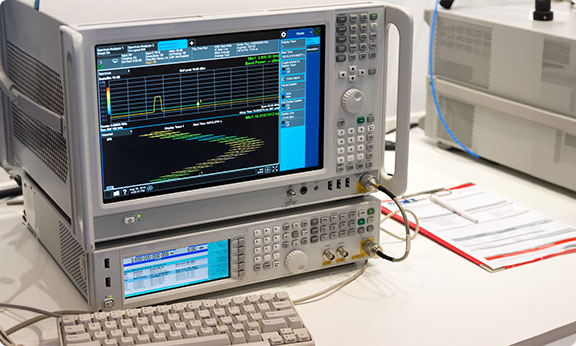
Validating test methods and calibrating equipment are essential to meet electronics performance testing ISO guidelines. Laboratories should use internationally recognized methods or, when developing in-house procedures, validate them rigorously to ensure accuracy and repeatability. Regular calibration of measurement instruments is necessary to maintain confidence in test results.
4. Personnel Training and Competence
ISO standards emphasize the importance of qualified personnel. Staff involved in testing must be trained, competent, and regularly assessed to ensure they can perform procedures correctly and interpret results accurately. Ongoing training programs help maintain high standards and adapt to technological advancements.
5. Quality Management and Continuous Improvement
Implementing a robust quality management system, as outlined in ISO 9001, supports consistent testing outcomes and process improvements. Regular internal audits, management reviews, and corrective actions are integral to identifying weaknesses and driving enhancements in the testing process.
Best Practices for Implementing ISO-Based Electronics Testing
Organizations aiming to align with ISO guidelines for electronics performance testing can benefit from adopting the following best practices:
- Develop clear standard operating procedures (SOPs) for all test methods and ensure they are accessible to relevant staff.
- Schedule routine equipment maintenance and calibration to minimize measurement errors and downtime.
- Conduct regular training sessions and competency evaluations for laboratory personnel.
- Engage in proficiency testing and inter-laboratory comparisons to benchmark performance and identify improvement areas.
- Maintain open communication with regulatory bodies and certification agencies to stay updated on evolving standards and requirements.

Common Challenges and How to Overcome Them
While implementing ISO standards brings significant benefits, organizations may encounter several challenges:
- Resource constraints: Smaller labs may struggle with the costs of accreditation and equipment calibration. Prioritizing critical equipment and seeking phased accreditation can help manage expenses.
- Keeping up with standard updates: ISO standards are periodically revised. Assigning a compliance officer or subscribing to standard update services ensures your processes remain current.
- Documentation overload: Managing extensive records can be daunting. Digital document management systems streamline record keeping and improve accessibility.
- Personnel turnover: High staff turnover can disrupt compliance. Cross-training and maintaining comprehensive SOPs help mitigate this risk.
Benefits of Following ISO Guidelines in Electronics Testing
Adhering to internationally recognized standards offers a range of advantages:
- Market access: ISO-compliant products are more readily accepted in global markets, reducing barriers to entry.
- Risk reduction: Standardized testing minimizes the likelihood of product failures, recalls, and liability claims.
- Customer confidence: Certification signals a commitment to quality and reliability, enhancing brand reputation.
- Operational efficiency: Streamlined processes and clear documentation reduce errors and improve productivity.
For a deeper look at the advantages, the ISO certification benefits for electronics manufacturers article provides further insights.
Preparing for Audits and Certification
Successful certification requires thorough preparation. Organizations should conduct internal audits to identify gaps, review documentation, and ensure all processes align with ISO requirements. Engaging with experienced consultants or participating in industry workshops can also provide valuable guidance.
Understanding what to expect during an audit is crucial. The ISO audit process electronics testing labs guide outlines typical steps, from pre-audit planning to post-audit follow-up.
For additional perspectives on certification, this overview of ISO certification for the electronics industry offers practical advice and industry examples.
Frequently Asked Questions
What are the most important ISO standards for electronics performance testing?
The most widely used standards include ISO/IEC 17025 for laboratory competence, ISO 9001 for quality management, and product-specific standards such as ISO 7637 for automotive electronics. These guidelines ensure consistent, reliable, and globally recognized testing results.
How often should equipment be calibrated according to ISO requirements?
Calibration frequency depends on the type of equipment, usage, and manufacturer recommendations. However, ISO guidelines generally require regular calibration, with intervals documented in the laboratory’s quality management system. Annual or semi-annual calibration is common for critical instruments.
Is accreditation mandatory for electronics testing laboratories?
While not always legally required, accreditation to ISO/IEC 17025 is strongly recommended and often necessary for regulatory acceptance and customer confidence. Accredited labs demonstrate technical competence and adherence to international best practices.
