

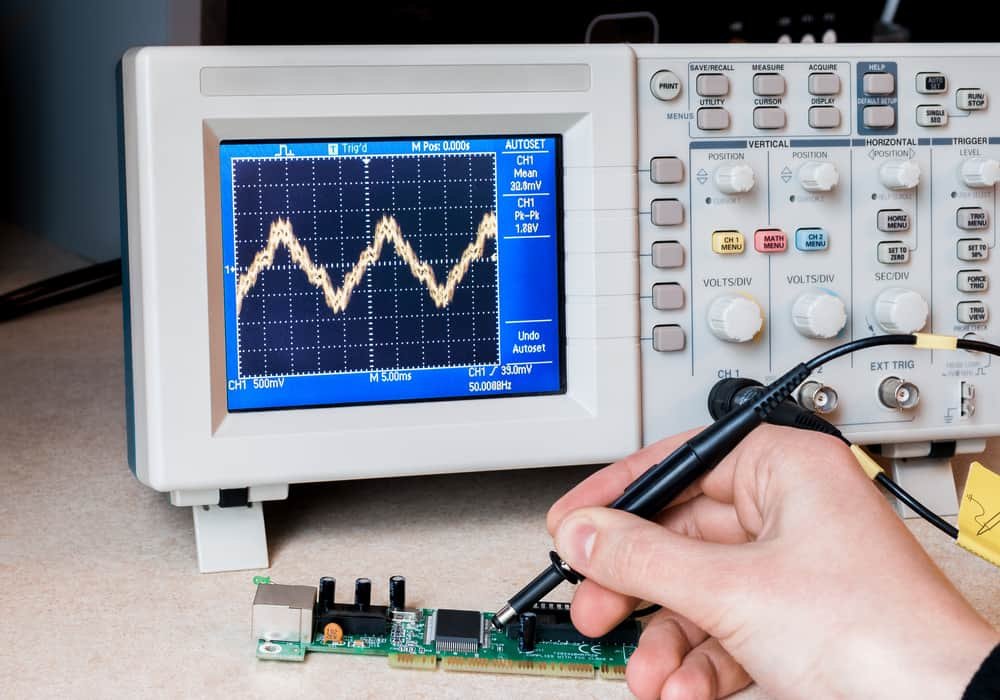
Understanding how ISO 9001 electronics testing explained applies to the electronics industry is crucial for manufacturers, engineers, and quality managers aiming to deliver reliable products. ISO 9001 is a globally recognized standard for quality management systems (QMS), and its principles are widely adopted in electronics testing to ensure products meet stringent performance and safety requirements. This article breaks down the essentials of ISO 9001 as it relates to electronics testing, focusing on its core concepts, practical applications, and the benefits it brings to manufacturing operations.
For those seeking deeper insights into best practices, ISO quality assurance in electronics testing offers a comprehensive look at how quality frameworks are implemented on the ground.
What Is ISO 9001 and Why Does It Matter in Electronics Testing?
ISO 9001 is an international standard that sets out the criteria for a quality management system. In the context of electronics, it provides a structured approach to managing processes, reducing errors, and improving product consistency. By aligning testing procedures with ISO 9001, organizations can demonstrate their commitment to quality, increase customer satisfaction, and gain a competitive edge in the marketplace.
Electronics testing under ISO 9001 covers a wide range of activities, from component verification to final product inspection. The standard emphasizes risk-based thinking, documentation, and continual improvement, which are vital for detecting defects early and ensuring that products perform as intended.
Core Principles of ISO 9001 in Electronics Quality Control
Implementing ISO 9001 in electronics testing involves several foundational principles:
- Customer Focus: Testing processes are designed to meet customer requirements and regulatory standards.
- Leadership: Management sets clear objectives and ensures resources are available for effective testing and quality assurance.
- Engagement of People: All employees are involved in maintaining and improving testing protocols.
- Process Approach: Testing is integrated into the overall manufacturing workflow, with clear inputs, outputs, and controls.
- Continuous Improvement: Feedback from testing results is used to refine procedures and prevent recurring issues.
- Evidence-Based Decision Making: Data from tests and inspections guide quality-related decisions.
- Relationship Management: Collaboration with suppliers and partners ensures consistent quality across the supply chain.

Key Steps in ISO 9001-Compliant Electronics Testing
To align with ISO 9001, electronics testing follows a systematic process. Here’s how organizations typically approach it:
- Define Testing Requirements: Establish what needs to be tested, based on product specifications, customer needs, and regulatory obligations.
- Develop Test Procedures: Create detailed instructions for each test, including equipment, methods, and acceptance criteria.
- Train Personnel: Ensure staff are competent and understand the importance of quality in testing activities.
- Conduct Tests: Perform tests according to documented procedures, recording results accurately.
- Analyze Data: Review test outcomes to identify trends, deviations, or recurring issues.
- Implement Corrective Actions: Address any failures or non-conformities by updating processes or retraining staff.
- Document and Review: Maintain records of all testing activities and regularly review them for opportunities to improve.
This structured approach ensures traceability, repeatability, and accountability throughout the testing lifecycle.
Benefits of Adopting ISO 9001 Standards in Electronics Testing
There are significant advantages to applying ISO 9001 principles in electronics testing:
- Improved Product Reliability: Systematic testing reduces the risk of defects reaching customers.
- Enhanced Customer Confidence: Certification signals a commitment to quality, helping to build trust with clients and partners.
- Regulatory Compliance: Many industries require ISO 9001 certification as a baseline for doing business.
- Operational Efficiency: Standardized processes minimize waste, rework, and delays.
- Market Access: Certification can open doors to new markets and customers who demand high standards.
For more on the benefits of ISO certified electronics testing, explore how these practices translate into tangible business value.
Common Testing Methods and Their Role in Quality Management
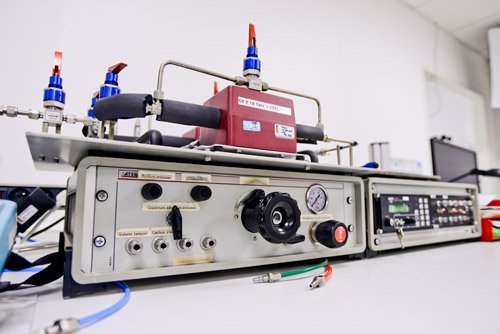
Electronics testing under ISO 9001 encompasses a variety of methods, each serving a unique purpose in quality assurance:
- Functional Testing: Verifies that electronic devices operate according to specifications.
- Environmental Testing: Assesses performance under conditions like humidity, temperature, and vibration.
- Non-Destructive Testing (NDT): Examines internal structures without damaging components, ensuring reliability.
- Calibration: Ensures measurement instruments are accurate and traceable to standards.
- Final Inspection: Confirms that finished products meet all quality and safety requirements before shipment.
These methods are selected based on product complexity, end-use, and regulatory needs. By integrating them into a quality management framework, organizations can systematically identify and address potential issues before products reach the market.
Documentation and Traceability in ISO 9001 Electronics Testing
One of the cornerstones of ISO 9001 is robust documentation. Every step in the electronics testing process must be recorded, from initial planning to final inspection. This documentation serves several purposes:
- Provides evidence of compliance with standards and customer requirements.
- Enables traceability, making it possible to track issues back to their source.
- Supports audits and continuous improvement initiatives.
Maintaining clear records also helps organizations respond quickly to recalls, warranty claims, or regulatory inquiries. For a broader perspective on ISO compliance requirements for electronics, review the detailed breakdown of documentation and process controls.
Challenges and Best Practices for Implementing ISO 9001 in Electronics Testing
Adopting ISO 9001 in electronics testing is not without its challenges. Common obstacles include resistance to change, the complexity of integrating new procedures, and the need for ongoing training. However, these can be overcome with a strategic approach:
- Leadership Commitment: Senior management must champion the adoption of quality standards and allocate necessary resources.
- Employee Engagement: Involving staff in process improvements fosters a culture of quality and accountability.
- Regular Training: Keeping teams updated on best practices and new testing technologies ensures ongoing compliance.
- Continuous Monitoring: Routine audits and performance reviews help identify gaps and drive improvement.
For a comprehensive overview of industry standards, the ISO testing standards overview electronics resource provides additional context on how these frameworks evolve with technology and market demands.
Industry Impact and the Value of Certification
Certification to ISO 9001 is more than a formality—it’s a strategic asset. Electronics manufacturers that achieve and maintain certification often experience:
- Lower defect rates and fewer customer complaints.
- Improved supplier relationships due to standardized expectations.
- Greater access to international markets and contracts.
- Enhanced reputation and brand value.
For a deeper dive into why certification is critical for reliability, see why ISO certification matters in electronics testing.
Additionally, manufacturers can learn more about the strategic reasons for certification from this detailed explanation of why electronic manufacturers should be ISO certified.
FAQ: ISO 9001 and Electronics Testing
What types of electronics products benefit most from ISO 9001-aligned testing?
Any electronic product, from consumer devices to industrial controls, benefits from ISO 9001-based testing. The standard is especially valuable for products with safety-critical functions, complex assemblies, or regulatory requirements, as it ensures consistency and traceability throughout production.
How often should electronics testing processes be reviewed under ISO 9001?
ISO 9001 encourages regular review and continuous improvement. Most organizations conduct internal audits at least annually, but more frequent reviews may be necessary for high-risk products or rapidly changing technologies.
Is ISO 9001 certification mandatory for electronics manufacturers?
While not legally required, ISO 9001 certification is often a prerequisite for doing business with major clients or entering certain markets. It demonstrates a commitment to quality and can be a key differentiator in competitive industries.
