

The electronics sector faces constant pressure to deliver reliable, safe, and high-quality products. To meet these demands, manufacturers and testing laboratories rely on internationally recognized benchmarks. An ISO testing standards overview electronics provides a structured framework for ensuring that electronic devices meet stringent requirements for performance, safety, and environmental impact. These standards not only support global trade but also help organizations demonstrate compliance, improve processes, and build trust with customers and regulators.
Understanding the landscape of ISO standards relevant to electronics is essential for anyone involved in design, manufacturing, or quality assurance. This article breaks down the most important ISO testing requirements, their benefits, and how they shape the industry’s best practices. For a deeper dive into the importance of certification, see why ISO certification matters in electronics testing.

Understanding ISO Standards in Electronics Testing
International Organization for Standardization (ISO) standards are developed through global consensus and provide guidelines and specifications for a wide range of industries. In electronics, these standards cover everything from product safety and reliability to environmental management and electromagnetic compatibility. Adhering to these protocols ensures that products meet both regulatory and customer expectations.
Some of the most widely adopted ISO standards in the electronics field include:
- ISO 9001 – Quality management systems
- ISO 14001 – Environmental management systems
- ISO/IEC 17025 – General requirements for testing and calibration laboratories
- ISO 26262 – Functional safety for automotive electronics
- ISO/IEC 61000 – Electromagnetic compatibility (EMC) standards
Each of these standards addresses specific aspects of the electronics lifecycle, from design and manufacturing to testing and environmental impact.

Key Benefits of ISO Testing Protocols for Electronics
Implementing ISO testing standards overview electronics brings a range of advantages to manufacturers, suppliers, and end-users:
- Global Market Access: Products tested and certified to ISO standards are more readily accepted in international markets, reducing barriers to trade.
- Improved Product Reliability: Consistent testing and quality management minimize defects, recalls, and warranty claims.
- Regulatory Compliance: Many countries require adherence to ISO or equivalent standards for electronics imports and sales.
- Environmental Responsibility: Standards like ISO 14001 help organizations minimize their environmental footprint and comply with sustainability regulations.
- Customer Confidence: Certification demonstrates a commitment to quality and safety, enhancing brand reputation.
For more on the role of compliance, see ISO compliance requirements for electronics.
Core ISO Standards Shaping Electronics Testing
Let’s look closer at the most influential ISO standards for electronics and their practical impact on testing procedures:
ISO 9001: Quality Management Systems
This standard sets the foundation for quality assurance in manufacturing and testing. It requires organizations to establish documented processes, monitor performance, and continuously improve operations. In electronics, ISO 9001 certification is often a prerequisite for doing business with major OEMs and global partners.
ISO/IEC 17025: Laboratory Competence
Testing and calibration laboratories must demonstrate technical competence and the ability to produce valid results. ISO/IEC 17025 outlines requirements for personnel qualifications, equipment calibration, and method validation. Laboratories accredited to this standard are trusted for their impartiality and accuracy.
ISO 14001: Environmental Management
Electronics manufacturing can have significant environmental impacts. ISO 14001 helps organizations identify, manage, and reduce these effects through systematic environmental management. Manufacturers with this certification are better positioned to meet regulatory requirements and customer expectations for sustainability. For a practical perspective, see this article on ISO 14001 experience in electronics manufacturing.
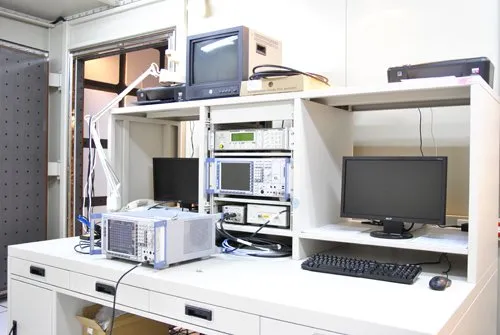
ISO/IEC 61000: Electromagnetic Compatibility (EMC)
EMC standards are critical for ensuring that electronic devices do not interfere with each other or with communication networks. ISO/IEC 61000 covers testing methods for emissions and immunity, helping manufacturers design products that function reliably in real-world environments.
ISO 26262: Functional Safety for Automotive Electronics
With the increasing complexity of automotive electronics, functional safety is paramount. ISO 26262 provides a risk-based approach to identifying and mitigating hazards in automotive systems, from sensors to control units. Compliance is essential for suppliers in the automotive supply chain.
How ISO Testing Standards Are Applied in Practice
Applying ISO protocols involves more than just passing a one-time audit. It requires ongoing commitment to process improvement, documentation, and training. Here’s how organizations typically implement these standards:
- Gap Analysis: Assess current practices against ISO requirements to identify areas for improvement.
- Process Development: Create or update procedures to align with standard requirements.
- Employee Training: Ensure staff understand their roles in maintaining compliance.
- Internal Audits: Regularly review processes to catch issues before external audits.
- Certification Audit: Undergo third-party assessment to achieve or maintain certification.
For a detailed explanation of certification processes, visit what is ISO certified electronics testing.
Challenges and Trends in ISO Compliance for Electronics
While the benefits of ISO adherence are clear, organizations face several challenges:
- Keeping Up with Evolving Standards: ISO guidelines are periodically updated to reflect new technologies and risks.
- Resource Allocation: Implementing and maintaining compliance requires investment in training, documentation, and audits.
- Global Supply Chains: Ensuring that suppliers and partners also meet ISO requirements can be complex.
Emerging trends such as digitalization, IoT integration, and stricter environmental regulations are influencing the development of new and revised ISO standards. Staying informed and proactive is key to maintaining a competitive edge.
Best Practices for Electronics Companies Pursuing ISO Certification
To maximize the value of ISO compliance, electronics organizations should:
- Integrate Standards into Daily Operations: Make compliance part of the company culture, not just a box-ticking exercise.
- Leverage Technology: Use digital tools for document control, audit management, and training tracking.
- Engage Leadership: Senior management commitment is essential for successful implementation and continuous improvement.
- Monitor Industry Updates: Stay current with changes to standards and regulatory requirements.
For insights into how certification impacts quality, see importance of ISO certification in electronics testing.
FAQ: ISO Testing and Compliance in the Electronics Sector
What are the most important ISO standards for electronics testing?
The most critical standards include ISO 9001 for quality management, ISO/IEC 17025 for laboratory competence, ISO 14001 for environmental management, ISO/IEC 61000 for electromagnetic compatibility, and ISO 26262 for automotive electronics safety. Each addresses a specific aspect of product quality, safety, or environmental impact.
How does ISO certification benefit electronics manufacturers?
Certification demonstrates a commitment to quality, safety, and environmental responsibility. It opens doors to global markets, reduces the risk of product failures or recalls, and helps companies meet regulatory requirements. It also builds customer trust and can provide a competitive advantage.
Is ISO compliance mandatory for all electronics companies?
While not always legally required, many markets and clients demand ISO-certified products or processes. Regulatory bodies in some regions may require compliance with certain ISO standards for product approval or import. Even when not mandatory, following ISO guidelines is considered best practice in the industry.
Conclusion
Adopting and maintaining ISO testing standards overview electronics is essential for organizations aiming to deliver high-quality, reliable, and compliant electronic products. These standards provide a roadmap for continuous improvement, risk management, and global competitiveness. By understanding and applying the right ISO protocols, electronics companies can ensure their products meet the highest expectations for safety, performance, and sustainability.
For a more comprehensive breakdown of key standards and basics, refer to ISO certified electronics testing explained.
