

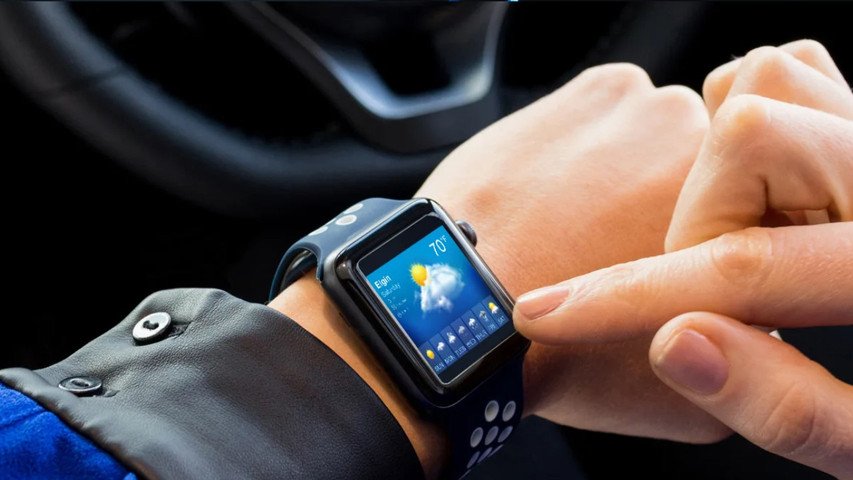
Wearable devices have become an integral part of daily life, powering everything from smartwatches and fitness trackers to advanced medical monitors and augmented reality glasses. At the core of these devices are specialized platforms that manage hardware, enable apps, and provide seamless user experiences. For anyone interested in the technology behind these gadgets, understanding wearable operating systems explained is essential.
These platforms are designed to address the unique challenges of compact, battery-powered devices. They must balance performance, connectivity, and security while supporting a growing ecosystem of applications. Whether you’re a developer, product designer, or simply a tech enthusiast, gaining insight into how these systems work can help you make informed choices about devices and integration strategies.
For those involved in device creation or integration, understanding the electronic product design system integration guide can provide valuable context on how these platforms fit into broader product development workflows.
What Makes Wearable Platforms Unique?
The software at the heart of wearables differs significantly from traditional desktop or mobile platforms. These systems are optimized for:
- Low power consumption to maximize battery life
- Compact hardware with limited memory and processing power
- Always-on sensors and connectivity (Bluetooth, Wi-Fi, cellular, GPS)
- Small, touch-based or gesture-driven displays
- Integration with companion devices (such as smartphones)
Because of these constraints, wearable platforms must be lightweight, efficient, and responsive. They often use custom kernels or stripped-down versions of established operating systems, tailored for the specific needs of wearable hardware.
Key Players in Wearable Device Software
Several major platforms dominate the landscape, each with its own strengths and target markets. Here’s a look at some of the most prominent:
- Wear OS by Google: Based on Android, Wear OS powers a wide range of smartwatches and fitness trackers. It offers deep integration with Google services, supports third-party apps, and provides a familiar interface for Android users.
- watchOS by Apple: Exclusively for Apple Watch, watchOS is tightly integrated with iOS devices. It emphasizes health tracking, notifications, and seamless connectivity with the Apple ecosystem.
- Tizen: Developed by Samsung, Tizen is used in many of the company’s wearables, including Galaxy Watch models. It’s known for efficient performance and a customizable user interface.
- Fitbit OS: Found on Fitbit’s smartwatches, this platform focuses on health and fitness features, offering a simple interface and strong battery life.
- Proprietary and Embedded Systems: Many fitness bands, medical monitors, and specialized wearables use custom or embedded systems tailored for their specific functions.
Each of these platforms is designed to address the unique requirements of wearables, from battery optimization to sensor integration and connectivity.
Core Functions of Wearable Software
At a fundamental level, wearable device software must manage several critical tasks:
- Resource Management: Efficiently allocating memory, processing power, and battery usage.
- Sensor Integration: Handling input from accelerometers, heart rate monitors, GPS, and other sensors.
- Connectivity: Maintaining reliable links with smartphones, cloud services, and other devices.
- User Interface: Providing intuitive, glanceable information on small screens, often with touch or gesture controls.
- Security and Privacy: Protecting sensitive health and location data through encryption and secure authentication.
These core functions set the foundation for a robust and user-friendly wearable experience.

How Wearable Platforms Differ from Mobile and Desktop Systems
While there are similarities between wearable, mobile, and desktop operating systems, several key differences stand out:
- Interface Design: Wearables require simplified interfaces, often using large icons, minimal text, and gesture-based navigation.
- Power Efficiency: Battery life is a top priority, so background processes and app activity are tightly controlled.
- Sensor-Driven Features: Wearables rely heavily on real-time sensor data for health, fitness, and location tracking.
- Companion App Integration: Many wearables offload complex tasks to companion apps on smartphones or cloud services.
These differences mean that developers and manufacturers must adopt specialized approaches when building for wearable technology.
Security and Privacy in Wearable Device Platforms
Because wearables often collect sensitive health and location data, security is a major concern. Modern platforms incorporate multiple layers of protection:
- Data Encryption both at rest and in transit
- Secure boot and firmware updates
- Authentication mechanisms, including biometrics
- Strict permissions for third-party apps
Users should always keep their devices updated and review app permissions to maintain privacy and security.
Developing for Wearable Platforms
Building applications for these devices requires an understanding of their unique constraints. Developers must optimize for:
- Limited screen space and input methods
- Efficient use of sensors and connectivity
- Battery-friendly design
- Seamless integration with companion devices and cloud services
For a deeper dive into the broader context of product development, the electronic product design documentation workflow offers insights into how wearable software fits into the overall design and testing process.
Trends and the Future of Wearable Technology Platforms
The landscape of wearable device software continues to evolve rapidly. Key trends include:
- Health and Wellness Integration: Increasing focus on medical-grade monitoring, ECG, blood oxygen, and sleep tracking.
- AI and Machine Learning: Smarter activity recognition, predictive health insights, and personalized recommendations.
- Interoperability: Improved compatibility between different brands and ecosystems.
- Edge Computing: More processing happening directly on the device, reducing reliance on cloud connectivity.
For a broader perspective on how clothing and everyday items are becoming more connected, the HowStuffWorks guide to computer clothing explores the intersection of fashion and technology.
Challenges in Wearable Device Software
Despite rapid progress, several challenges remain:
- Battery Life: Extending usage time without sacrificing features
- Fragmentation: Multiple platforms and hardware variations complicate app development
- Data Privacy: Ensuring user data is handled responsibly
- Standardization: Lack of universal standards can hinder interoperability
Manufacturers and developers continue to work on solutions to these issues, aiming for more reliable and user-friendly experiences.
FAQ: Common Questions About Wearable Device Platforms
What is the main difference between wearable and smartphone operating systems?
The primary distinction lies in resource optimization and user interaction. Wearable platforms are engineered for low power consumption, smaller displays, and sensor-driven input, while smartphone systems offer more processing power and complex interfaces.
Can I develop my own apps for wearable devices?
Yes, most major platforms like Wear OS, watchOS, and Tizen provide development kits and tools for building custom applications. However, developers must account for unique constraints such as limited screen space and battery life.
How secure are wearable devices?
Modern wearable platforms incorporate robust security features, including encryption, secure boot, and strict app permissions. Users should keep their devices updated and review app permissions to maintain optimal security and privacy.
Are all wearables compatible with every smartphone?
Not always. Compatibility depends on the device’s platform and the smartphone’s operating system. For example, Apple Watch works only with iPhones, while Wear OS devices are compatible with both Android and iOS, though some features may be limited on iOS.
Where can I learn more about integrating wearable platforms into product design?
Resources like the electronic product design performance testing guide provide detailed information on testing and integrating these platforms into broader electronic products.
