

Living off the grid no longer means sacrificing comfort or efficiency. Thanks to advances in smart tech for off-grid homes, it’s now possible to enjoy modern conveniences while maintaining energy independence and sustainability. Whether you’re building a new homestead or upgrading an existing property, integrating intelligent systems can help you manage resources, increase security, and streamline daily tasks. This article explores the essential technologies, practical benefits, and real-world considerations for anyone interested in off-grid living with a modern twist.
Before diving into the core technologies, it’s helpful to understand how system integration plays a role in these setups. For those interested in the technical side, the electronic product design system integration guide offers a deeper look at how different components work together to create a seamless experience.

Why Embrace Smart Technology in Remote Living?
Choosing to live off-grid is often motivated by a desire for self-sufficiency, environmental stewardship, or simply escaping the noise of urban life. However, traditional off-grid setups can be labor-intensive and require constant monitoring. By incorporating smart tech for off-grid homes, residents can:
- Automate energy management for solar, wind, or hybrid systems
- Monitor water usage and storage remotely
- Control heating, cooling, and lighting with precision
- Enhance security through smart cameras and sensors
- Reduce manual labor and improve overall efficiency
These benefits translate to more time spent enjoying your surroundings and less time troubleshooting or performing repetitive tasks.
Core Components of a Connected Off-Grid Home
Modern off-grid dwellings rely on a combination of hardware and software to deliver reliable, efficient performance. Here’s a breakdown of the most impactful technologies:
Smart Energy Management Systems
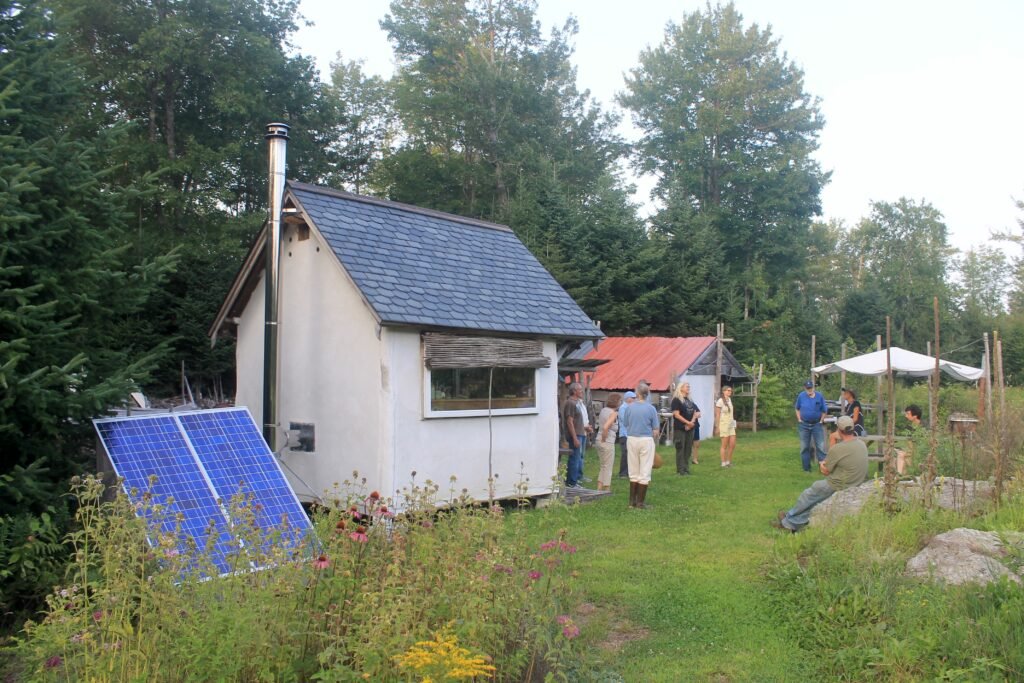
At the heart of any off-grid property is its power source. Smart inverters and battery management systems allow homeowners to track energy production and consumption in real time. These platforms can automatically switch between solar, wind, and backup generators to optimize efficiency and prolong battery life.
Many energy management solutions provide mobile apps or web dashboards, making it easy to adjust settings or receive alerts about system performance. This level of control is especially valuable in remote locations where quick troubleshooting is essential.
Water Conservation and Automation
Water is a precious resource for off-grid living. Smart sensors can monitor tank levels, detect leaks, and automate pumps or irrigation systems. For example, soil moisture sensors can trigger watering only when necessary, reducing waste and ensuring healthy crops or gardens.
Automated water filtration and purification systems can also be managed remotely, ensuring a safe and consistent supply for drinking and household use.
Climate Control and Smart Appliances
Heating and cooling are major energy draws in any home. Off-grid properties can benefit from programmable thermostats, smart ceiling fans, and energy-efficient appliances that adapt to changing weather or occupancy patterns. For example, some systems can pre-cool or pre-heat a home during periods of excess solar production, maximizing comfort without draining batteries.
Smart refrigerators, freezers, and even washing machines are now available with low-power modes and scheduling features, making them suitable for energy-conscious households.
Security and Monitoring Solutions
Remote locations can be vulnerable to theft, wildlife intrusions, or environmental hazards. Smart cameras, motion sensors, and automated lighting provide peace of mind and can be monitored via smartphone from anywhere with a data connection. Some systems integrate with emergency alerts, allowing for quick response to fires, floods, or other threats.
Integrating Smart Tech with Sustainable Practices
While technology can make off-grid living more convenient, it’s most effective when paired with sustainable design and habits. For instance, combining permaculture principles with automated irrigation ensures both resource efficiency and healthy food production.

For more on integrating electronics and sustainable systems, the electronic product design performance testing guide provides insights into ensuring reliability and safety in complex setups.
Challenges and Considerations for Off-Grid Smart Homes
While the advantages are clear, there are unique challenges to deploying smart technology in remote environments:
- Connectivity: Many smart devices require internet access for remote monitoring or updates. Satellite or cellular solutions may be necessary in areas without traditional broadband.
- Power Consumption: Even efficient devices draw some power. It’s important to choose systems designed for low-energy use and to size your renewable energy setup accordingly.
- Maintenance: Off-grid locations can be harder to service. Opt for robust, weather-resistant hardware and keep firmware updated to minimize vulnerabilities.
- Cost: Initial investment can be significant, but long-term savings and improved quality of life often justify the expense.
For a comprehensive overview of what to expect, including budgeting and planning, the off-grid homesteading essentials guide is a valuable resource.
Future Trends in Smart Off-Grid Living
As technology advances, the line between on-grid and off-grid comfort continues to blur. Some emerging trends include:
- AI-powered automation: Systems that learn your routines and optimize energy use automatically
- Microgrid integration: Sharing excess power with neighbors or local communities
- Voice control and smart assistants: Hands-free management of home systems
- Advanced sensors: Early detection of environmental changes, from weather shifts to soil health
Staying informed about these innovations can help future-proof your homestead and ensure you’re making the most of available technology.
FAQ: Smart Technology for Off-Grid Properties
What are the most important smart devices for off-grid living?
The essentials include a smart energy management system, water monitoring sensors, programmable thermostats, and security cameras. These provide the greatest impact on efficiency, safety, and convenience.
Can smart home tech work without a constant internet connection?
Many systems offer local control and automation, but remote monitoring and updates usually require internet access. Solutions like cellular hotspots or satellite internet can bridge the gap for remote properties.
How do I ensure my smart devices are energy efficient?
Look for products rated for low power consumption and designed for off-grid or RV use. Regularly monitor your system’s energy usage and adjust settings to match your available resources.
Is it difficult to integrate new smart tech with existing off-grid setups?
Most modern devices are designed for compatibility and can be retrofitted with minimal disruption. However, careful planning and, if needed, consultation with an expert can help avoid compatibility issues.
For those interested in the documentation and safety aspects of integrating electronics, the electronic product design documentation workflow and electronic product design safety standards comparison articles offer further reading.
Adopting smart tech for off-grid homes can transform your lifestyle, making it easier to manage resources, stay secure, and enjoy the freedom of self-sufficiency. By combining modern technology with sustainable practices, you can build a homestead that’s both resilient and comfortable for years to come.
