

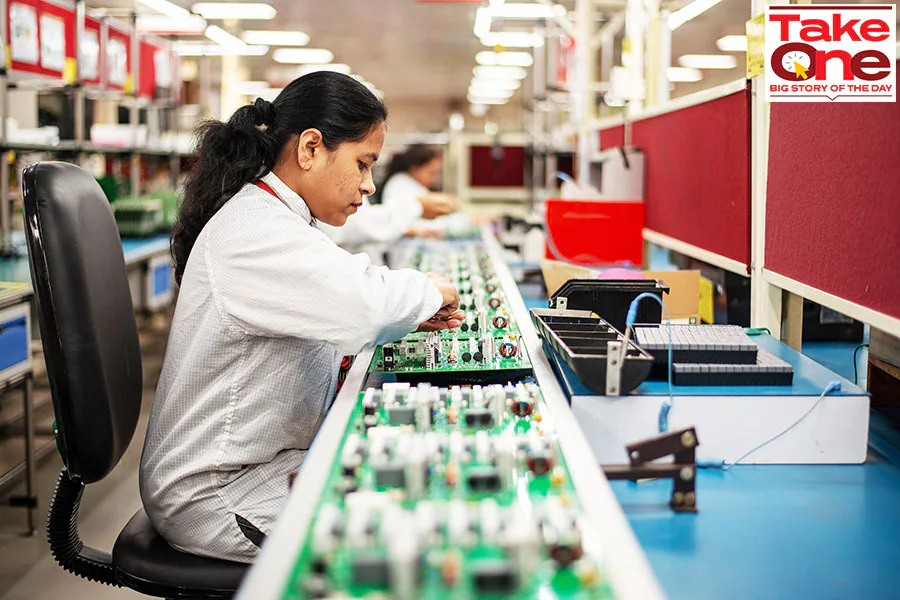
Electronics environmental testing is a critical process in the development and validation of modern electronic products. As devices become more integrated into daily life and are expected to perform reliably in a wide range of settings, ensuring their durability and safety under various environmental conditions is essential. This process involves subjecting electronic components and systems to simulated real-world stresses—such as temperature extremes, humidity, vibration, and more—to verify that they can withstand the environments in which they will operate.
Manufacturers, engineers, and product designers rely on these rigorous assessments to identify potential weaknesses, improve product reliability, and comply with regulatory standards. For those seeking a deeper understanding of how these evaluations fit into the broader development cycle, resources like the electronic product design system integration guide provide valuable insights into integrating robust testing protocols from the earliest design stages.
Why Environmental Testing Matters for Electronics
Electronic devices are exposed to a range of environmental factors throughout their lifecycle—from manufacturing and shipping to daily use by consumers. These conditions can include temperature fluctuations, moisture, dust, mechanical shock, and even exposure to chemicals. Without thorough environmental testing for electronics, products may fail prematurely, leading to costly recalls, safety hazards, and damage to brand reputation.
By simulating these real-world scenarios in controlled laboratory settings, engineers can pinpoint vulnerabilities before products reach the market. This proactive approach not only enhances reliability but also helps companies meet international standards and regulations, which are often prerequisites for global distribution.
Key Types of Electronics Environmental Testing
There are several core categories of tests used to evaluate how electronic products respond to environmental stressors. Each type targets specific risks and performance factors:
- Temperature and Humidity Testing: Devices are exposed to extreme heat, cold, and varying humidity levels to assess their performance and identify issues like condensation or thermal expansion.
- Vibration and Shock Testing: Simulates conditions such as transportation, accidental drops, or operational vibrations to ensure structural integrity and continued function.
- Salt Spray and Corrosion Testing: Particularly important for products used in marine or coastal environments, this test checks for resistance to corrosion caused by salt-laden air.
- Dust and Water Ingress Testing: Determines the degree to which enclosures protect internal components from dust and moisture, often referenced by IP (Ingress Protection) ratings.
- Altitude Testing: Assesses performance at high or low atmospheric pressures, relevant for aerospace and certain industrial applications.
Common Standards and Compliance Requirements
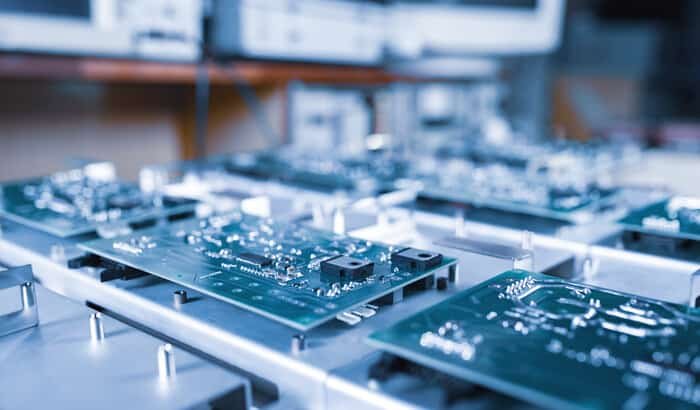
To ensure consistency and safety, many industries adhere to established standards for electronics environmental testing. Some of the most widely recognized benchmarks include:
- IEC 60068: A comprehensive series of international standards covering a wide range of environmental tests for electronic equipment.
- MIL-STD-810: A U.S. military standard specifying environmental engineering considerations and laboratory tests for military equipment, often adopted by commercial sectors for its rigor.
- JEDEC Standards: Focused on semiconductor devices, these standards address thermal, mechanical, and moisture-related stresses.
Meeting these standards is not just about passing a test; it’s about demonstrating a commitment to quality and reliability. Compliance can also be a legal requirement for certain markets, making it a crucial step in product development.
How Environmental Testing Fits Into Product Development
Integrating environmental qualification for electronics early in the design process can save time and resources. By identifying potential issues before mass production, teams can make informed design adjustments and avoid costly redesigns or recalls down the line.
A typical workflow might include:
- Initial Design Review: Assessing the intended use environments and identifying relevant tests.
- Prototype Testing: Early prototypes are subjected to environmental stressors to uncover weaknesses.
- Iterative Improvements: Design modifications are made based on test results, followed by retesting.
- Final Qualification: The finished product undergoes comprehensive testing to ensure it meets all requirements.
For a deeper dive into how testing integrates with other aspects of product development, the electronic product design performance testing guide offers a detailed look at performance validation alongside environmental assessments.
Challenges and Best Practices in Environmental Qualification
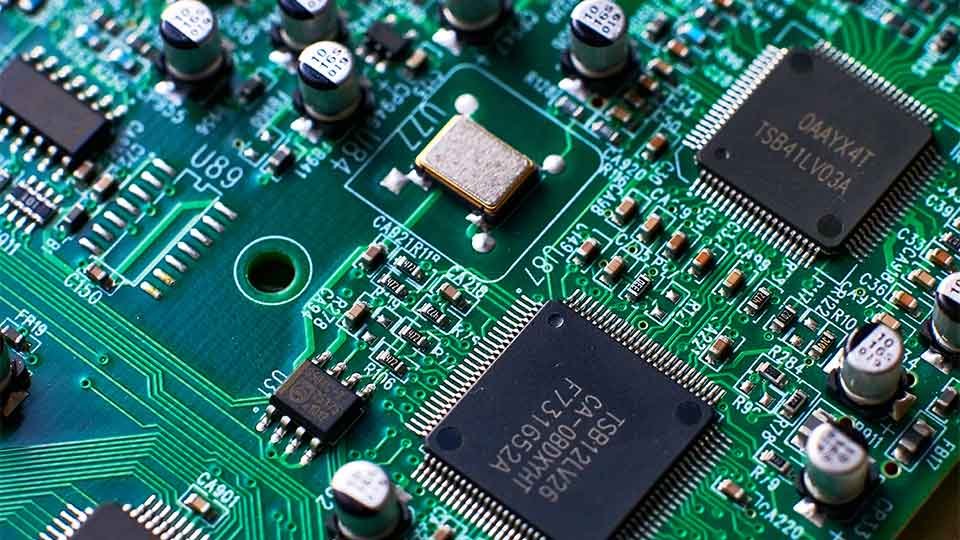
Conducting robust environmental assessments for electronics presents several challenges. Simulating real-world conditions accurately requires specialized equipment and expertise. Additionally, balancing thoroughness with cost and time constraints can be difficult, especially for startups or companies launching new product lines.
Best practices include:
- Early Planning: Define environmental requirements at the concept stage to avoid late-stage surprises.
- Use of Accredited Labs: Partner with certified testing facilities to ensure accurate and recognized results.
- Comprehensive Documentation: Maintain detailed records of test procedures, results, and corrective actions for future reference and regulatory compliance.
- Cross-Functional Collaboration: Involve design, engineering, and quality assurance teams throughout the process to ensure all perspectives are considered.
Staying informed about advances in materials, manufacturing, and testing techniques is also vital. For example, understanding the semiconductor fabrication process can help teams anticipate and mitigate environmental risks at the chip level.
Environmental Testing and Product Reliability
Reliability is a cornerstone of successful electronic products. By systematically exposing devices to environmental stressors, manufacturers can gather data on failure modes and lifespans. This information feeds back into the design process, enabling continuous improvement and innovation.
For those interested in the broader context of ensuring robust and reliable products, the electronic product design reliability engineering basics article provides foundational knowledge on reliability engineering and its relationship to environmental assessments.
Frequently Asked Questions
What types of electronic products require environmental testing?
Most electronic devices benefit from environmental qualification, especially those intended for use in challenging conditions—such as automotive electronics, aerospace systems, industrial controls, consumer gadgets, and medical devices. Even products used in controlled indoor environments may be exposed to unexpected stresses during shipping or storage.
How do environmental tests differ from other product tests?
While functional and performance tests verify that a device works as intended under normal conditions, environmental evaluations focus on how products respond to external stressors like temperature, humidity, vibration, and dust. Both types of assessments are essential for comprehensive product validation.
How long does electronics environmental testing take?
The duration depends on the complexity of the device, the number of tests required, and the standards being followed. Some tests, such as accelerated aging or corrosion, may take several days or weeks. Early planning and coordination with testing labs can help streamline the process.
Conclusion
As electronic products continue to evolve and enter new markets, the importance of rigorous environmental testing cannot be overstated. By proactively identifying and addressing potential vulnerabilities, manufacturers can deliver safer, more reliable devices that meet the demands of today’s consumers and regulatory bodies. Integrating these assessments into the product development lifecycle is not just a best practice—it’s a necessity for long-term success.
