

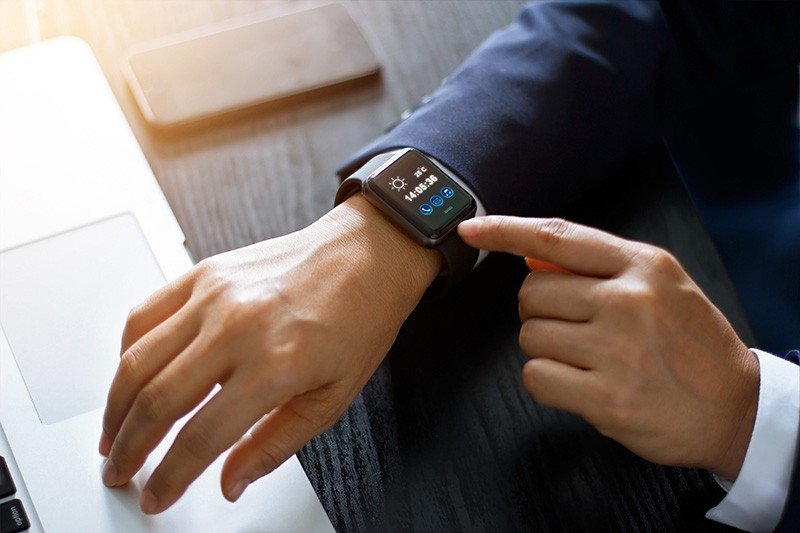
Wearable technology is rapidly transforming how people interact with digital systems in daily life, from fitness trackers and smartwatches to medical monitoring devices and augmented reality glasses. As these products become more integrated into routines, ensuring that they are intuitive, accessible, and comfortable for users is essential. Usability testing for wearables plays a critical role in identifying design flaws, improving user satisfaction, and ensuring that devices meet real-world needs.
This article explores the unique challenges of evaluating wearable devices, outlines best practices for conducting effective usability studies, and provides actionable insights for teams developing next-generation wearables. For those interested in the broader context of electronic product development, the electronic product design system integration guide offers a comprehensive look at integrating hardware and software for optimal performance.
Understanding the Importance of Wearable Device Usability
Unlike traditional computers or mobile devices, wearables are designed to be worn on the body, making their usability highly dependent on comfort, ergonomics, and seamless interaction. Poorly designed interfaces or uncomfortable hardware can lead to user frustration, abandonment, or even physical discomfort. Effective usability testing for wearables ensures that devices are not only functional but also enjoyable and safe to use in a variety of real-world scenarios.
Wearables often collect sensitive personal data and are used in contexts where quick, distraction-free interaction is crucial. For example, a fitness tracker should allow users to check their stats with minimal effort during a workout, while a medical wearable must be easy to operate even under stress. These unique requirements make usability evaluation an essential step in the product development lifecycle.
Key Challenges in Evaluating Wearable Technology
Testing the usability of wearable devices involves several challenges that differ from those faced with smartphones or desktop applications:
- Physical Fit and Comfort: Wearables must accommodate a wide range of body types and preferences. Straps, sensors, and materials all affect comfort and long-term wearability.
- Contextual Use: Devices are often used while the user is moving, multitasking, or in varying environmental conditions. Testing must account for these real-world scenarios.
- Interaction Modalities: Many wearables rely on touch, gesture, voice, or minimal buttons, requiring intuitive and error-resistant input methods.
- Battery Life and Feedback: Limited screen space and power constraints mean feedback must be clear and concise, without draining the device’s battery.
- Accessibility: Devices should be usable by people with different abilities, including those with visual, auditory, or motor impairments.

Best Practices for Usability Testing in Wearable Design
To address the unique demands of wearable technology, usability testing should be carefully planned and executed. Here are some proven strategies:
-
Recruit a Diverse User Group
Test participants should represent the full range of potential users, including different ages, genders, body sizes, and abilities. This diversity helps uncover issues that may not be apparent in a homogenous group.
-
Simulate Real-World Scenarios
Conduct tests in environments that mimic actual use, such as during exercise, commuting, or daily routines. Observe how users interact with the device while walking, running, or multitasking.
-
Evaluate Physical and Digital Interactions
Assess both the hardware (fit, comfort, adjustability) and software (navigation, feedback, error handling). Encourage users to wear the device for extended periods to identify long-term comfort issues.
-
Collect Quantitative and Qualitative Data
Use surveys, interviews, and observation to gather feedback on ease of use, satisfaction, and pain points. Combine this with metrics such as task completion time, error rates, and frequency of use.
-
Iterate and Refine
Usability testing should be an ongoing process. Use findings to make improvements, then retest to ensure changes have the desired effect.
Common Methods for Wearable Usability Evaluation
Several techniques are particularly effective for assessing the user experience of wearable devices:
- Task-Based Testing: Assign users specific tasks, such as setting an alarm or tracking a workout, and observe their interactions.
- Think-Aloud Protocol: Ask participants to verbalize their thoughts as they use the device, revealing confusion or frustration points.
- Field Studies: Deploy wearables in real-life settings over days or weeks to gather insights on long-term usability and comfort.
- Heuristic Evaluation: Have usability experts review the device against established principles, such as visibility of system status and error prevention.
- Surveys and Interviews: Collect user feedback on perceived ease of use, comfort, and satisfaction after hands-on experience.
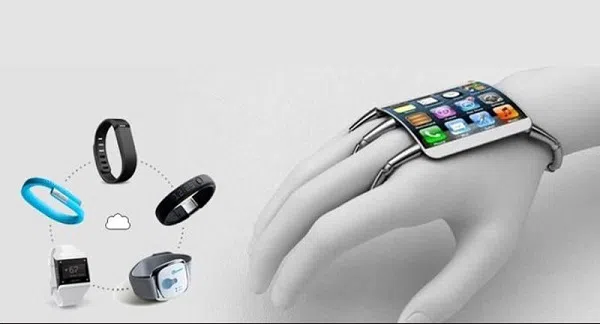
Integrating Usability Insights into Product Development
Findings from usability studies should directly inform design decisions. Teams should prioritize issues that impact safety, comfort, and core functionality. For example, if users struggle to fasten a wristband or misinterpret a notification, these issues should be addressed before launch. Iterative testing and refinement help ensure that the final product meets user expectations.
For teams working on complex hardware, integrating usability feedback with technical requirements is essential. Resources such as the electronic product design performance testing guide can help align usability goals with broader product performance standards.
Wearable Usability and Industry Standards
As wearable technology becomes more prevalent, industry standards for usability and safety are evolving. Regulatory bodies and industry groups are developing guidelines to ensure that devices are not only functional but also safe and accessible. Staying informed about these standards is crucial for compliance and market acceptance. For a deeper dive into the broader landscape of wearable technology, explore this comprehensive overview of wearable technology and its applications.
Frequently Asked Questions
What makes usability testing different for wearables compared to smartphones?
Wearables are worn on the body and often used in motion or hands-free situations. This means usability testing must account for comfort, fit, and contextual use, not just interface design. Testing should simulate real-life scenarios and evaluate both hardware and software interactions.
How often should usability testing be conducted during wearable development?
Usability evaluation should occur throughout the product lifecycle, from early prototypes to final designs. Regular testing helps catch issues early, allows for iterative improvements, and ensures the device remains user-friendly as features evolve.
What are the most common usability issues found in wearable devices?
Frequent problems include uncomfortable straps or sensors, confusing navigation, unclear feedback, and difficulties using the device in different environments. Addressing these issues early helps improve adoption and user satisfaction.
Conclusion
Effective usability testing for wearables is essential for creating products that people want to wear and use daily. By focusing on real-world scenarios, diverse user needs, and continuous improvement, development teams can deliver wearable devices that are intuitive, comfortable, and reliable. For further guidance on documentation and compliance in electronic product development, consider reviewing the electronic product design documentation workflow and related resources.
