


Integrating complex systems is a core challenge in modern electronics development. Whether you’re launching a new consumer device or upgrading industrial equipment, a well-structured approach to electronic product design system integration is essential for performance, safety, and reliability. This guide breaks down the integration process, highlights best practices, and addresses common pitfalls, offering practical insights for engineers, product managers, and innovators.
Before diving into the integration workflow, it’s important to understand how safety and compliance standards impact your project. For a detailed comparison, review the electronic product design safety standards comparison to ensure your integration plan aligns with regulatory requirements.
Understanding System Integration in Electronics
System integration refers to the process of combining various electronic subsystems—such as microcontrollers, sensors, power modules, and communication interfaces—into a single, cohesive product. The objective is to ensure all components work together seamlessly, meeting functional, safety, and performance requirements.
A robust electronic product design system integration guide addresses not only hardware assembly but also firmware, software, and connectivity. The process involves careful planning, iterative prototyping, and thorough testing to avoid costly redesigns and delays.
Key Steps in the Integration Workflow
1. Requirements Gathering and Architecture Planning
The foundation of successful integration is a clear understanding of the product’s requirements. This includes:
- Functional specifications (what the product must do)
- Environmental constraints (temperature, humidity, EMC/EMI)
- Regulatory and safety standards
- Power and connectivity needs
- Mechanical and enclosure considerations
Developing a system architecture diagram helps visualize how different modules interact, highlighting potential integration challenges early.
2. Interface Definition and Module Selection
Defining clear electrical and data interfaces is crucial. For example, specifying voltage levels, communication protocols (I2C, SPI, UART, USB), and connector types ensures compatibility between modules. Selecting components with proven interoperability reduces integration risk.
3. Prototyping and Subsystem Integration
Building prototypes allows teams to validate subsystem functionality before full-scale integration. This stage typically involves:
- Assembling development boards or custom PCBs
- Testing individual modules in isolation
- Gradually integrating modules to identify and resolve interface issues

Early prototyping helps catch hardware or firmware incompatibilities, reducing the risk of late-stage failures.
4. Firmware and Software Integration
As hardware modules come together, firmware and software must be integrated to coordinate device functions. This includes:
- Developing drivers for sensors and actuators
- Implementing communication stacks
- Ensuring real-time performance and error handling
- Conducting code reviews and static analysis
Close collaboration between hardware and software teams is vital to resolve timing, resource, or interface conflicts.
5. System Validation and Testing
Comprehensive testing verifies that the integrated product meets all requirements. Key activities include:
- Functional testing (does the system perform as intended?)
- Performance benchmarking (speed, power consumption, thermal behavior)
- Compliance and safety testing (EMC, ESD, regulatory standards)
- Reliability and stress testing
For a deeper dive into performance verification, see the electronic product design performance testing guide.
Best Practices for Seamless Integration
Documentation and Change Management
Maintaining clear and up-to-date documentation is essential for tracking design decisions, interface definitions, and test results. A structured electronic product design documentation workflow streamlines communication and reduces errors during handoffs between teams.
Iterative Development and Continuous Testing
Adopting an iterative approach—where integration and testing occur in cycles—enables early detection of issues and supports agile responses to design changes. Automated test scripts and continuous integration tools can further accelerate the process.
Design for Manufacturability and Scalability
Considering manufacturing constraints during integration helps avoid costly redesigns. Factors such as component availability, assembly tolerances, and testability should be evaluated early. For products targeting multiple regions, review electronic product design for global markets to ensure compatibility with international standards.
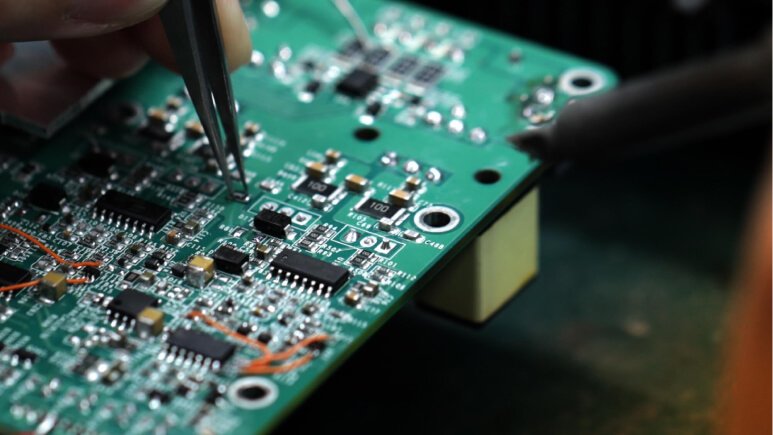
Common Challenges in Electronic System Integration
Interface Mismatches and Signal Integrity
One of the most frequent issues is mismatched voltage levels or incompatible communication protocols between modules. Signal integrity problems, such as crosstalk or noise, can also disrupt system operation. Careful interface definition and PCB layout practices help mitigate these risks.
Firmware-Hardware Synchronization
Timing mismatches between firmware and hardware can cause data loss or unexpected behavior. Synchronization issues often arise when integrating third-party modules or updating firmware late in the development cycle.
Regulatory Compliance and Localization
Products intended for global markets must comply with diverse regulatory standards and may require hardware or firmware adaptations for different regions. For guidance on adapting products for new markets, consult the electronic product localization considerations.
Leveraging External Expertise and Tools
Many teams benefit from partnering with experienced design and manufacturing firms to accelerate integration and avoid common pitfalls. For a comprehensive overview of industry best practices, the electronic design and manufacturing process explained by Technosoft Engineering provides valuable insights into managing complexity and ensuring product quality.
Frequently Asked Questions
What is the most critical step in integrating electronic systems?
The most crucial phase is requirements gathering and interface definition. Ensuring all modules are compatible and meet the project’s needs prevents costly rework later in the process.
How can I minimize integration risks in electronic product development?
Early prototyping, iterative testing, and maintaining thorough documentation are key strategies. Collaborating closely between hardware and software teams also helps resolve issues before they escalate.
Why is regulatory compliance important in system integration?
Compliance ensures your product meets legal and safety standards in target markets, reducing the risk of recalls or certification failures. Addressing compliance early streamlines the path to market and avoids last-minute surprises.
