


Understanding why electronic devices fail is crucial for manufacturers, engineers, and quality assurance teams. A systematic approach to analyzing failures not only helps resolve immediate issues but also improves future product reliability and customer satisfaction. This electronic product failure analysis guide provides a comprehensive overview of the process, tools, and best practices for identifying root causes and implementing effective corrective actions.
For those interested in related topics, the electronic product design performance testing guide offers insights into testing strategies that complement failure analysis efforts.
Why Failure Analysis Matters in Electronics
Failures in electronic products can result in costly recalls, damaged reputations, and even safety hazards. By performing a thorough investigation when issues arise, organizations can:
- Reduce warranty costs by preventing repeat failures
- Enhance product reliability and customer trust
- Comply with regulatory requirements for safety and quality
- Drive continuous improvement in design and manufacturing processes
Failure analysis is not just about fixing what’s broken; it’s about learning from each incident to build better, more robust products.
Key Steps in the Failure Analysis Process
A structured approach ensures that investigations are thorough and actionable. Below are the essential stages in any electronic product failure analysis workflow:
- Problem Definition: Clearly describe the failure, including symptoms, frequency, and conditions under which it occurs.
- Data Collection: Gather all relevant information—manufacturing records, operating environment, usage patterns, and customer feedback.
- Non-Destructive Testing (NDT): Use visual inspection, X-ray, or acoustic microscopy to examine the product without causing further damage.
- Destructive Testing: If needed, perform cross-sectioning, chemical analysis, or other invasive techniques to reveal hidden defects.
- Root Cause Analysis: Apply methods like the “5 Whys,” Fishbone diagrams, or Fault Tree Analysis to trace the problem to its origin.
- Corrective Actions: Develop and implement solutions to eliminate the root cause and prevent recurrence.
- Documentation and Reporting: Record findings, actions taken, and lessons learned for future reference.

Common Causes of Electronic Product Failures
Failures can stem from a wide range of sources. Understanding these typical culprits helps teams focus their investigations:
- Component Defects: Issues with semiconductors, capacitors, or connectors due to manufacturing flaws or substandard materials.
- Design Errors: Inadequate thermal management, poor PCB layout, or insufficient tolerance for voltage/current variations.
- Environmental Stress: Exposure to moisture, dust, vibration, or extreme temperatures can degrade performance over time.
- Manufacturing Process Issues: Soldering defects, contamination, or improper assembly techniques.
- User-Induced Damage: Incorrect installation, mishandling, or use outside specified parameters.
Recognizing these patterns early can significantly speed up the analysis and resolution process.
Essential Tools and Techniques for Failure Investigation
Modern failure analysis relies on a combination of traditional and advanced tools. Some of the most widely used include:
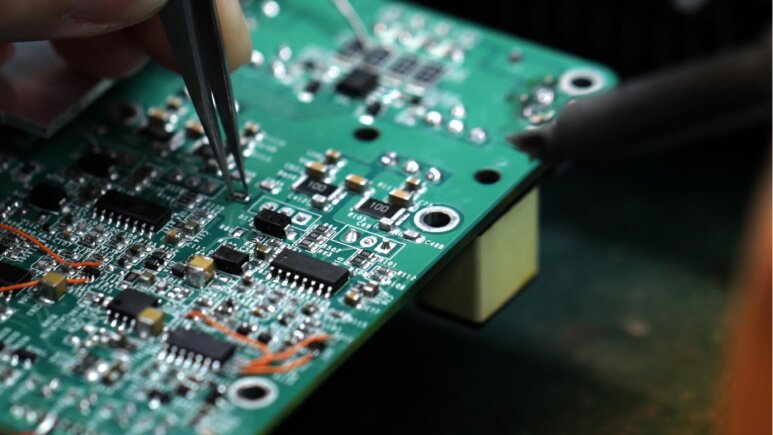
- Visual Inspection: Microscopes and magnifiers help spot cracks, corrosion, or soldering issues.
- X-ray Imaging: Reveals hidden defects such as voids in solder joints or internal component damage.
- Scanning Electron Microscopy (SEM): Provides high-resolution images of surfaces and can be paired with Energy Dispersive X-ray Spectroscopy (EDS) for material analysis.
- Thermal Imaging: Detects hotspots indicating electrical shorts or excessive current draw.
- Electrical Testing: Multimeters, oscilloscopes, and logic analyzers help diagnose circuit-level issues.
Choosing the right combination of techniques depends on the failure mode and the product’s complexity.
Integrating Failure Analysis with Product Lifecycle Management
Effective failure analysis should be woven into the entire product lifecycle, from initial design to end-of-life. By doing so, organizations can:
- Feed lessons learned back into the design process to avoid repeating mistakes
- Refine manufacturing and quality control procedures
- Improve after-sales support and reduce downtime for end users
For a deeper look at lifecycle considerations, see the electronic product lifecycle cost analysis resource.
Best Practices for Preventing Recurring Failures
While root cause identification is vital, preventing similar issues in the future is the ultimate goal. Consider these best practices:
- Robust Design Reviews: Involve cross-functional teams to catch potential weaknesses early.
- Supplier Quality Management: Audit and qualify suppliers to ensure consistent component quality.
- Environmental and Stress Testing: Simulate real-world conditions to validate durability before mass production.
- Continuous Training: Keep engineering and manufacturing teams updated on the latest standards and techniques.
- Documented Procedures: Standardize analysis and reporting to ensure consistency across teams and projects.
Integrating these practices into your quality management system can significantly reduce the incidence of failures and improve overall product performance.
Leveraging External Resources and Expertise
Sometimes, in-house capabilities may not be sufficient for complex investigations. Collaborating with third-party labs or consultants can provide access to specialized equipment and expertise. For additional insights into design and manufacturing considerations, visit this comprehensive overview of electronic design and manufacturing best practices.
FAQ: Electronic Product Failure Analysis
What is the main objective of failure analysis in electronics?
The primary goal is to identify the underlying cause of a product malfunction, enabling corrective actions that prevent recurrence and improve reliability.
Which tools are most effective for diagnosing electronic failures?
Commonly used tools include microscopes, X-ray machines, scanning electron microscopes, and electrical test equipment. The choice depends on the nature of the failure and the product’s complexity.
How can companies reduce the risk of future failures?
By implementing robust design reviews, supplier quality management, environmental testing, and thorough documentation, organizations can minimize the likelihood of repeated issues.
Are there industry standards for electronic failure analysis?
Yes, several standards such as IPC-A-610 and JEDEC guidelines provide frameworks for quality and reliability in electronics manufacturing and analysis.
