

The integration of sensors into modern electronic devices has transformed the way technology interacts with the physical world. From smartphones and wearable gadgets to industrial automation and automotive systems, sensors play a crucial role in collecting data, enabling automation, and enhancing user experiences. Understanding how sensors are integrated into electronics is essential for engineers, designers, and anyone interested in the evolution of smart technology.
This article explores the fundamental methods, challenges, and best practices for embedding sensors into electronic products. For a deeper dive into related topics, such as the selection of PCB materials and mechanical integration, refer to the electronic product design pcb material selection guide.
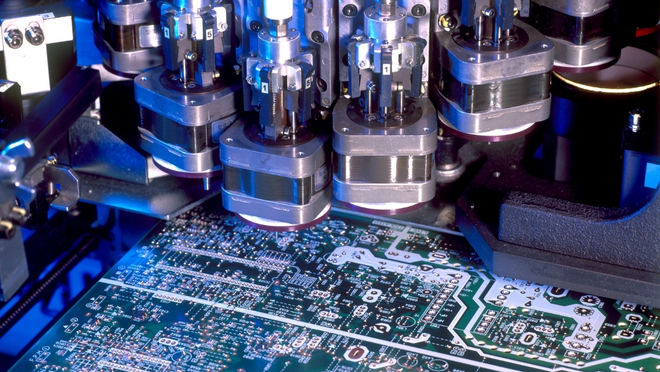
Understanding Sensor Integration in Electronic Devices
At its core, sensor integration involves embedding components that detect physical or environmental changes—such as temperature, pressure, motion, or light—into electronic circuits. These components convert real-world phenomena into electrical signals, which are then processed by microcontrollers or processors. The data collected can be used for monitoring, control, automation, or user feedback.
The process of incorporating sensors into electronics requires careful consideration of both hardware and software aspects. The sensor must be compatible with the device’s circuitry, power requirements, and intended function. Additionally, the placement and calibration of sensors are critical to ensure accurate and reliable data collection.
Types of Sensors Commonly Used in Electronics
A wide range of sensors are available for integration, each designed to measure specific variables. Some of the most common types include:
- Temperature sensors (e.g., thermistors, RTDs) for climate control and safety systems.
- Motion sensors (e.g., accelerometers, gyroscopes) for smartphones, gaming devices, and robotics.
- Light sensors (e.g., photodiodes, phototransistors) for automatic brightness adjustment and optical devices.
- Pressure sensors for industrial automation, automotive, and medical equipment.
- Proximity sensors for touchless interfaces and security systems.
- Humidity sensors for environmental monitoring and HVAC systems.

Key Methods for Embedding Sensors in Electronic Systems
The approach to integrating sensors depends on the device’s design, intended use, and manufacturing process. Here are several common methods:
Direct PCB Mounting
Many sensors are designed to be directly mounted onto printed circuit boards (PCBs). Surface-mount technology (SMT) allows for compact placement, while through-hole mounting is used for larger or more robust components. The choice of PCB material and layout is critical for signal integrity and sensor performance. For more on PCB design, the PCB basics tutorial provides a comprehensive overview.
Modular Integration
In some cases, sensors are integrated as separate modules connected via headers, cables, or wireless interfaces. This approach allows for easier replacement, upgrades, or customization. Modular integration is common in prototyping, industrial equipment, and IoT devices.
Embedded System-on-Chip (SoC) Solutions
For compact devices, sensors may be embedded within a system-on-chip, combining sensing, processing, and communication functions in a single package. This method is prevalent in smartphones, wearables, and advanced automotive electronics.

Design Considerations for Sensor Integration
Successfully embedding sensors into electronic products requires attention to several design factors:
- Signal integrity: Proper routing, shielding, and filtering are necessary to minimize noise and interference.
- Power management: Sensors may require specific voltage levels or low-power operation, especially in battery-powered devices.
- Mechanical placement: The sensor’s position affects its accuracy and sensitivity. For example, temperature sensors should be isolated from heat-generating components, while motion sensors need stable mounting.
- Environmental protection: Sensors may need encapsulation or conformal coating to protect against moisture, dust, or vibration.
- Calibration and testing: Each sensor must be calibrated during manufacturing to ensure reliable operation. Ongoing performance testing is also recommended, as outlined in the electronic product design performance testing guide.
Challenges and Solutions in Sensor Integration
Integrating sensors into electronics is not without its challenges. Common issues include electromagnetic interference, physical space constraints, and compatibility with existing circuitry. To address these, designers often use shielding techniques, optimize PCB layouts, and select sensors with digital outputs to reduce analog signal degradation.
Another challenge is ensuring that sensors remain accurate over time. Environmental factors, component aging, and mechanical stress can affect sensor performance. Regular calibration, robust mechanical design, and the use of high-quality components help mitigate these risks.
Applications and Future Trends in Sensor-Enabled Electronics
The use of sensors in electronics continues to expand across various industries:
- Consumer electronics: Smartphones, fitness trackers, and smart home devices rely on sensors for user interaction and automation.
- Automotive: Advanced driver-assistance systems (ADAS), airbag deployment, and tire pressure monitoring all depend on sensor integration.
- Industrial automation: Sensors enable predictive maintenance, process control, and safety monitoring in manufacturing environments.
- Healthcare: Medical devices use sensors for patient monitoring, diagnostics, and drug delivery systems.
Looking ahead, trends such as miniaturization, wireless connectivity, and artificial intelligence are shaping the next generation of sensor-enabled devices. The integration process will continue to evolve, with greater emphasis on energy efficiency, data security, and seamless connectivity.
For those involved in global product launches, understanding regional requirements is also important. The electronic product localization considerations article offers insights into adapting sensor-enabled electronics for different markets.
Best Practices for Successful Sensor Integration
- Start with a clear understanding of the application requirements and environmental conditions.
- Select sensors that are compatible with the device’s electrical and mechanical design.
- Prioritize signal integrity and power management in the PCB layout.
- Plan for calibration and testing throughout the product lifecycle. For detailed cost analysis, see the electronic product lifecycle cost analysis guide.
- Document sensor specifications and integration processes for future maintenance and upgrades.
FAQ
What are the most important factors to consider when integrating sensors into electronics?
Key factors include signal integrity, power requirements, mechanical placement, environmental protection, and calibration. Each of these ensures that the sensor operates accurately and reliably within the device.
How do designers choose the right sensor for a specific application?
Designers evaluate the type of measurement needed, required accuracy, environmental conditions, power consumption, and compatibility with the device’s circuitry. They also consider the sensor’s size, cost, and ease of integration.
Can sensors be added to existing electronic products?
In some cases, sensors can be retrofitted using modular components or external modules. However, adding sensors to existing designs may require modifications to the PCB, firmware, or mechanical housing to ensure proper operation and data integration.
