


Understanding the different varieties of flux is essential for anyone involved in electronics assembly, soldering, or PCB manufacturing. Flux plays a crucial role in ensuring strong, reliable electrical connections by removing oxides and contaminants from metal surfaces during soldering. This guide offers a comprehensive overview of the main categories, their properties, and how to select the right option for specific applications.
For those interested in a deeper dive into related manufacturing topics, the electronic product design performance testing guide provides valuable insights into ensuring quality and reliability in electronic assemblies.
What Is Flux and Why Is It Important?
Flux is a chemical cleaning agent used in the process of soldering electronic components. Its primary purpose is to remove oxidation from metal surfaces, promote wetting, and help the solder flow smoothly to create strong joints. Without flux, soldering would be inconsistent, and connections could become unreliable due to poor adhesion or trapped contaminants.
In electronics manufacturing, the choice of flux affects not only the quality of the solder joint but also the efficiency of the assembly process and the long-term reliability of the product. Selecting the appropriate type is therefore a key step in both manual and automated soldering.
Categories of Flux Used in Electronics
There are several main categories of flux, each with distinct characteristics and best-use scenarios. The most common types include:
- Rosin-based fluxes
- Water-soluble (organic acid) fluxes
- No-clean fluxes
- Inorganic fluxes
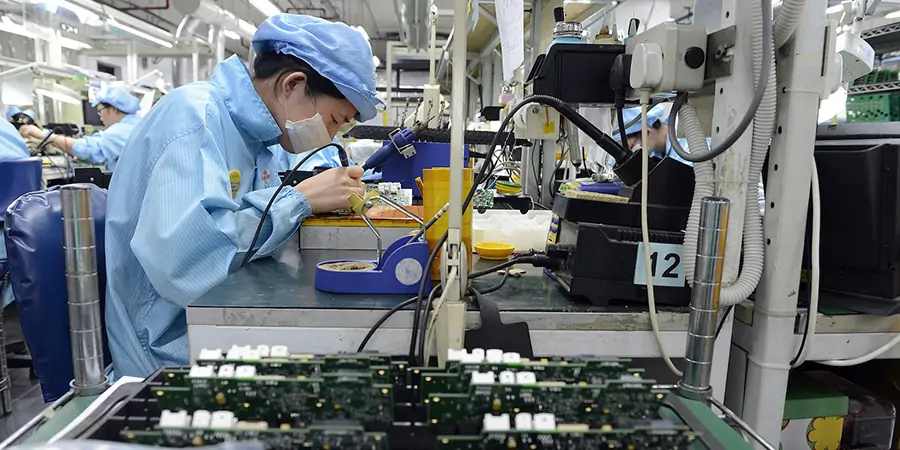
Rosin-Based Fluxes: Traditional and Reliable
Rosin-based fluxes are derived from natural pine resin and have been widely used for decades. They are available in several formulations:
- Pure rosin flux: Contains only refined resin, suitable for clean, oxide-free surfaces.
- Activated rosin (RA): Includes additives to improve cleaning power, ideal for surfaces with moderate oxidation.
- Mildly activated rosin (RMA): Balances cleaning strength and residue, commonly used in consumer electronics.
Rosin-based options are valued for their effective cleaning and good solderability. However, they tend to leave behind residues that may require cleaning, especially in high-reliability applications.
Water-Soluble Fluxes: Easy Cleaning and High Activity
Water-soluble fluxes, also known as organic acid fluxes, are formulated for strong cleaning action and easy post-soldering removal. These fluxes are typically made from glycol bases and organic acids, making them highly effective at removing oxides and contaminants.
The main advantage of water-soluble types is that residues can be easily washed away with water, reducing the risk of corrosion or electrical leakage. This makes them popular in industries where post-solder cleaning is part of the process, such as high-reliability electronics and medical devices.
No-Clean Fluxes: Minimal Residue for Streamlined Production
No-clean fluxes are engineered to leave behind minimal, non-corrosive residue that does not require cleaning under normal conditions. These are typically used in high-volume manufacturing environments where cleaning steps are costly or impractical.
While convenient, no-clean options require careful process control. Excessive application or insufficient heating can result in visible residue or weak joints. For most consumer electronics, no-clean fluxes offer a good balance of performance and efficiency.
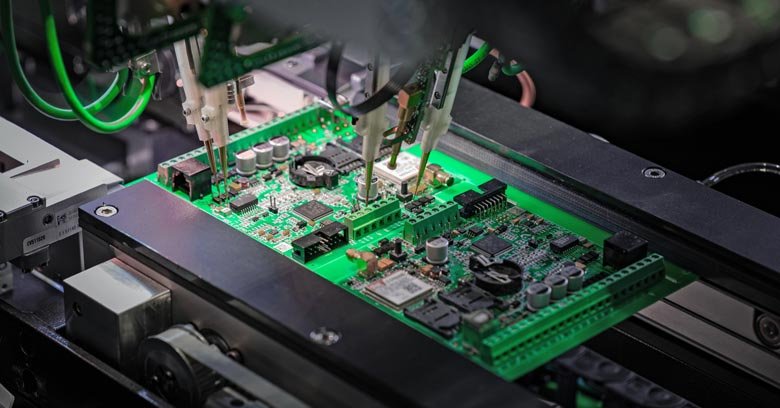
Inorganic Fluxes: Specialized for Challenging Applications
Inorganic fluxes, often based on ammonium chloride or zinc chloride, are used for soldering metals that are difficult to join, such as stainless steel or nickel alloys. These fluxes are highly active and can remove tough oxides, but they are generally not suitable for electronic assemblies due to their corrosive nature.
Because of their aggressive action, inorganic fluxes are mostly reserved for plumbing, metalwork, or industrial soldering tasks outside of sensitive electronics.
Choosing the Right Flux for Your Application
Selecting the proper flux depends on several factors:
- Type of metals being joined
- Required reliability and cleanliness
- Post-soldering cleaning processes
- Manufacturing environment (manual vs. automated)
For most PCB assembly, rosin-based and no-clean fluxes are preferred due to their balance of cleaning power and ease of use. Water-soluble options are ideal when thorough cleaning is possible and high reliability is required. Inorganic fluxes should be avoided in electronics unless absolutely necessary.
For a broader perspective on electronics manufacturing processes and how flux selection fits into the bigger picture, you can refer to this comprehensive overview of the electronics manufacturing process.
Flux Form Factors and Application Methods
Flux is available in several physical forms to suit different production needs:
- Liquid flux: Applied by brush, spray, or automated dispensing systems.
- Paste flux: Used for surface mount technology (SMT) and rework.
- Flux-cored solder wire: Contains flux inside the solder, simplifying manual soldering.
- Gel flux: Offers precise application for repair or touch-up work.
The choice of form factor depends on the assembly process, component density, and whether the process is manual or automated.
Residue Management and Cleaning Considerations
Residue left by flux can impact the long-term performance of electronic assemblies. While some types are designed to be left in place, others must be removed to prevent corrosion or electrical leakage. Cleaning methods include:
- Water cleaning: Used for water-soluble fluxes, often with deionized water and agitation.
- Solvent cleaning: Required for rosin-based residues, using isopropyl alcohol or specialized solvents.
- No-clean approaches: Rely on minimal residue, but visual inspection is still important.
Proper residue management is especially critical in high-reliability sectors such as aerospace, automotive, and medical electronics.
Common Challenges and Best Practices
Even with the right flux, challenges can arise during soldering. Some best practices include:
- Store flux in sealed containers to prevent contamination and evaporation.
- Apply only the necessary amount to avoid excess residue.
- Use appropriate temperatures to activate the flux and ensure complete solder flow.
- Inspect joints for cleanliness and strength after soldering.
Consistently following these practices helps achieve reliable, high-quality solder joints and minimizes rework.
Related Considerations in Electronics Manufacturing
Flux selection is just one aspect of building reliable electronic products. Other factors, such as electronic product design pcb material selection and mechanical integration, also play a significant role in overall product performance and manufacturability.
Frequently Asked Questions
What is the main purpose of flux in soldering?
The primary function of flux is to remove oxides from metal surfaces, promote wetting, and help solder flow smoothly, resulting in strong and reliable electrical connections.
Do all types of flux require cleaning after soldering?
Not all fluxes require cleaning. No-clean varieties are designed to leave minimal, non-corrosive residue, while water-soluble and rosin-based fluxes often need to be cleaned to prevent corrosion or electrical issues.
How do I choose the right flux for my project?
Consider the metals being joined, the need for post-solder cleaning, the reliability requirements, and the manufacturing environment. For most electronics, rosin-based or no-clean fluxes are suitable, while water-soluble types are best when thorough cleaning is possible.
