

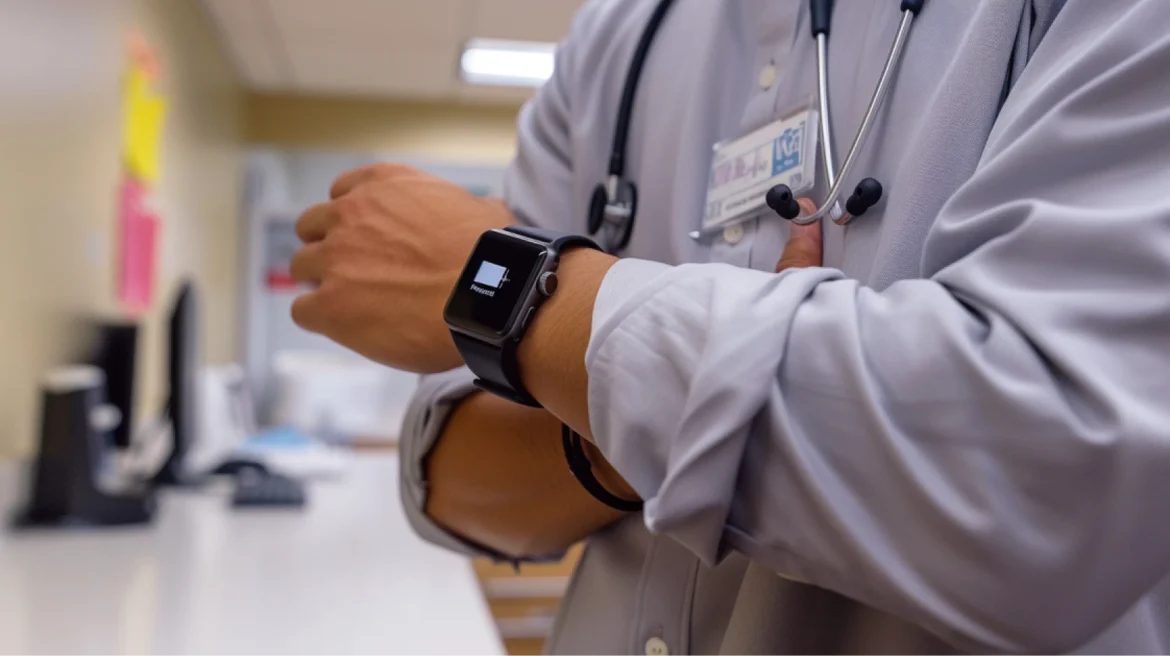
The applications of wearable technology have rapidly expanded over the past decade, moving far beyond simple step counters and fitness trackers. Today, these devices are integrated into daily routines, workplaces, healthcare, and even entertainment, offering practical solutions and real-time data that enhance both convenience and safety. As the technology matures, its influence is seen in how we monitor health, communicate, and interact with our environment.
For businesses and product designers, understanding the diverse roles of wearables is crucial. If you’re interested in how these devices fit into broader product development and integration, the electronic product mechanical integration guide provides valuable insights into aligning wearable tech with other electronic systems.
Everyday Uses of Smart Wearables
Modern smart wearables are designed for daily convenience. Devices like smartwatches, fitness bands, and wireless earbuds have become commonplace, offering features that go beyond telling time or playing music. These gadgets track physical activity, monitor sleep patterns, and provide notifications, helping users stay connected and informed throughout the day.
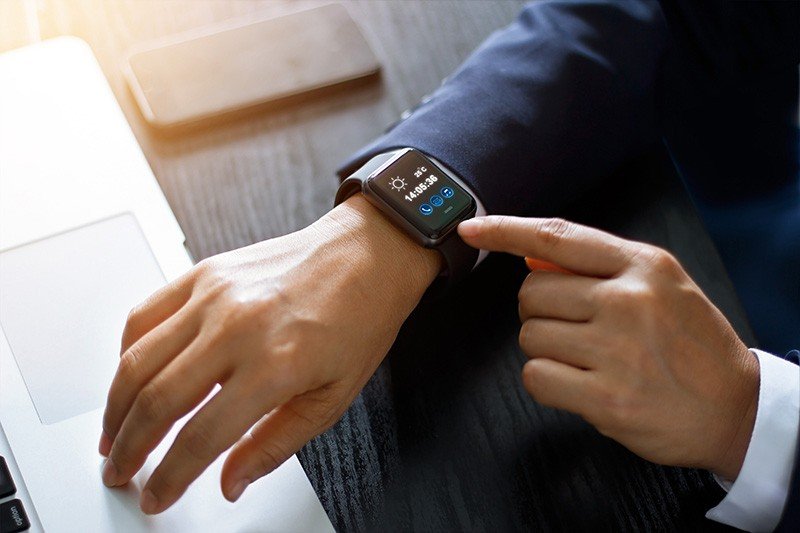
The integration of voice assistants and contactless payment systems further extends the utility of these devices. With a simple tap or voice command, users can make purchases, set reminders, or control smart home devices, streamlining everyday tasks and improving efficiency.
Healthcare and Medical Monitoring
One of the most impactful applications of wearable technology is in the healthcare sector. Wearables are now essential tools for tracking vital signs, detecting irregularities, and supporting chronic disease management. Devices such as smartwatches and medical-grade sensors can monitor heart rate, blood oxygen levels, and even detect falls, providing timely alerts to users and caregivers.
For patients with conditions like diabetes or hypertension, continuous monitoring through wearables enables proactive care and early intervention. Some devices can transmit data directly to healthcare providers, supporting remote consultations and reducing the need for frequent in-person visits.
The use of wearables in rehabilitation and elderly care is also growing. Fall detection sensors and emergency alert systems offer peace of mind for families and caregivers, ensuring help is available when needed.
Wearable Tech in the Workplace
Beyond personal use, wearable devices are transforming professional environments. In industries such as manufacturing, logistics, and construction, smart helmets, safety vests, and augmented reality glasses enhance worker safety and productivity. These tools can monitor environmental conditions, provide hands-free access to instructions, and track worker location to prevent accidents.
In offices, wearables can help monitor employee wellness, encourage movement, and even facilitate secure access to buildings or sensitive areas. By integrating with enterprise systems, these devices support data-driven decision-making and streamline operations.
Sports, Fitness, and Performance Enhancement
Fitness enthusiasts and athletes have embraced wearables for their ability to deliver detailed performance metrics. Advanced devices measure heart rate variability, track GPS routes, and analyze workout intensity, enabling users to optimize training and recovery. Coaches and sports scientists use this data to tailor programs and reduce injury risks.
Wearable sensors are also used in team sports to monitor player workload and prevent overtraining. This technology supports both amateur and professional athletes in achieving their goals more safely and effectively.
Emerging Trends and Future Potential
The future of wearable technology in real-world applications is promising, with innovations like smart textiles, implantable sensors, and augmented reality interfaces on the horizon. These advancements will likely expand the role of wearables in areas such as mental health monitoring, personalized medicine, and immersive entertainment.
As more devices become interconnected, the potential for seamless data sharing and integration with other technologies will grow. For those interested in a deeper technical dive, this comprehensive overview of wearable technology explores the engineering and scientific foundations behind these innovations.
Challenges and Considerations
Despite their benefits, wearables present challenges related to privacy, data security, and user comfort. Ensuring that sensitive health and location data remains protected is a top priority for manufacturers and users alike. Battery life, device durability, and interoperability with other systems are also important considerations for widespread adoption.
For businesses developing new products, understanding these challenges is essential. Insights from resources like the electronic product design performance testing guide can help address these concerns during the design and testing phases.
FAQ
What are the most common uses for wearable devices today?
The most widespread uses include health and fitness tracking, sleep monitoring, contactless payments, and receiving notifications. In professional settings, wearables are used for safety monitoring, access control, and productivity enhancement.
How do wearables improve healthcare outcomes?
By providing continuous monitoring of vital signs and activity, wearables enable early detection of health issues, support chronic disease management, and facilitate remote consultations. This leads to more proactive and personalized care.
What should businesses consider when integrating wearable technology?
Key considerations include data privacy, device compatibility, user comfort, and the specific needs of the target audience. It’s also important to plan for regular updates and support to ensure long-term usability and security.
