


Bringing an electronic product to market involves more than just innovative design and efficient manufacturing. Ensuring that devices are safe, reliable, and function as intended is critical for both regulatory compliance and customer satisfaction. This is where electronic product testing methods play a vital role. By systematically evaluating products through various testing procedures, manufacturers can identify potential issues early, reduce the risk of failures, and meet industry standards.
Understanding the different approaches to testing electronics helps businesses streamline development, minimize costly recalls, and build trust with end users. This article explores the most important testing strategies, their purposes, and how they are applied throughout the product lifecycle.
For a deeper dive into performance validation, the electronic product design performance testing guide offers additional insights into ensuring products meet functional expectations.
Why Testing Is Essential in Electronics Development
Testing is a cornerstone of quality assurance in electronics. It helps manufacturers detect design flaws, manufacturing defects, and potential safety hazards before products reach consumers. Regulatory bodies often require specific tests to ensure compliance with safety, electromagnetic compatibility (EMC), and environmental standards.
- Risk reduction: Early identification of issues prevents costly recalls and warranty claims.
- Compliance: Meeting international and regional standards is mandatory for market access.
- Customer trust: Reliable products enhance brand reputation and customer loyalty.
- Continuous improvement: Feedback from testing informs future product iterations and design improvements.
Types of Electronic Product Testing Methods
There are several categories of tests used throughout the development and production of electronic devices. Each serves a unique purpose and is applied at different stages of the product lifecycle.
Functional Testing for Electronics
Functional tests verify that a device performs its intended operations under normal conditions. This includes checking input/output responses, user interface behavior, and system integration. Automated test equipment (ATE) is commonly used to streamline this process and ensure consistency.

- Verifies correct operation of all features
- Detects software or firmware bugs
- Ensures proper communication between components
Environmental and Stress Testing
To ensure durability, products are subjected to environmental simulations such as temperature cycling, humidity exposure, vibration, and shock. These tests reveal how devices perform under harsh or fluctuating conditions, helping manufacturers predict long-term reliability.
- Thermal cycling: Exposes devices to extreme temperature changes to test material expansion and contraction.
- Humidity testing: Assesses resistance to moisture and potential for corrosion or short circuits.
- Vibration and shock: Simulates transportation and real-world handling stresses.
Safety and Regulatory Compliance Checks
Meeting safety and compliance requirements is non-negotiable for electronic products. Testing for electrical safety, electromagnetic compatibility, and hazardous material content is mandated by organizations such as UL, CE, FCC, and RoHS.
- Electrical safety: Checks for insulation integrity, grounding, and protection against electric shock.
- EMC/EMI testing: Ensures devices do not emit or are not susceptible to unwanted electromagnetic interference.
- RoHS and material testing: Confirms products are free from restricted hazardous substances.
Advanced Approaches in Electronic Product Evaluation
As technology evolves, so do the methods for evaluating electronics. Advanced techniques such as automated optical inspection (AOI), X-ray analysis, and in-circuit testing (ICT) provide deeper insights into product quality and assembly accuracy.
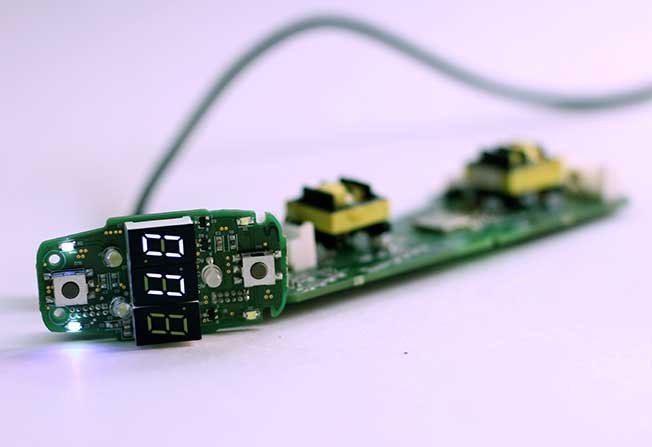
- AOI: Uses cameras and image processing to detect soldering defects and component misplacement.
- X-ray inspection: Reveals hidden faults such as solder voids or internal cracks not visible to the naked eye.
- ICT: Measures electrical properties at various points on a PCB to identify open circuits, shorts, or incorrect values.
Integrating Testing Throughout the Product Lifecycle
Effective quality assurance is not a one-time event. Integrating electronic product testing methods at every stage—from prototyping to mass production—ensures consistent performance and compliance. Early-stage tests focus on design validation and feasibility, while later stages emphasize manufacturing consistency and end-of-line checks.
- Design validation: Confirms that prototypes meet functional and regulatory requirements.
- Production testing: Ensures each unit meets quality standards before shipment.
- Field testing: Monitors product performance in real-world conditions after launch.
For more on optimizing the entire product journey, the electronic product lifecycle cost analysis guide provides strategies for balancing quality and cost-effectiveness.
Key Considerations When Choosing Testing Strategies
Selecting the right combination of testing approaches depends on factors such as product complexity, target markets, and regulatory requirements. Here are some important points to consider:
- Product application: Consumer, industrial, and medical devices may require different test protocols.
- Market regulations: Each region may have unique compliance standards that dictate specific tests.
- Production volume: High-volume manufacturing often benefits from automated testing to ensure scalability.
- Cost and time constraints: Balancing thoroughness with efficiency is essential for timely product launches.
For a broader perspective on the design and manufacturing process, this overview of electronic design and manufacturing best practices offers additional context on integrating testing into development workflows.
Common Challenges and Solutions in Product Testing
While testing is indispensable, it comes with its own set of challenges. Time constraints, evolving standards, and the complexity of modern electronics can complicate the process. However, several strategies help address these issues:
- Early planning: Incorporate testability into product design from the outset.
- Automation: Use automated systems to increase throughput and reduce human error.
- Continuous training: Keep engineering teams updated on the latest standards and testing technologies.
- Collaboration: Work closely with regulatory bodies and testing labs to stay ahead of compliance changes.
For those working on hardware integration, the electronic product mechanical integration guide highlights how mechanical and electrical testing intersect for robust product development.
Frequently Asked Questions
What are the most important electronic product testing methods for consumer devices?
For consumer electronics, the most critical tests include functional verification, safety checks (such as electrical insulation and shock protection), and EMC/EMI compliance. Environmental stress tests, like temperature and humidity cycling, are also essential to ensure reliability in everyday use.
How do manufacturers ensure compliance with international standards?
Manufacturers follow established protocols and partner with certified testing laboratories to perform required assessments. Documentation, traceability, and regular audits help ensure ongoing compliance with standards such as CE, UL, FCC, and RoHS.
Can testing be automated, and what are the benefits?
Yes, many testing processes can be automated using specialized equipment and software. Automation increases consistency, speeds up production, reduces human error, and enables large-scale testing for high-volume manufacturing.
Conclusion
Applying the right electronic product testing methods is essential for delivering safe, reliable, and compliant devices to market. By integrating a mix of functional, environmental, and advanced inspection techniques throughout the product lifecycle, manufacturers can minimize risks and ensure customer satisfaction. Staying informed about evolving standards and leveraging automation further strengthens quality assurance efforts in the fast-paced world of electronics.
