

In recent years, medical wearables have become a significant part of healthcare, transforming how people monitor their health and how professionals deliver care. These compact, sensor-equipped devices are designed to collect and transmit real-time health data from the body, enabling early detection, remote monitoring, and more personalized treatment. Understanding how medical wearables work is essential for anyone interested in modern healthcare, whether you’re a patient, caregiver, or healthcare provider.
As technology evolves, these devices are becoming more accurate and accessible. They range from fitness trackers and smartwatches to advanced biosensors that can detect subtle changes in vital signs. For those interested in the intersection of technology and wellness, exploring machine learning in wearables can provide deeper insights into how data from these devices is analyzed for better health outcomes.
Core Technologies Behind Medical Wearables
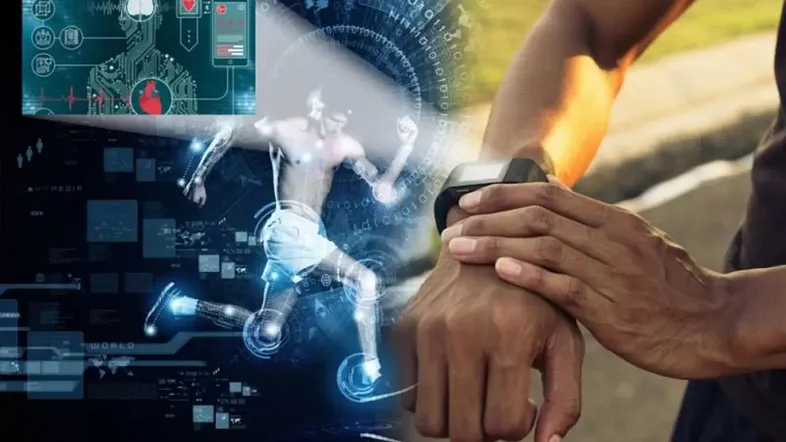
At the heart of these devices are several key technologies that enable them to capture, process, and transmit health data. Understanding these components is crucial to grasping the mechanics of how medical wearables work.
- Sensors: These are the primary components that detect physiological signals. Common sensors include photoplethysmography (PPG) for heart rate, accelerometers and gyroscopes for movement, and electrodermal activity sensors for stress or hydration levels.
- Microprocessors: These tiny computing units process data collected by sensors, running algorithms to interpret raw signals into meaningful health metrics.
- Wireless Connectivity: Technologies like Bluetooth, Wi-Fi, or cellular connections allow wearables to send data to smartphones, cloud platforms, or directly to healthcare providers.
- Power Sources: Most devices use rechargeable batteries designed for long life and safe skin contact.
How Data Is Collected and Processed
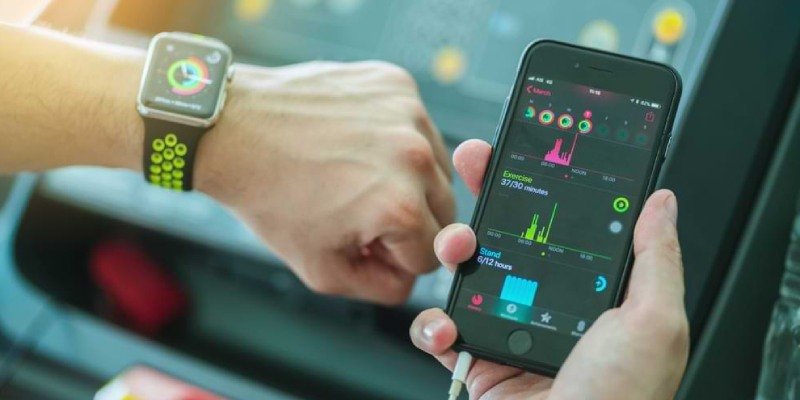
The process starts when sensors embedded in the wearable device detect signals from the body. For example, a smartwatch might use optical sensors to measure blood flow and calculate heart rate. Movement sensors track steps, posture, and activity levels. All this information is gathered continuously or at set intervals, depending on the device’s settings.
Once collected, the raw data is processed by the device’s microprocessor. Algorithms filter out noise and convert signals into readable health metrics, such as heart rate variability, sleep stages, or calorie expenditure. Many devices now incorporate how AI improves wearable devices by using artificial intelligence to enhance accuracy and provide personalized insights.
After processing, the data is transmitted wirelessly to a paired smartphone or cloud service. Users can view their health stats through dedicated apps, while healthcare professionals may access this information remotely for ongoing monitoring or intervention.
Types of Medical Wearables and Their Functions
There is a wide variety of wearable health devices, each designed for specific monitoring tasks. Here are some of the most common types:
- Fitness Trackers: Monitor steps, distance, calories burned, and sometimes heart rate. Popular for general wellness and activity tracking.
- Smartwatches: Offer more advanced features, including ECG, blood oxygen monitoring, and even fall detection.
- Continuous Glucose Monitors (CGMs): Used by people with diabetes to track blood sugar levels in real time.
- Wearable ECG Monitors: Provide detailed heart rhythm analysis for those at risk of cardiac events.
- Remote Patient Monitoring Devices: Used for chronic disease management, transmitting vital signs directly to healthcare teams.
Benefits and Challenges of Wearable Health Technology
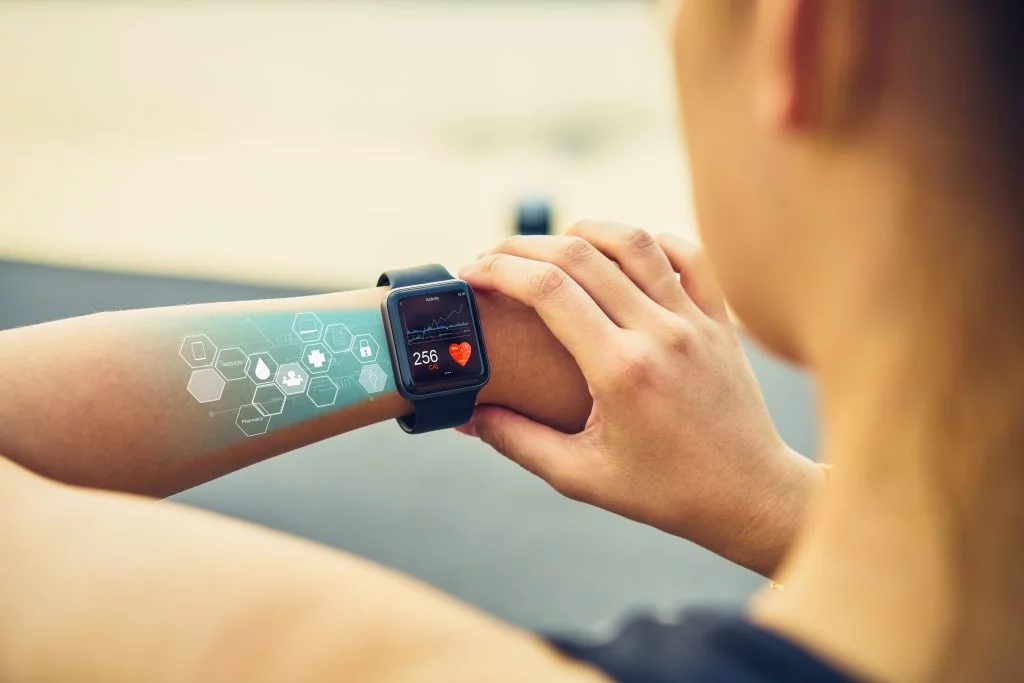
The adoption of wearable health devices offers numerous advantages, but also presents some challenges that users and healthcare providers should consider.
Advantages
- Continuous Monitoring: Enables early detection of health issues and supports proactive care.
- Remote Access: Facilitates telemedicine and reduces the need for frequent in-person visits.
- Personalized Insights: Devices can tailor recommendations based on individual health data and trends.
- Empowerment: Users gain greater control and understanding of their own health.
Challenges
- Data Privacy: Sensitive health data must be protected from unauthorized access.
- Accuracy: Consumer-grade devices may not always match clinical standards, especially in complex cases.
- Integration: Ensuring compatibility with healthcare systems and electronic health records can be complex.
- Cost and Accessibility: Advanced devices may be expensive or unavailable in some regions.
Emerging Trends in Wearable Medical Devices
The future of wearable health technology is rapidly evolving. New devices are being developed with enhanced sensors, improved battery life, and more sophisticated algorithms. For example, predictive analytics is becoming more common, allowing devices to forecast health risks before symptoms appear. To learn more about these advancements, see predictive analytics in wearables.
Additionally, the integration of machine learning and artificial intelligence is making these devices smarter and more adaptive. They can now detect subtle changes in health patterns and alert users or healthcare providers to potential issues. For those interested in broader applications, exploring regenerative living off-grid can reveal how wearable technology supports sustainable and independent lifestyles.
Innovations in materials and design are also making wearables more comfortable and less intrusive. Some companies are even developing smart clothing that embeds sensors directly into the fabric, as discussed in this overview of computer clothing technology.
FAQ: Common Questions About Medical Wearables
What types of data do medical wearables typically collect?
Most devices track vital signs such as heart rate, blood oxygen saturation, activity levels, sleep patterns, and sometimes more advanced metrics like ECG or blood glucose. The specific data depends on the device’s sensors and intended use.
How secure is the health data collected by these devices?
Security varies by manufacturer and device. Reputable brands use encryption and secure cloud storage to protect data. However, users should review privacy policies and take precautions, such as using strong passwords and keeping software updated.
Can wearable health technology replace regular doctor visits?
While wearables provide valuable information and support remote monitoring, they are not a substitute for professional medical advice or regular check-ups. They are best used as a supplement to traditional healthcare.
Are there risks associated with using medical wearables?
Most devices are safe when used as directed. Potential risks include inaccurate readings, data privacy concerns, and skin irritation from prolonged use. Always consult with a healthcare provider before relying on any device for medical decisions.
Conclusion
The evolution of wearable health technology is reshaping the healthcare landscape. By understanding the underlying technologies, data processing methods, and emerging trends, users and professionals can make informed decisions about integrating these tools into daily life and clinical practice. As innovation continues, the potential for improved health outcomes and more personalized care will only grow.
