

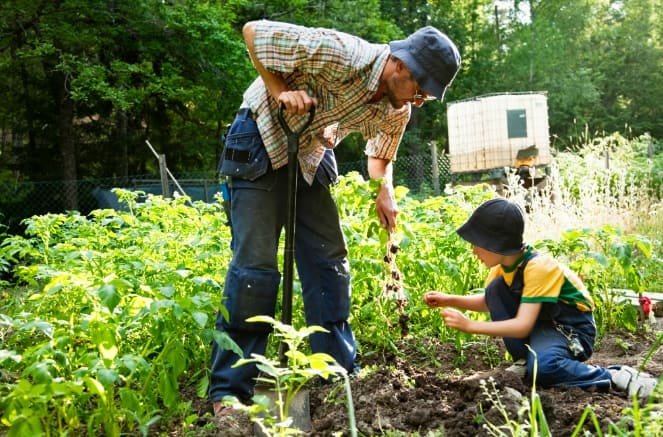
Building a self-sufficient homestead is an appealing goal for many people seeking independence, sustainability, and a closer connection to nature. Whether you dream of growing your own food, raising animals, or living off the grid, starting this journey can feel overwhelming. This guide is designed to help beginners understand the essential steps, skills, and resources needed to create a thriving, resilient homestead from the ground up.
Before diving into the practical aspects, it’s important to recognize that self-reliant living requires planning, patience, and a willingness to learn. By breaking down the process into manageable stages, you can steadily transform your land and lifestyle to achieve greater autonomy. If you’re interested in related technical topics, you might also find value in the electronic product design system integration guide, which covers systematic approaches to complex projects—an approach that’s also useful in homesteading.
Understanding the Foundations of a Self-Sufficient Property
At its core, a sustainable homestead is about meeting your basic needs—food, water, shelter, and energy—using your own resources as much as possible. The first step is to assess your land and climate. Consider the following:
- Water sources: Is there a well, stream, or rainwater catchment potential?
- Soil quality: Can you grow crops easily, or will you need to amend the soil?
- Sunlight and wind: These affect gardening, solar panels, and wind turbines.
- Local regulations: Check zoning laws and restrictions on livestock or building structures.
Once you understand your site, you can design a layout that maximizes efficiency and productivity. Many homesteaders use permaculture principles to create systems where plants, animals, and people support each other naturally.
Essential Skills for New Homesteaders
Developing practical skills is crucial for anyone starting out. Here are some of the most important areas to focus on:
- Gardening: Learn about soil preparation, crop rotation, seed saving, and pest management. Raised beds are a great way to start, especially if your soil is poor.
- Animal husbandry: Chickens, goats, and rabbits are popular choices for beginners. They provide eggs, milk, meat, and manure for composting.
- Food preservation: Canning, dehydrating, fermenting, and freezing help you store surplus produce for the off-season.
- Basic carpentry and repairs: Building sheds, fences, and simple structures saves money and increases independence.
- Alternative energy: Solar panels, wind turbines, and wood stoves can reduce reliance on external utilities.
Don’t feel pressured to master everything at once. Start with one or two skills, and expand as you gain confidence.

Planning Your Garden and Food Production
Growing your own fruits and vegetables is a cornerstone of any self-sufficient homestead. Start by mapping out your garden space and choosing crops that thrive in your region. Consider the following tips:
- Start small with a few raised beds or containers.
- Choose high-yield, easy-to-grow crops like tomatoes, beans, zucchini, and leafy greens.
- Incorporate perennial plants such as berries, asparagus, and fruit trees for long-term harvests.
- Practice succession planting to maximize your growing season.
Composting kitchen scraps and animal manure will enrich your soil and reduce waste. Over time, you’ll develop a rhythm that matches your family’s needs and your land’s capacity.
Raising Animals for Food and Sustainability
Adding livestock can greatly enhance your homestead’s productivity. Chickens are a popular first choice—they’re relatively easy to care for and provide eggs, meat, and natural pest control. Goats and rabbits are also manageable for beginners and can supply milk and meat. When planning for animals:
- Ensure you have secure housing and fencing to protect them from predators.
- Provide fresh water, quality feed, and regular health checks.
- Rotate pastures if possible to prevent overgrazing and disease.
Automated solutions, like smart coop doors, can make daily chores easier and give you peace of mind. For more ideas on integrating technology into your homestead, you might explore resources on system integration and reliability, such as the electronic product design reliability engineering basics guide.

Energy Independence and Off-Grid Living
Many people interested in a self-sufficient homestead aim to reduce or eliminate their reliance on public utilities. Solar panels, wind turbines, and micro-hydro systems are popular options for generating electricity. Wood stoves and passive solar design can provide heat. To get started:
- Calculate your energy needs and research which renewable sources are most practical for your location.
- Invest in energy-efficient appliances and LED lighting to reduce consumption.
- Consider backup systems, such as generators or battery banks, for cloudy days or emergencies.
Water independence is also key. Rainwater harvesting, greywater recycling, and efficient irrigation systems can help you make the most of available resources. For those interested in learning how to live off the grid with minimal financial investment, this comprehensive guide to off-grid living on a budget offers practical advice and inspiration.
Building Community and Continuous Learning
While self-reliance is the goal, no one achieves it entirely alone. Connecting with local farmers, gardeners, and homesteaders can provide valuable support, knowledge, and even bartering opportunities. Attend workshops, join online forums, and read books or blogs to keep learning.
Document your progress, celebrate small victories, and be prepared for setbacks. Every season brings new lessons. Over time, your homestead will become more productive, efficient, and resilient.
FAQ: Common Questions About Starting a Homestead
How much land do I need to start?
You don’t need dozens of acres to begin. Many people start with as little as a quarter-acre and gradually expand. Focus on maximizing what you have through intensive gardening and efficient use of space.
Is it expensive to become self-sufficient?
Initial costs can include tools, seeds, fencing, and basic infrastructure. However, many projects can be done incrementally, and you can repurpose materials or buy used equipment. Over time, producing your own food and energy can save money.
What if I have no experience with farming or animals?
Most homesteaders start as beginners. Take small steps, learn from mistakes, and seek out local mentors or online resources. Start with easy projects, such as a small vegetable garden or a few backyard chickens, and build from there.
Conclusion: Taking the First Steps Toward Self-Reliance
Embarking on the journey toward a more independent lifestyle is both rewarding and challenging. By focusing on foundational skills, planning carefully, and embracing a mindset of continuous learning, you can create a homestead that provides for your needs and enriches your life. Remember, every expert was once a beginner—start where you are, use what you have, and enjoy the process of becoming more self-sufficient.
