


Building a resilient and eco-friendly homestead is a goal for many who seek to live closer to nature and reduce their environmental impact. Applying permaculture principles can transform any property—large or small—into a thriving, self-sustaining ecosystem. These guidelines are rooted in observing natural patterns, maximizing resource efficiency, and fostering harmony between people, plants, animals, and the land itself.
Whether you are just starting out or looking to deepen your approach, understanding how to integrate these concepts into your daily routines and long-term planning is essential. This article explores the core ideas behind permaculture principles for homestead design, offering practical steps and real-world examples to help you create a more sustainable and productive home environment.
For those interested in a broader perspective on off-grid living and ecological design, the article on regenerative living off-grid provides additional insights into sustainable practices beyond the basics.
Understanding the Foundations of Permaculture
At its core, permaculture is about working with nature, not against it. The term combines “permanent” and “agriculture,” but its reach extends into all aspects of sustainable living. The framework is built on three ethical pillars:
- Earth Care: Protecting and enhancing the natural environment.
- People Care: Supporting community well-being and self-reliance.
- Fair Share: Redistributing surplus and limiting consumption to ensure resources for all.
These ethics guide every decision, from garden layout to water management and community engagement. By applying these values, homesteaders can create systems that are productive, regenerative, and adaptable to changing conditions.
Key Permaculture Principles for Homestead Design
There are twelve widely recognized principles that serve as a toolkit for anyone aiming to build a resilient homestead. Here’s how some of the most impactful ones can be put into practice:
Observe and Interact
Spend time watching how sunlight, wind, and water move across your land. Note which areas are shaded, where water pools after rain, and how wildlife interacts with your space. This observation phase is crucial for making informed decisions about where to plant, build, or install features.
Catch and Store Energy
Harnessing natural resources is a cornerstone of permaculture principles homestead design. Install rainwater catchment systems, use solar panels, and plant trees strategically to capture sunlight and wind. Storing energy—whether as water, heat, or food—ensures your homestead can weather dry spells or power outages.
Obtain a Yield
Every element of your homestead should provide something useful—food, fuel, fiber, or habitat. Plan gardens and animal systems so that they offer multiple benefits. For example, chickens can provide eggs, pest control, and fertilizer, while fruit trees offer shade, food, and wildlife habitat.
Apply Self-Regulation and Accept Feedback
Sustainable living requires ongoing adjustment. Monitor your systems, note what works, and be ready to adapt. If a garden bed isn’t thriving, experiment with new crops or soil amendments. Regularly reviewing your homestead’s performance helps you avoid waste and improve efficiency.
Design Strategies for a Productive Homestead
Thoughtful planning is essential to maximize productivity and minimize labor. Here are some strategies to incorporate permaculture principles into your property:
Zone Planning
Divide your land into zones based on how often you use or visit them. Place high-maintenance crops and animals close to your home, while less frequently accessed areas (like woodlots or orchards) can be farther away. This approach saves time and energy.
Stacking Functions
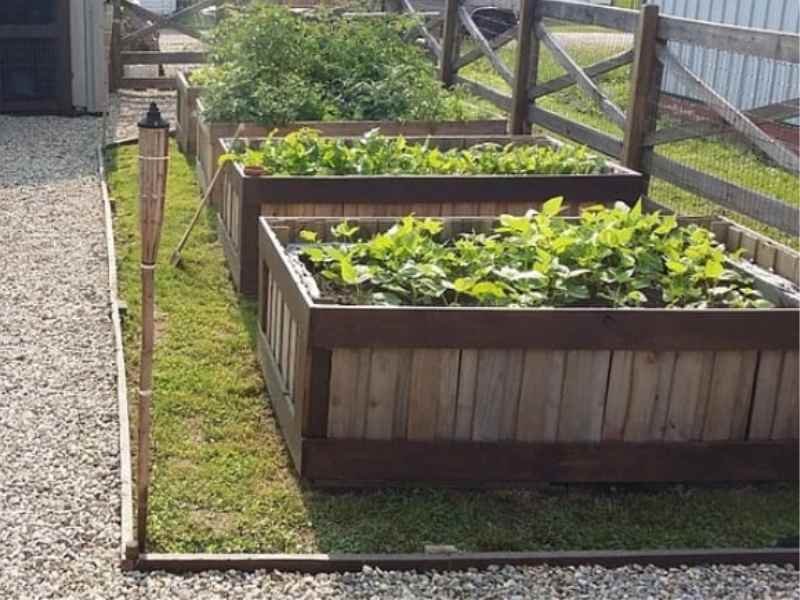
Each element should serve more than one purpose. A pond can provide water for irrigation, habitat for beneficial insects, and a cooling effect for nearby plants. Raised beds can improve drainage, reduce soil compaction, and make gardening more accessible.
Use and Value Diversity
Biodiversity increases resilience. Grow a variety of crops, raise different animal species, and encourage native plants. This diversity helps buffer your homestead against pests, disease, and weather extremes.
Integrate Rather Than Segregate
Design your systems so that plants, animals, and structures support each other. Companion planting, rotational grazing, and integrated pest management all help create a balanced, healthy environment.
Practical Examples of Permaculture in Action
Many homesteaders have successfully applied these concepts to create thriving, low-input systems. For example, using permaculture principles in garden design often means building raised beds from recycled materials, planting perennial food crops, and setting up rainwater harvesting systems.
Those interested in learning more about the basics of homesteading can find a helpful overview in this comprehensive guide to homesteading essentials. It covers foundational skills and considerations for anyone looking to start or improve their own self-sufficient lifestyle.
By starting small and focusing on one or two principles at a time, you can gradually transform your property into a more sustainable and productive space. Over time, these changes add up to a significant positive impact on your land, your well-being, and your community.
Frequently Asked Questions
What are the main benefits of applying permaculture to a homestead?
Adopting these design strategies leads to greater resource efficiency, improved soil health, reduced waste, and increased self-sufficiency. It also fosters biodiversity and creates a more resilient environment capable of adapting to change.
How can beginners start using permaculture principles?
Start by observing your property and identifying areas for improvement. Implement simple changes like composting, mulching, or planting native species. Gradually incorporate more complex systems as you gain experience and confidence.
Can permaculture be practiced on small properties or in urban settings?
Yes, these concepts are highly adaptable. Even a small yard or balcony can benefit from thoughtful design, container gardening, and resource conservation techniques. The key is to maximize the use of available space and resources.
