

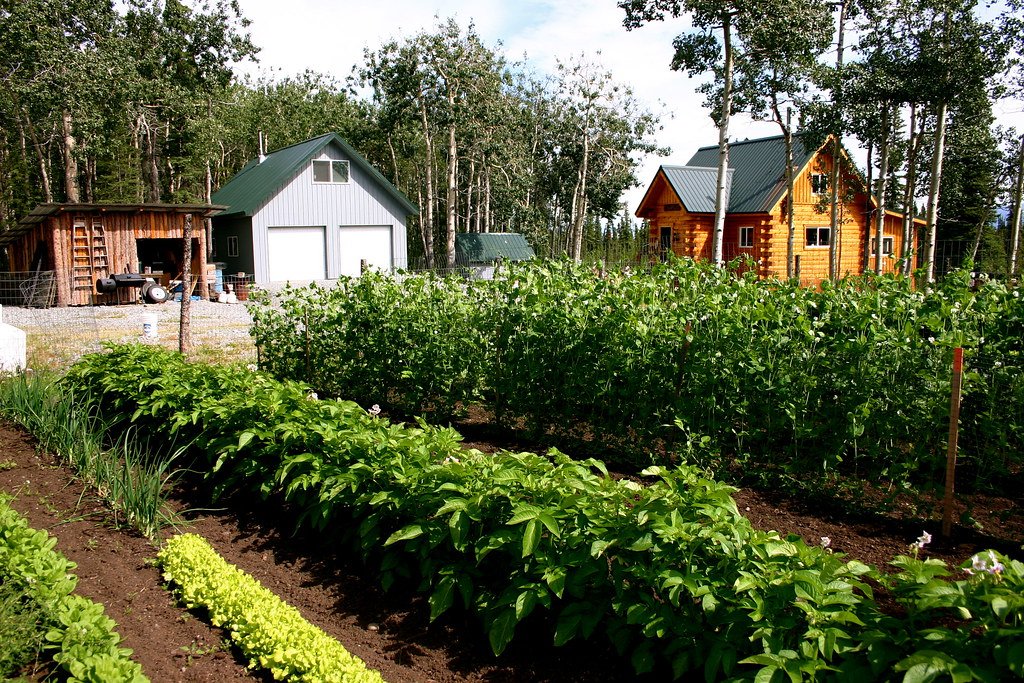
Building a truly sustainable off-grid lifestyle requires more than just disconnecting from public utilities. It’s about creating resilient systems for food, water, energy, and waste that support your household year-round. Whether you’re new to rural living or looking to optimize your setup, practical guidance can make all the difference. This article explores proven strategies for self-sufficiency, resource management, and long-term success on your land.
Before diving into the core principles, it’s important to avoid common pitfalls that can set back your progress. For a deeper look at what to watch out for, see mistakes new homesteaders make. Learning from others’ experiences can help you start strong and adapt quickly.
Essential Strategies for Off-Grid Living Success
Achieving off-grid homestead sustainability means designing systems that work together to meet your needs with minimal outside input. The following areas are crucial for a balanced, resilient homestead:
- Water security: Reliable sources and storage
- Food production: Gardens, orchards, and livestock
- Renewable energy: Solar, wind, or micro-hydro
- Waste management: Composting and recycling
- Resource conservation: Efficient use and reuse
Water Management for Self-Sufficiency
Water is the backbone of any off-grid property. Start by assessing your land’s natural resources—wells, springs, rain, or surface water. Install multiple collection and storage methods to ensure redundancy. Rainwater harvesting is a popular choice, but always filter and treat water for drinking.
Consider gravity-fed systems for irrigation and livestock, which reduce dependence on pumps. Insulate tanks and pipes in cold climates to prevent freezing. For more on adapting to unique environments, see tropical off-grid homesteading or off-grid homesteading in deserts.
Growing Food Year-Round
A productive garden is central to off-grid homestead sustainability tips. Focus on crops that thrive in your climate and can be preserved for winter. Raised beds, greenhouses, and cold frames extend the growing season and protect against pests.
Companion planting, crop rotation, and mulching help maintain soil health and reduce pests naturally. Save seeds from your best plants to build a resilient, locally adapted seed bank. If you’re new to gardening, start small and expand as you gain experience.
Fruit and nut trees provide perennial harvests and require less maintenance once established. Consider adding berry bushes and perennial vegetables for diversity and nutrition.
Integrating Livestock for a Closed-Loop System
Animals play a vital role in a sustainable homestead. Chickens, ducks, goats, and rabbits can supply eggs, meat, milk, and manure for compost. Choose breeds suited to your climate and available resources. Rotational grazing and mobile coops help manage pasture health and reduce parasite cycles.
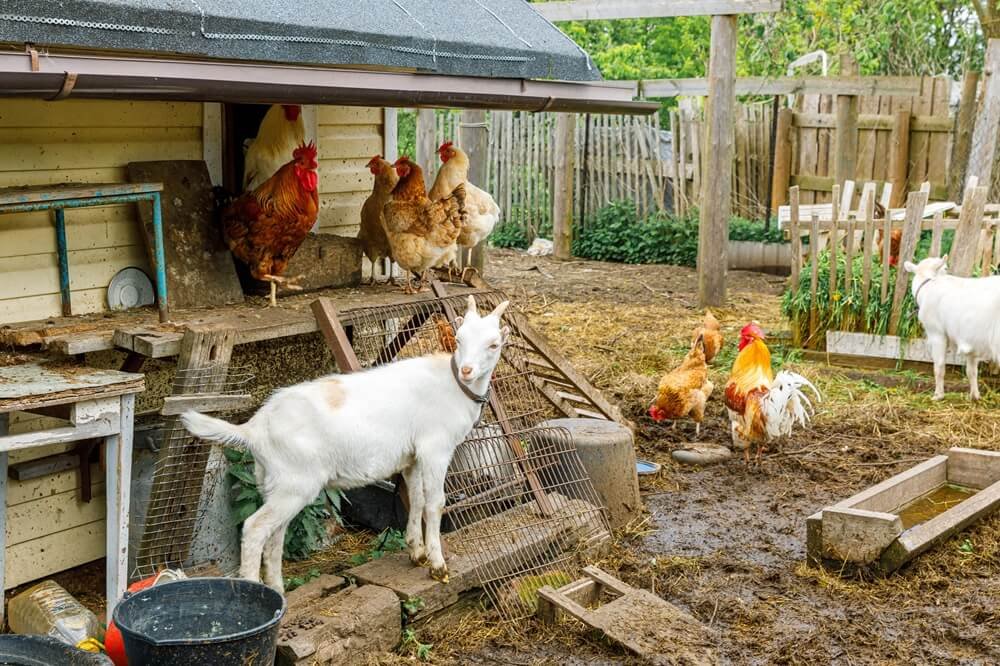
Manure from livestock can be composted and returned to the garden, closing the nutrient loop. Be sure to provide secure housing and predator protection, especially in remote areas. Automated feeders and waterers can save time and reduce labor.
Renewable Energy and Power Independence
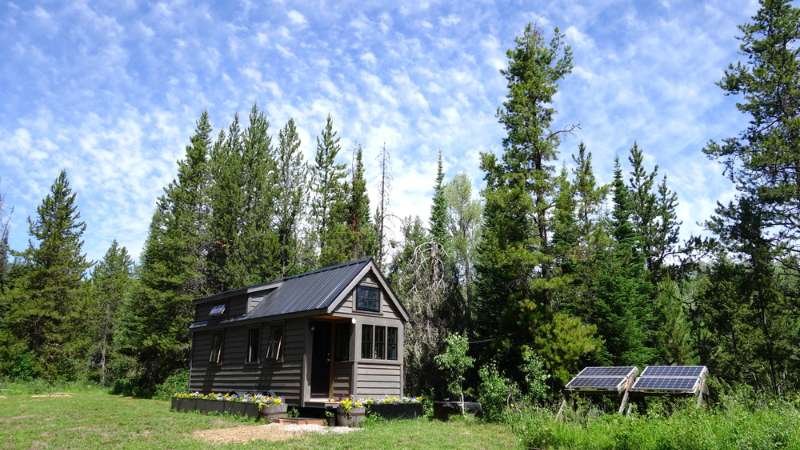
Generating your own electricity is a cornerstone of sustainable off-grid living. Solar panels are the most common choice, but wind turbines or micro-hydro systems may be viable depending on your site. Invest in quality batteries and an efficient inverter to store and use power as needed.
Reduce energy demand by choosing LED lighting, efficient appliances, and passive heating or cooling strategies. Backup generators can provide peace of mind, but prioritize renewables for daily needs. For a comprehensive overview of essential gear and planning, see this off-grid living essentials guide.
Waste Reduction and Resource Cycling
Managing waste responsibly is vital for both health and sustainability. Composting toilets, greywater systems, and traditional compost piles turn waste into valuable resources. Use kitchen scraps, animal bedding, and yard waste to build rich soil for your gardens.
Reuse materials whenever possible—old lumber, containers, and even broken tools can find new life with a bit of creativity. Minimizing what you bring onto the property reduces your environmental impact and dependence on outside sources.
Legal and Practical Considerations
Before making major investments, research local laws and regulations regarding off-grid living. Zoning, building codes, and water rights can all affect your plans. For more details, review can you live off-grid legally to ensure compliance and avoid costly surprises.
Document your systems and keep maintenance records. This not only helps with troubleshooting but also adds value if you ever sell your property.
Maintaining Resilience and Adapting Over Time
No system is perfect from the start. Regularly assess what’s working and where improvements can be made. Involve all household members in chores and planning to share knowledge and build skills.
Connect with other homesteaders for support and new ideas. Online forums, local groups, and workshops can provide valuable insights and troubleshooting help.
Frequently Asked Questions
What are the most important first steps for off-grid sustainability?
Focus on securing water, establishing a productive garden, and setting up basic renewable energy. These foundations support food security and daily comfort while you expand other systems.
How can I make my homestead more energy efficient?
Use energy-saving appliances, insulate your home, and design spaces for passive heating and cooling. Regularly monitor your usage and adjust habits to reduce waste.
Is it possible to live off-grid legally everywhere?
Laws vary widely by location. Some areas encourage self-sufficiency, while others have strict codes. Always check local regulations before starting your project. For more, see can you live off-grid legally.
Building a resilient, sustainable homestead is a journey of learning and adaptation. By focusing on practical systems and continual improvement, you can create a thriving off-grid life that meets your needs for years to come.
