

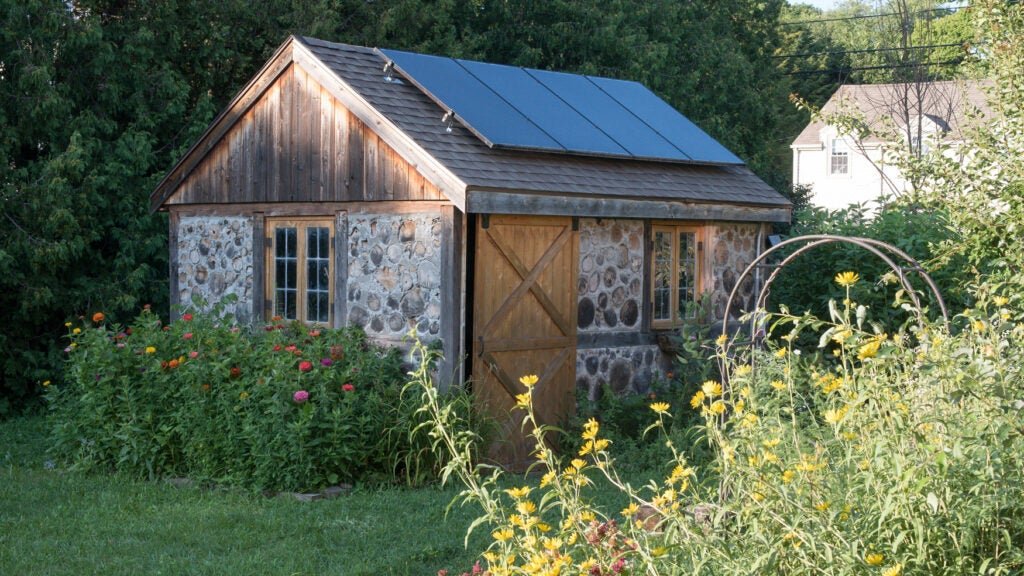
Starting an off-grid homestead is an exciting journey, but it can feel overwhelming without a clear plan. Understanding the off-grid homestead startup timeline helps beginners break the process into manageable steps, avoid costly mistakes, and set realistic expectations. Whether you dream of self-sufficiency, energy independence, or a simpler lifestyle, following a structured approach will help you turn your vision into reality.
This guide outlines the major phases and milestones for launching an off-grid homestead, from initial planning to your first harvest and beyond. Along the way, you’ll find practical tips, important considerations, and resources to help you make informed decisions. If you’re interested in how technology and systems integration can support your journey, check out our electronic product design system integration guide for insights on optimizing your setup.
Understanding the Phases of Your Off-Grid Journey
Every successful off-grid project follows a general sequence of steps. While each homestead is unique, most beginners will progress through these core phases:
- Research and Visioning
- Land Selection and Acquisition
- Site Assessment and Initial Setup
- Infrastructure Development
- Food Production and Livestock
- Ongoing Maintenance and Expansion
Let’s explore each stage in detail, with a focus on realistic timelines and actionable steps.
Phase 1: Research, Planning, and Goal Setting
The first step in any off-grid homestead startup timeline is thorough research. Take time to learn about off-grid living, local regulations, climate considerations, and the skills you’ll need. Set clear goals: Are you aiming for total self-sufficiency, or a hybrid approach? What is your budget and timeframe?
- Read books, watch videos, and connect with experienced homesteaders.
- Assess your family’s needs and preferences.
- Draft a rough plan and budget.
- Investigate local zoning laws and building codes.
This phase can take anywhere from a few weeks to several months, depending on your starting knowledge and how quickly you want to move forward.
Phase 2: Finding and Securing Land
Choosing the right property is foundational to your success. Consider factors such as water access, sunlight, soil quality, and proximity to resources. Visit multiple sites and consult with local experts before making a decision.
- Look for land with year-round water sources.
- Check for solar exposure and wind patterns for renewable energy.
- Test soil for gardening and building suitability.
- Negotiate purchase or lease terms.
This stage may take several months, especially if you’re searching in a competitive market or remote area.

Phase 3: Site Assessment and Initial Setup
Once you’ve secured your land, the next step is to assess the site and establish basic living conditions. This includes:
- Clearing access roads and building temporary shelter.
- Setting up water collection or well systems.
- Installing a basic off-grid power source (solar, wind, or generator).
- Planning for waste management and sanitation.
This phase typically takes 1–3 months, depending on weather, terrain, and available help. Prioritize safety and sustainability as you lay the groundwork for your homestead.
Phase 4: Building Core Infrastructure
With the essentials in place, focus shifts to permanent infrastructure. This is often the most labor-intensive and time-consuming part of the off-grid homestead startup timeline.
- Construct your main home or cabin using local materials if possible.
- Expand your renewable energy system for long-term needs.
- Install water filtration, storage, and distribution systems.
- Build outbarns, sheds, or workshops as needed.
Depending on your resources and design, this stage can take 6–18 months. Many homesteaders choose to complete projects in phases, adding new features each season.
Phase 5: Establishing Food Production and Livestock
Once your shelter and utilities are functional, it’s time to focus on food security. Start small and scale up as you gain experience:
- Prepare garden beds and plant your first crops.
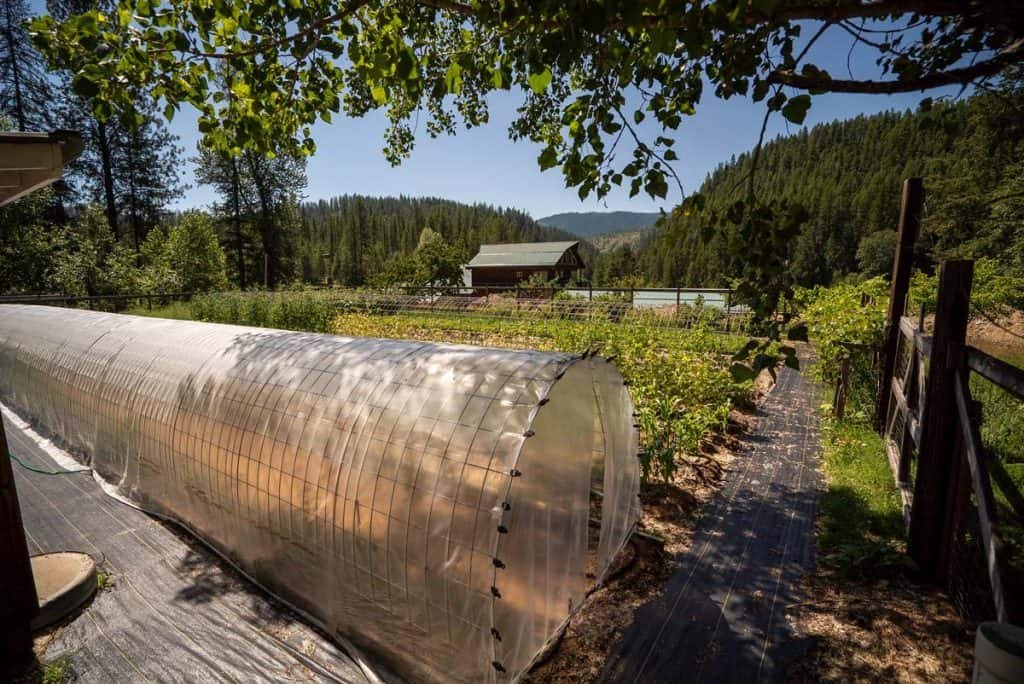
- Build a greenhouse or hoop house for season extension.
- Introduce chickens or other small livestock for eggs and meat.
- Learn about food preservation and storage.
Expect your first harvest within 3–6 months of planting, depending on climate and crop selection. Livestock will require ongoing care and infrastructure upgrades as your homestead grows.
Phase 6: Maintenance, Expansion, and Long-Term Success
After your first year, your focus will shift to maintaining systems, improving efficiency, and expanding your capabilities. This might include:
- Adding new gardens, orchards, or animal shelters.
- Upgrading energy and water systems for greater reliability.
- Experimenting with new crops or livestock breeds.
- Building community connections and sharing knowledge.
Homesteading is a lifelong learning process. Celebrate milestones, adapt to challenges, and continue refining your approach. For a deeper dive into the skills and mindset needed, see this comprehensive introduction to homesteading essentials.
Sample Timeline for a First-Year Off-Grid Project
| Month | Key Milestones |
|---|---|
| 1–2 | Research, planning, and land search |
| 3–4 | Land purchase, site assessment, temporary shelter |
| 5–7 | Basic utilities (water, power), initial garden setup |
| 8–12 | Build main home, expand food production, add livestock |
Remember, every project is different. Flexibility and patience are key to a successful transition.
Common Challenges and How to Overcome Them
Moving off-grid comes with unique hurdles. Here are some tips to navigate common issues:
- Budget overruns: Track expenses closely and prioritize must-have infrastructure first.
- Skill gaps: Take workshops, join online forums, and seek mentorship from experienced homesteaders.
- Weather delays: Build in extra time for construction and planting, especially in harsh climates.
- Isolation: Stay connected with neighbors and local networks for support and resource sharing.
If you’re integrating technology or want to ensure your systems are reliable, our electronic product design reliability engineering basics article provides valuable insights for robust off-grid setups.
FAQ
How much money do I need to start living off-grid?
Startup costs vary widely based on location, land size, infrastructure choices, and how much work you do yourself. A basic setup can range from $20,000 to $100,000 or more. Careful planning and DIY skills can reduce expenses significantly.
What are the most important skills to learn before starting?
Key skills include gardening, basic construction, water management, renewable energy system maintenance, and food preservation. Soft skills like problem-solving, adaptability, and resourcefulness are equally important for long-term success.
How long does it take to become self-sufficient?
Most new homesteaders achieve partial self-sufficiency within the first year, especially with vegetables and eggs. Full independence, including energy and all food needs, often takes several years of steady progress and learning.
By following a structured off-grid homestead startup timeline, you can transform your dream into a sustainable, rewarding reality. Take each phase step by step, stay flexible, and enjoy the journey toward greater self-reliance.
