

Making the leap to a self-sufficient lifestyle away from public utilities is a significant decision. For many, the appeal lies in greater independence, reduced living costs, and a closer connection to nature. However, how to live off-grid full time is a question that requires careful planning, practical skills, and a willingness to adapt. This article provides a comprehensive overview of what it takes to thrive off the grid, from choosing the right location to managing daily essentials like water, food, and energy.
Whether you’re motivated by sustainability, privacy, or the challenge of self-reliance, understanding the realities of off-grid living is crucial. We’ll cover the core aspects of this lifestyle, highlight common pitfalls, and share actionable tips to help you succeed in your journey.

Before diving into the practical steps, it’s helpful to learn from others who have already made the transition. For additional insights on minimizing mistakes, see common mistakes new homesteaders make.
Choosing the Right Location for Off-Grid Living
Your choice of land is foundational. Consider climate, water access, soil quality, and legal restrictions. Some regions have zoning laws or building codes that affect your ability to live independently. It’s wise to research local regulations—resources like can you live off-grid legally provide helpful guidance on this topic.
When evaluating properties, prioritize:
- Reliable water sources (wells, springs, or rainwater catchment)
- Good sun exposure for solar power
- Fertile soil for gardening and livestock
- Reasonable access to roads and emergency services
Remote areas may offer more privacy and fewer restrictions, but can also pose challenges for transportation and supplies. Balance isolation with practicality.
Building Shelter and Infrastructure
Constructing a comfortable, energy-efficient home is a major step in the process. Many off-gridders opt for cabins, tiny houses, earthships, or even converted shipping containers. The key is to design with local climate and available resources in mind.
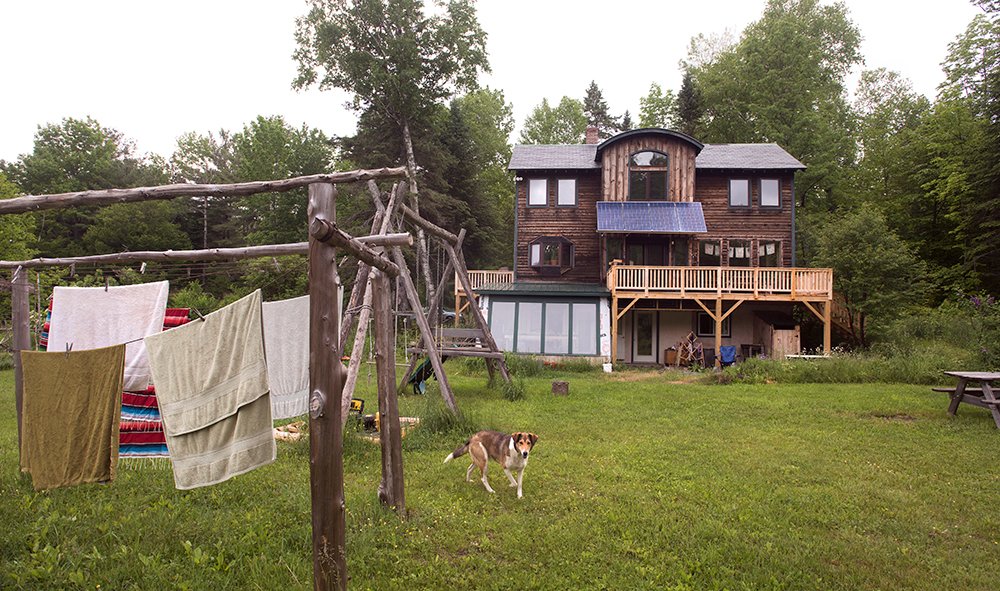
When planning your build, factor in:
- Insulation and passive solar design for temperature control
- Durable, locally sourced materials
- Space for food storage and preparation
- Composting toilets or alternative waste systems
For those in extreme climates, specialized advice is available, such as off-grid homesteading in deserts or tropical off-grid homesteading.
Generating Power and Managing Utilities
A crucial part of living off the grid full time is producing your own energy. Solar panels are the most popular choice, but wind turbines, micro-hydro, and generators can supplement your system. Calculate your daily energy needs and design accordingly.
Key considerations include:
- Battery storage for cloudy or windless days
- Efficient appliances and LED lighting
- Backup systems for critical devices
- Regular maintenance and monitoring
Water management is equally important. Options include drilling a well, setting up rainwater harvesting, and filtering surface water. Plan for both drinking and irrigation needs.
Producing Food and Raising Animals
Self-sufficiency in food is a major goal for most off-grid households. Start with a manageable garden and expand as you gain experience. Raised beds can improve yields and simplify maintenance—consider products like a raised garden bed for efficient growing.
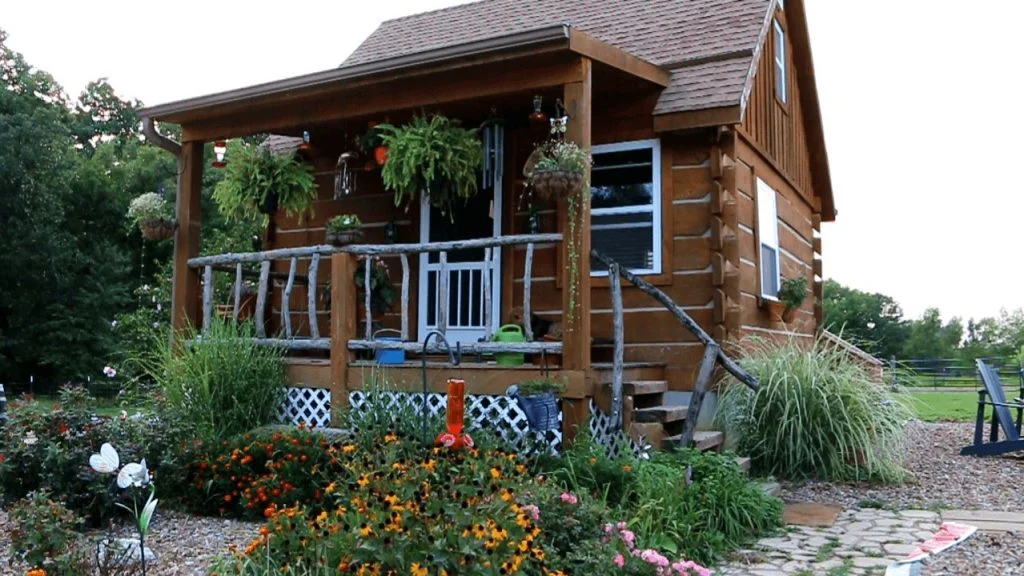
Chickens, goats, and rabbits are popular livestock choices for beginners. They provide eggs, milk, and meat, and can help with pest control and soil fertility. For those interested in maximizing their system’s efficiency, off-grid homestead sustainability tips offer valuable strategies.
Food preservation is another essential skill. Canning, dehydrating, and root cellaring extend your harvest and reduce reliance on outside sources.
Financial Planning and Earning Income Remotely
While living off the grid can reduce expenses, it’s important to budget for initial setup, ongoing maintenance, and unexpected costs. Many off-gridders supplement their income through remote work, crafts, farming, or online businesses.
Consider:
- Setting aside an emergency fund
- Exploring internet options (satellite, mobile hotspots)
- Developing multiple income streams
- Bartering and trading with neighbors
For more ideas on starting your own self-sufficient homestead, see this detailed guide to off-grid homesteading.
Adapting to Challenges and Building Community
Full-time off-grid living comes with unique challenges—weather extremes, equipment failures, and isolation can all test your resolve. Building a support network, whether locally or online, helps you share knowledge and resources.
Staying flexible and willing to learn is key. Document your successes and failures, and don’t hesitate to seek advice from experienced homesteaders. Over time, you’ll develop the resilience and confidence needed to thrive.
Frequently Asked Questions
What skills are essential for living off the grid?
Basic construction, gardening, animal care, water management, and troubleshooting electrical systems are crucial. Learning to repair tools and adapt to changing conditions is also important.
How much money do I need to start?
Costs vary widely depending on location, land prices, and the level of comfort you want. Many people start with $20,000–$100,000, but it’s possible to begin with less if you’re resourceful and willing to build gradually.
Is it legal to live off the grid everywhere?
Not all areas allow full-time off-grid living. Research local zoning laws, building codes, and utility requirements before purchasing land. Some regions are more welcoming to alternative lifestyles than others.
