

Living independently from public utilities offers a unique set of challenges and rewards, especially when it comes to disaster preparedness off-grid. Whether you’re motivated by self-sufficiency, environmental concerns, or the desire to be ready for emergencies, creating a resilient off-grid lifestyle requires careful planning and practical solutions. This article explores essential strategies for staying safe, secure, and comfortable when modern conveniences aren’t available.
As you build your knowledge, it’s helpful to learn from others who have faced similar environments. For those interested in adapting to specific climates, the experiences shared in tropical off-grid homesteading provide valuable insights into unique regional challenges.
Core Principles of Off-Grid Emergency Planning
At its heart, disaster preparedness off-grid is about building redundancy and flexibility into every aspect of daily life. Without access to municipal water, power, or emergency services, you must anticipate potential disruptions and develop backup systems for essentials. These core principles will help guide your planning:
- Self-Reliance: Cultivate skills and stock resources to handle common emergencies without outside help.
- Redundancy: Have multiple ways to meet basic needs like water, food, heat, and power.
- Adaptability: Prepare to adjust routines and use alternative methods when primary systems fail.
- Community: Build relationships with neighbors for mutual aid and knowledge sharing.
Water Security: Collection, Storage, and Purification
Reliable water access is the foundation of any resilient homestead. Off-grid living means you can’t depend on city supplies, so you’ll need to secure water from natural sources or delivery, then store and purify it for safe use.
- Rainwater Harvesting: Install gutters and tanks to capture rain. Ensure tanks are food-grade and protected from contamination.
- Wells and Springs: If available, maintain pumps and test water quality regularly.
- Filtration and Treatment: Use gravity-fed filters, UV purifiers, or boiling to ensure water is safe to drink, especially after floods or storms.
- Storage: Keep enough potable water for at least two weeks per person, plus extra for livestock and gardens.
Food Resilience and Off-Grid Storage Solutions
Growing and preserving your own food is a cornerstone of off-grid disaster readiness. A productive garden, small livestock, and smart storage methods can keep you nourished even if supply chains break down.

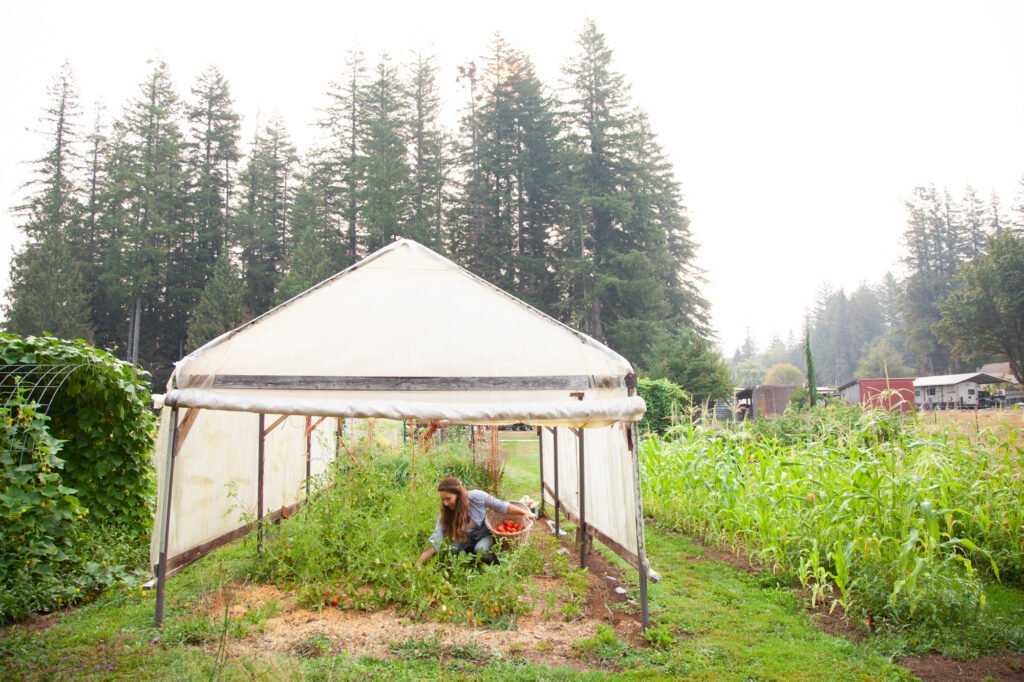
- Year-Round Gardening: Use raised beds, greenhouses, and succession planting to extend your harvest season.
- Livestock: Chickens, rabbits, and goats provide protein and can thrive on small plots.
- Preservation: Canning, dehydrating, fermenting, and root cellaring help store surplus for lean times.
- Wild Foraging: Learn to identify edible plants and mushrooms in your area for added resilience.
For more ideas on essential supplies and tools, see this comprehensive guide to off-grid living essentials.
Power and Lighting: Reliable Off-Grid Energy
When the grid goes down, having your own energy system is crucial. Solar panels, wind turbines, and backup generators are common solutions, but maintenance and redundancy are key for disaster scenarios.
- Solar Power: Install panels with battery storage to run lights, refrigeration, and communication devices.
- Generators: Keep a fuel-powered generator as a backup, and store fuel safely away from living areas.
- Manual Tools: Hand-crank radios, lanterns, and non-electric kitchen tools ensure you’re never left in the dark.
- Energy Conservation: Use LED lighting, insulate well, and prioritize essential loads to stretch your resources.
Automation can help manage your energy use efficiently. For advanced tips, explore off-grid homestead automation for smarter energy management.
Sanitation and Waste Management in Emergencies
Maintaining hygiene is critical for health, especially when disasters disrupt normal routines. Off-grid setups require alternative solutions for toilets, greywater, and trash.
- Composting Toilets: These systems are reliable, odor-free, and don’t require water or power.
- Greywater Systems: Reuse water from sinks and showers for irrigation, using natural filtration where possible.
- Waste Disposal: Burn, bury, or compost organic waste; store and periodically remove non-biodegradable trash.
- Personal Hygiene: Stock up on biodegradable soap, hand sanitizer, and reusable cloths.
Communication and Community Support
Staying informed and connected is vital during emergencies. Off-grid residents should plan for situations where phones and internet may be unavailable.
- Radios: Keep a battery or solar-powered radio for weather alerts and news.
- Local Networks: Establish check-in routines with neighbors and share resources or skills.
- Emergency Signals: Learn visual and audible signals for distress in case you need help.
- Documentation: Keep important documents in waterproof containers and have printed maps of your area.
Practical Tips for Building Resilience
Every homestead is unique, but some universal practices can improve your ability to withstand disasters:
- Rotate food and water stores to keep them fresh.
- Practice emergency drills with your household.
- Keep first aid kits well-stocked and learn basic medical skills.
- Secure buildings and outbuildings against storms and wildfires.
- Document your systems and procedures for quick reference during stressful times.
Adapting to Different Environments
Strategies for disaster preparedness off-grid must be tailored to your local climate and risks. For example, those living in arid regions can benefit from the advice in off-grid homesteading in deserts, which covers water conservation and heat management. Always assess your unique hazards—be it hurricanes, wildfires, floods, or blizzards—and prepare accordingly.
Frequently Asked Questions
What is the most important aspect of off-grid disaster readiness?
The most critical factor is redundancy—having multiple ways to meet essential needs like water, food, and power. This ensures that if one system fails, you have alternatives to fall back on.
How can I store enough food and water for emergencies?
Use a combination of preserved foods (canned, dehydrated, fermented) and fresh produce from your garden. For water, store at least two weeks’ worth per person and regularly rotate supplies to keep them fresh.
What are the best ways to communicate during an off-grid emergency?
Battery or solar-powered radios are essential for receiving updates. Establishing a network with local neighbors and having emergency signals in place can help if traditional communication methods fail.
