

Living on an off-grid homestead means embracing a lifestyle that is both rewarding and demanding. Each day brings a blend of routine tasks and unexpected challenges, all centered around self-sufficiency and sustainability. Those who choose this path often seek a deeper connection to nature, a desire for independence, and the satisfaction of producing their own food, energy, and resources.
This article offers a practical look at what it’s really like to manage daily routines, responsibilities, and the unique rhythms of life away from the conveniences of modern infrastructure. Whether you’re considering a transition to off-grid living or simply curious about how others make it work, you’ll find insights here that go beyond the surface.
If you’re interested in building your own sustainable retreat, you may also want to explore self-sufficient homestead ideas for even more inspiration and practical tips.
Morning Routines: Starting the Day Off-Grid
The day on a homestead often begins at sunrise. Without the hum of city life, mornings are marked by natural light and the sounds of wildlife. Many off-grid residents start with essential chores such as tending to livestock, collecting eggs, and checking water supplies. These early tasks are vital for keeping the homestead running smoothly and ensuring the well-being of animals and crops.
Water management is a core part of the morning. Since most off-grid properties rely on wells, rainwater catchment, or nearby streams, checking pumps and filtration systems is a daily necessity. Heating water for coffee or breakfast may involve lighting a wood stove or using solar-powered appliances.
Growing and Harvesting Food: The Heart of Homestead Living
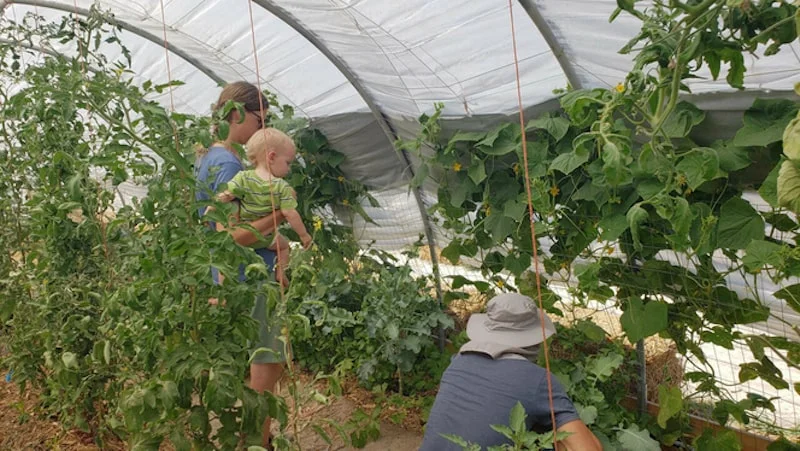
Food production is central to the daily life off-grid homestead experience. Gardens, greenhouses, and small orchards provide fresh produce throughout the seasons. Residents spend significant time planting, weeding, watering, and harvesting. The cycle of growing food not only supplies meals but also fosters a sense of accomplishment and connection to the land.
Preserving food is another important task. Canning, dehydrating, and fermenting are common methods for storing surplus produce. These skills help ensure a steady food supply during winter or periods of low harvest.
Animal Care and Livestock Responsibilities
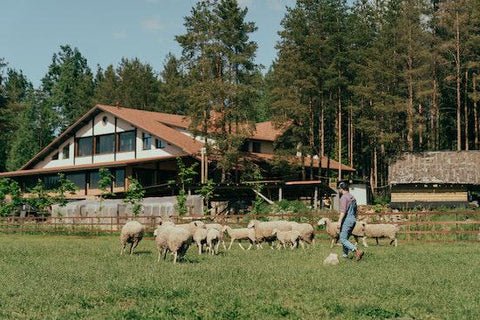
Many homesteads keep chickens, goats, sheep, or even larger animals like cows. Animal care is a year-round commitment that shapes the rhythm of each day. Feeding, watering, mucking stalls, and monitoring animal health are ongoing duties. For those with poultry, collecting eggs and maintaining coops are part of the daily routine.
Upgrading animal shelters and investing in smart solutions, such as automated coop doors, can streamline these tasks and offer peace of mind. These improvements help protect livestock from predators and harsh weather, making animal care more efficient.
Energy and Resource Management on a Remote Homestead
Living away from the grid requires careful management of power and resources. Most off-grid homes rely on a combination of solar panels, wind turbines, or generators for electricity. Monitoring battery levels, conserving energy, and scheduling high-usage tasks during peak sunlight hours are all part of the daily routine.
Heating and cooking often depend on wood stoves or propane. Chopping and stacking firewood is a regular job, especially in colder climates. Water conservation is also crucial, as every drop must be collected, filtered, and used wisely.
Household Chores and Maintenance Tasks
In addition to outdoor work, maintaining the home itself is a constant process. Cleaning, repairing, and organizing are essential for keeping living spaces comfortable and functional. Routine checks for leaks, drafts, or pest issues help prevent bigger problems down the road.
Many off-grid households also take on DIY projects to improve efficiency, such as building shelves, upgrading insulation, or installing new systems. These efforts not only enhance comfort but also contribute to long-term sustainability.
Community and Social Connections in Off-Grid Living
While some homesteaders value solitude, many find community to be an important part of their experience. Neighbors often share resources, trade goods, and help each other with large projects. Local markets, workshops, and gatherings provide opportunities for learning and connection.
Staying connected with the wider world is possible through internet access, often powered by solar or satellite. This allows residents to keep up with news, maintain relationships, and even run businesses remotely.
Challenges and Rewards of the Off-Grid Lifestyle
The daily life off-grid homestead journey is not without its difficulties. Weather extremes, equipment failures, and the physical demands of manual labor can be taxing. However, the rewards—independence, resilience, and a deep sense of accomplishment—often outweigh the hardships.
Many who live this way appreciate the slower pace, the connection to natural cycles, and the opportunity to live according to their values. The skills gained and the relationships built along the way are lasting benefits.
Tools and Upgrades for Efficient Homestead Management
Investing in quality tools and upgrades can make a significant difference in daily routines. Raised garden beds, efficient watering systems, and smart animal care products help streamline chores and boost productivity. For those interested in learning more about the essentials, this guide to off-grid living and homesteading offers a comprehensive overview of what’s involved.
Over time, homesteaders develop a toolkit of favorite products and solutions that fit their unique needs. Prioritizing reliability and ease of use helps keep daily operations running smoothly, even when unexpected challenges arise.
Finding Balance: Work, Rest, and Recreation
While much of the day is devoted to work, finding time for rest and recreation is important for long-term well-being. Many off-grid residents enjoy hiking, crafting, reading, or simply relaxing outdoors. Evenings often bring families together for shared meals and conversation, free from the distractions of screens and city noise.
This balance of effort and relaxation is a key part of what makes homestead living sustainable and fulfilling over the long term.
Frequently Asked Questions
What skills are essential for living off the grid?
Essential skills include gardening, animal husbandry, basic carpentry, plumbing, and electrical know-how. Being able to troubleshoot and repair systems, as well as preserve food, are also valuable abilities for anyone considering this lifestyle.
How do off-grid homesteads manage electricity and water?
Most rely on renewable energy sources like solar or wind, paired with battery storage. Water is typically sourced from wells, rainwater collection, or nearby streams, with filtration and conservation practices in place to ensure a steady supply.
Is it possible to work remotely from an off-grid homestead?
Yes, many people maintain remote jobs or businesses thanks to solar-powered internet solutions. Reliable connectivity allows for online work, education, and communication, making it feasible to balance modern careers with rural living.
