

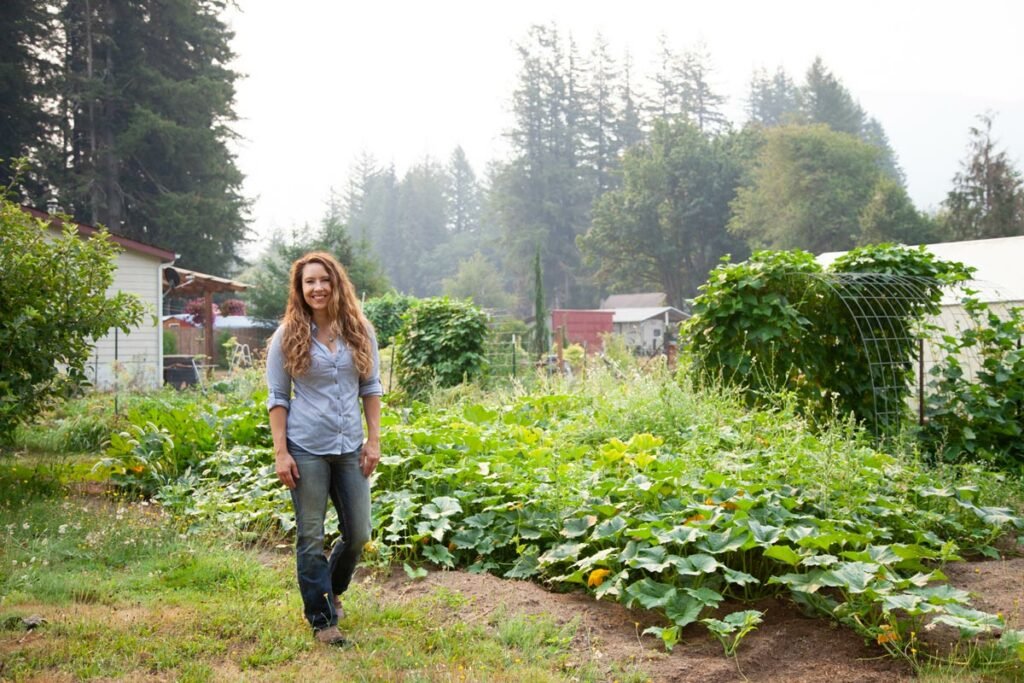
Embarking on a journey toward off-grid homesteading is a bold step toward self-sufficiency and sustainable living. Whether you’re seeking independence from utility companies, a closer connection to nature, or a more resilient lifestyle, building a homestead from the ground up is both challenging and rewarding. This article provides a thorough overview of what it takes to establish your own off-grid haven, from selecting land to growing food and managing energy needs.
If you’re new to this lifestyle, it’s important to learn from others’ experiences and avoid common pitfalls. For practical advice on what to watch out for, check out these mistakes new homesteaders make before you get started.
Choosing the Right Land for Your Homestead
The foundation of every successful off-grid property is the land itself. When searching for the ideal spot, consider factors such as water availability, soil quality, climate, and accessibility. Proximity to natural resources like forests or streams can make a significant difference in your daily life. It’s also crucial to research local zoning laws and regulations—some areas have restrictions on off-grid living. For more details on legal considerations, see this guide on can you live off-grid legally.
- Water sources: Wells, springs, or rainwater collection are essential for independence.
- Soil quality: Fertile soil supports productive gardens and healthy livestock.
- Sun exposure: Ample sunlight is vital for solar power and growing crops.
- Accessibility: Consider how easily you can reach your property year-round.
Building Shelter and Essential Structures
Constructing a comfortable, energy-efficient home is a top priority. Many off-grid homesteaders opt for tiny houses, cabins, or earth-sheltered dwellings to minimize costs and energy needs. When planning your build, focus on insulation, passive solar design, and the use of local materials whenever possible.
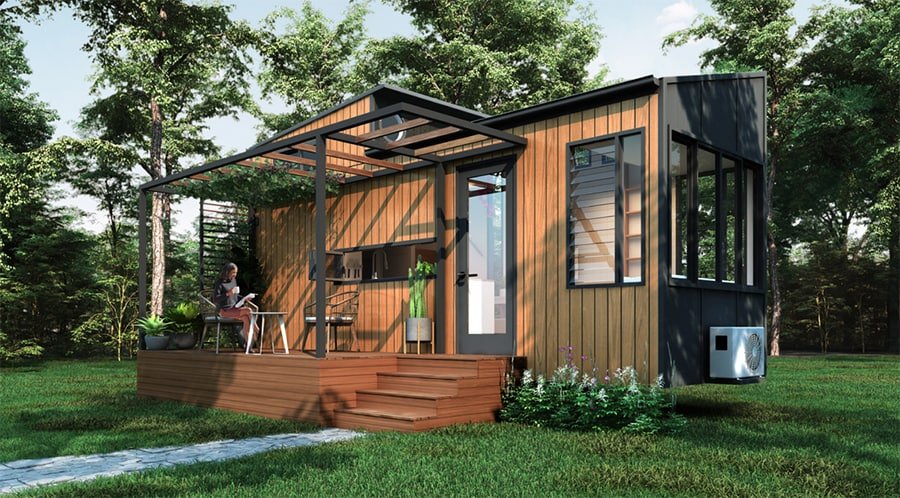
Beyond your main living space, you’ll need outbuildings such as tool sheds, greenhouses, and animal shelters. Prioritize structures that support food production and storage, like root cellars or barns. Investing in durable materials and smart designs will save time and effort in the long run.
Establishing Reliable Off-Grid Utilities
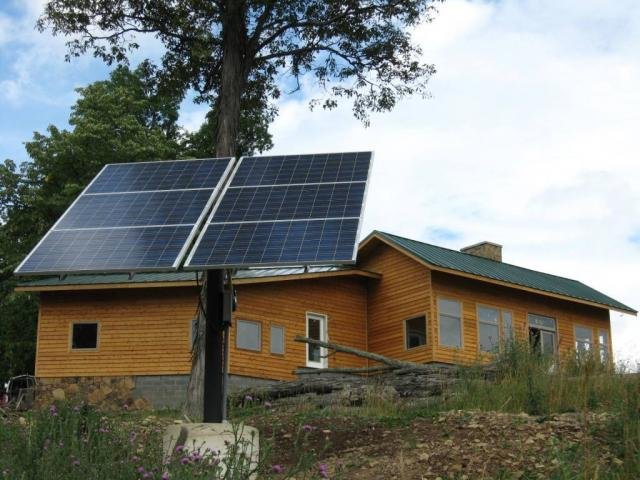
One of the defining aspects of this lifestyle is managing your own utilities. This includes generating electricity, sourcing water, and handling waste. Solar panels are the most common choice for renewable energy, but wind turbines and micro-hydro systems can also be effective depending on your location.
- Solar power: Install photovoltaic panels and batteries for consistent energy.
- Water systems: Set up rainwater catchment, filtration, and storage tanks.
- Waste management: Composting toilets and greywater systems help minimize environmental impact.
- Heating: Wood stoves, rocket mass heaters, or passive solar heating can keep your home warm.
For a deeper dive into sustainable practices, explore these off-grid homestead sustainability tips that work in a variety of climates.
Growing Food and Raising Animals
Producing your own food is central to self-reliance. Start by planning a garden that fits your climate and soil. Raised beds, permaculture designs, and companion planting can boost yields and reduce maintenance. Consider investing in a sturdy raised garden bed for long-term productivity.
Livestock such as chickens, goats, or rabbits can provide eggs, milk, and meat. Choose breeds suited to your region and plan for secure housing and fencing. Automatic coop doors and predator-proof enclosures can simplify daily chores and protect your animals.
Seasonal Maintenance and Adaptation
Life off the grid requires ongoing maintenance and adaptation to the seasons. Regularly inspect your equipment, buildings, and food stores. Prepare for winter by insulating pipes, stocking up on firewood, and preserving harvests through canning or dehydrating. In hot climates, focus on water conservation and shade structures. For those in extreme environments, see these off-grid homesteading in deserts tips or tropical off-grid homesteading strategies.
Financial Planning and Budgeting for Off-Grid Life
Setting up a homestead without access to public utilities requires careful budgeting. Initial investments include land, building materials, renewable energy systems, and tools. Ongoing costs may involve animal feed, seeds, and occasional repairs. Track your expenses and look for ways to reduce costs by bartering, buying used equipment, or learning DIY skills.
Many homesteaders supplement their income through remote work, selling produce, or offering workshops. Diversifying your revenue streams can provide a financial safety net and help cover unexpected expenses.
Learning, Community, and Resources
No one succeeds in isolation. Connect with local homesteading groups, attend workshops, and participate in online forums to share knowledge and support. There are many resources available, such as the off-grid living guide from Briggs & Stratton, which covers practical aspects of energy, water, and daily life.
Building relationships with neighbors and nearby farmers can also provide valuable assistance, especially during emergencies or busy seasons.
FAQ
What are the first steps to starting an off-grid homestead?
Begin by researching suitable land, understanding local laws, and assessing your resource needs. Secure a reliable water source, plan for shelter, and outline your energy and food production systems before moving forward.
How much does it cost to set up a self-sufficient homestead?
Costs vary widely depending on location, land size, and your approach. Expect to invest in land, building materials, renewable energy, and tools. Many people start small and expand as resources allow, keeping expenses manageable.
Can you live off-grid anywhere?
Not all regions permit off-grid living. Zoning laws, building codes, and utility requirements differ by state and county. Always check local regulations before purchasing land or starting construction.
