

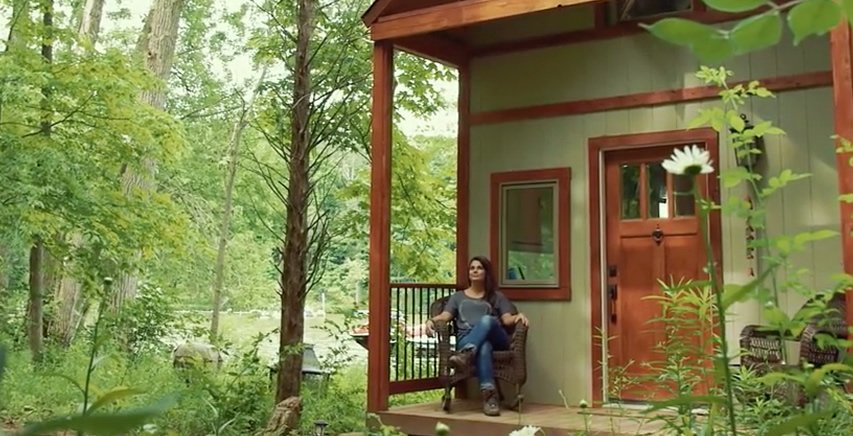
Choosing to live off the grid is a bold step toward greater independence and sustainability. Many people are drawn to the idea of self-sufficiency, reduced reliance on public utilities, and a closer connection to nature. However, the challenges of off-grid living are significant and require careful planning, resourcefulness, and adaptability. This article explores the most common obstacles faced by those who pursue an off-grid lifestyle and provides practical solutions for overcoming them.
Whether you’re new to this way of life or considering making the transition, understanding the realities of off-grid homesteading is crucial. From managing energy needs to maintaining mental and physical well-being, each aspect presents unique hurdles. For those interested in the psychological aspects, the article on mental health off-grid living offers valuable insights into maintaining balance and resilience in remote environments.
Energy Independence: Powering Your Off-Grid Home
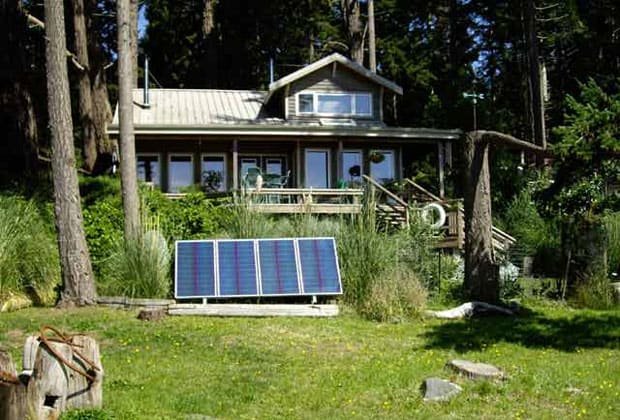
One of the first and most persistent off-grid living challenges is generating and storing enough energy to meet daily needs. Without access to the electrical grid, residents must rely on alternative energy sources such as solar panels, wind turbines, or micro-hydro systems. Each option has its pros and cons, and the effectiveness can vary based on location and climate.
- Solar Power: Solar panels are popular for their reliability and low maintenance, but they require significant upfront investment and are less effective in cloudy or shaded areas.
- Wind Energy: Wind turbines can supplement solar, especially in windy regions, but they require regular maintenance and can be noisy.
- Backup Generators: Many off-grid homes use generators as a backup, but fuel costs and noise can be drawbacks.
To overcome these hurdles, it’s essential to assess your site’s natural resources, invest in high-quality batteries for energy storage, and design your home for energy efficiency. Regular maintenance and having backup options can help prevent unexpected outages.
Water Access and Purification: Ensuring a Reliable Supply
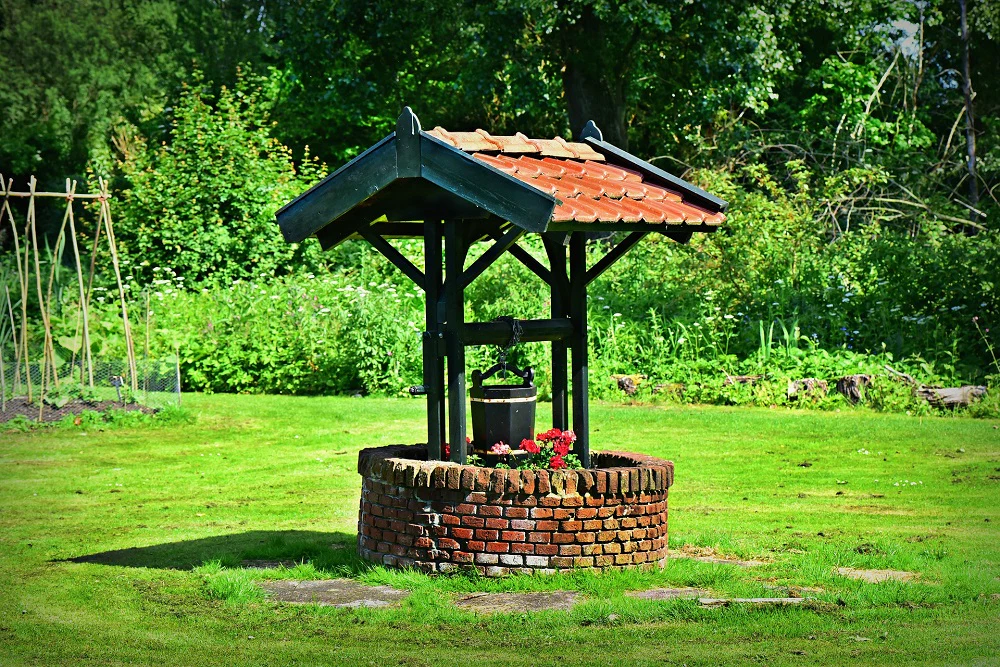
Securing a consistent and safe water supply is another major concern for those living off the grid. Unlike urban areas with municipal water, off-grid properties often rely on wells, rainwater harvesting, or nearby streams. Each method comes with its own set of difficulties, such as seasonal shortages, contamination risks, and the need for filtration.
To address water-related obstacles:
- Test and maintain wells regularly to ensure water quality.
- Install multiple filtration systems, such as sediment and UV filters, to remove contaminants.
- Harvest rainwater and store it in food-grade containers for backup.
- Monitor usage and implement conservation strategies, especially during dry seasons.
For more ideas on creating a resilient homestead, you may find inspiration in self-sufficient homestead ideas that focus on water management and sustainable living.
Food Production and Storage: Growing and Preserving Your Own
Producing enough food year-round is a core part of off-grid life. This can mean growing vegetables, raising livestock, and learning food preservation techniques. However, unpredictable weather, pests, and limited growing seasons can make self-reliance difficult.
- Plan gardens with crop rotation and companion planting to maximize yields and reduce pests.
- Use greenhouses or cold frames to extend the growing season.
- Preserve harvests through canning, dehydrating, and fermenting.
- Raise chickens or other small livestock for eggs and meat, and consider automatic coop upgrades for efficiency.
Investing in raised beds and smart tools can make gardening more productive and manageable. For those new to food preservation, starting with simple methods and gradually expanding your skills is a practical approach.
Building and Maintaining Shelter: Construction and Upkeep
Constructing and maintaining a home off the grid presents its own set of challenges for off-grid homesteaders. Materials must often be sourced locally, and labor can be intensive. Weatherproofing, insulation, and pest control are ongoing concerns.
Overcoming these issues involves:
- Using durable, weather-resistant materials for construction.
- Planning for proper insulation and ventilation to maintain comfort year-round.
- Scheduling regular inspections for leaks, rot, and pest infestations.
- Learning basic carpentry and repair skills to handle maintenance independently.
For a deeper look at what to expect, this guide to off-grid homesteading essentials covers practical considerations and tips from experienced homesteaders.
Social, Emotional, and Mental Well-Being
While the physical aspects of living off the grid are often discussed, the emotional and psychological impacts are just as important. Isolation, limited social interaction, and the constant demands of self-sufficiency can affect mental health.
- Stay connected with friends and family through regular communication.
- Join local or online communities of like-minded individuals for support and advice.
- Prioritize self-care and establish routines that include relaxation and recreation.
- Seek professional help if feelings of anxiety or depression become overwhelming.
Addressing these needs proactively helps ensure a balanced and fulfilling off-grid experience. For more information, the article on mental health off-grid living provides strategies for maintaining well-being in remote settings.
Practical Tips for Overcoming Common Obstacles
Succeeding in a self-reliant lifestyle requires ongoing learning and adaptation. Here are some practical tips to help you navigate the most common challenges of off-grid living:
- Start small and expand your systems as you gain experience.
- Keep a well-stocked toolkit and spare parts for essential repairs.
- Document your systems and maintenance routines for easy troubleshooting.
- Build relationships with neighbors and local experts who can offer support.
- Stay informed about new technologies and sustainable practices.
Remember, setbacks are part of the journey. Flexibility, patience, and a willingness to learn from mistakes are key to thriving in an off-grid environment.
Frequently Asked Questions
What is the biggest challenge when living off the grid?
The most significant challenge is often ensuring a reliable supply of energy and water. Without access to public utilities, residents must carefully manage resources, invest in backup systems, and adapt to seasonal changes.
How can I make off-grid living more comfortable?
Comfort can be improved by investing in energy-efficient appliances, proper insulation, and reliable water filtration. Building strong routines, staying connected with others, and embracing new skills also contribute to a more enjoyable lifestyle.
Is off-grid living legal everywhere?
Regulations vary by location. Some areas have restrictions on building codes, water rights, or waste disposal. It’s important to research local laws and obtain necessary permits before starting your off-grid journey.
