


As more people look for sustainable alternatives to traditional lifestyles, interest in off-grid living continues to grow. Many are drawn to the idea of reducing their environmental impact, but understanding the true carbon footprint of living off the grid is essential for anyone considering this path. This article breaks down the factors that influence emissions in independent homesteads, compares them to conventional living, and offers practical tips for minimizing your ecological impact.
Whether you’re planning a homestead or simply curious about the environmental effects of energy independence, this guide will clarify the benefits and challenges of reducing your carbon output while living off the land. For those interested in a deeper dive into regenerative approaches, you may also want to explore regenerative living off-grid for additional insights.
Understanding the Environmental Impact of Off-Grid Homes
The carbon footprint of a self-sufficient lifestyle is shaped by a range of choices, from energy sources to daily habits. Unlike conventional homes, which typically rely on centralized power grids and municipal services, off-grid dwellings generate their own electricity, manage their own water, and often produce food on-site. While these practices can significantly lower emissions, the actual impact depends on how each system is designed and maintained.
Key factors that influence emissions in off-grid living include:
- Energy production: Solar panels, wind turbines, and micro-hydro systems are common, but backup generators using fossil fuels can increase emissions if used frequently.
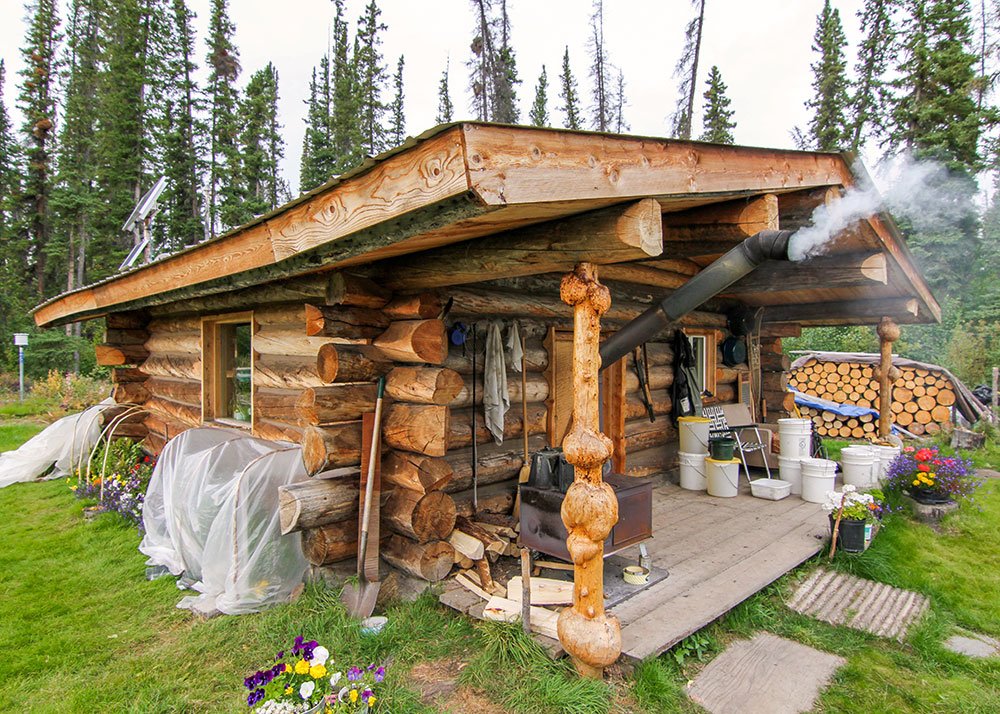
- Heating and cooling: Wood stoves, passive solar design, and high-efficiency insulation can reduce reliance on fossil fuels.
- Water sourcing and treatment: Rainwater harvesting and composting toilets minimize the need for energy-intensive municipal systems.
- Food production: Growing food on-site and raising livestock can cut down on transportation emissions, but animal agriculture can also contribute to greenhouse gases if not managed carefully.
Comparing Carbon Emissions: Off-Grid vs. Conventional Living
One of the main motivations for going off-grid is to reduce environmental impact. But how does the carbon footprint of a homestead compare to that of a typical suburban household?
In most cases, off-grid homes that rely primarily on renewable energy and sustainable practices generate fewer emissions per person than grid-connected homes. For example, using solar panels instead of coal-fired electricity can cut carbon output dramatically. However, the initial production and transport of renewable energy systems do have an environmental cost. Over time, these investments usually pay off, especially when combined with energy-efficient appliances and thoughtful resource management.
It’s important to note that not all off-grid setups are equally green. Frequent use of diesel generators, inefficient heating, or unsustainable land management can offset the benefits of living independently. The key is to design systems that minimize fossil fuel use and maximize efficiency.
Reducing Your Carbon Footprint When Living Off the Grid
If your goal is to minimize your environmental impact, there are several strategies you can implement on your homestead:
- Prioritize renewable energy: Invest in solar, wind, or hydro systems sized to meet your needs. Use battery storage to reduce reliance on backup generators.
- Maximize efficiency: Insulate buildings thoroughly, use energy-efficient appliances, and design spaces to take advantage of natural light and passive heating/cooling.
- Adopt sustainable food practices: Grow your own produce, compost food scraps, and manage livestock responsibly to reduce methane and nitrous oxide emissions.
- Minimize waste: Recycle, reuse, and compost as much as possible. Choose products with minimal packaging and avoid single-use plastics.
- Use sustainable materials: When building or renovating, select local, renewable, or recycled materials to lower embodied carbon.
For more practical advice on setting up a self-sufficient homestead, check out this comprehensive guide to off-grid homesteading.
Common Challenges and Trade-Offs in Sustainable Off-Grid Living
While the potential for a lower carbon footprint is significant, off-grid living comes with its own set of challenges. Initial setup costs for renewable energy systems can be high, and maintenance requires ongoing effort. In some regions, limited sunlight or wind may necessitate backup power, which can increase emissions if not managed carefully.
Food production is another area where trade-offs exist. While growing your own food reduces transportation emissions, livestock can contribute to greenhouse gases if not managed sustainably. Choosing plant-based diets, rotational grazing, and integrated permaculture systems can help balance these impacts.
Ultimately, the success of reducing your environmental impact off the grid depends on ongoing commitment to efficiency, conservation, and thoughtful resource use.
Long-Term Benefits of a Low-Carbon Homestead
Over time, the environmental advantages of independent living can be substantial. By generating your own energy, producing food locally, and managing resources carefully, you can dramatically reduce your reliance on fossil fuels and lower your overall emissions. These benefits extend beyond your household, contributing to healthier ecosystems and more resilient communities.
Many off-grid homesteaders also find that their lifestyle encourages a deeper connection to the land and a greater appreciation for the resources they use. This mindset shift can lead to ongoing improvements in efficiency and sustainability, further reducing your environmental impact year after year.
Frequently Asked Questions
Does off-grid living always have a lower carbon footprint than city living?
Not necessarily. While off-grid homes often have the potential for lower emissions, the actual carbon footprint depends on the energy sources, building materials, and daily practices. A poorly designed off-grid system that relies heavily on fossil fuels could have a higher impact than an efficient urban apartment powered by renewables.
What are the biggest sources of emissions in off-grid homesteads?
The largest contributors are typically backup generators (if powered by diesel or gasoline), inefficient heating systems, and livestock management. Careful planning and investment in renewables, efficient appliances, and sustainable agriculture can significantly reduce these emissions.
How can I further reduce my carbon footprint while living off the grid?
Focus on maximizing renewable energy use, improving insulation, reducing waste, and adopting sustainable food practices. Regularly assess your systems and look for opportunities to improve efficiency. For additional strategies, you might explore topics like regenerative living off-grid.
