

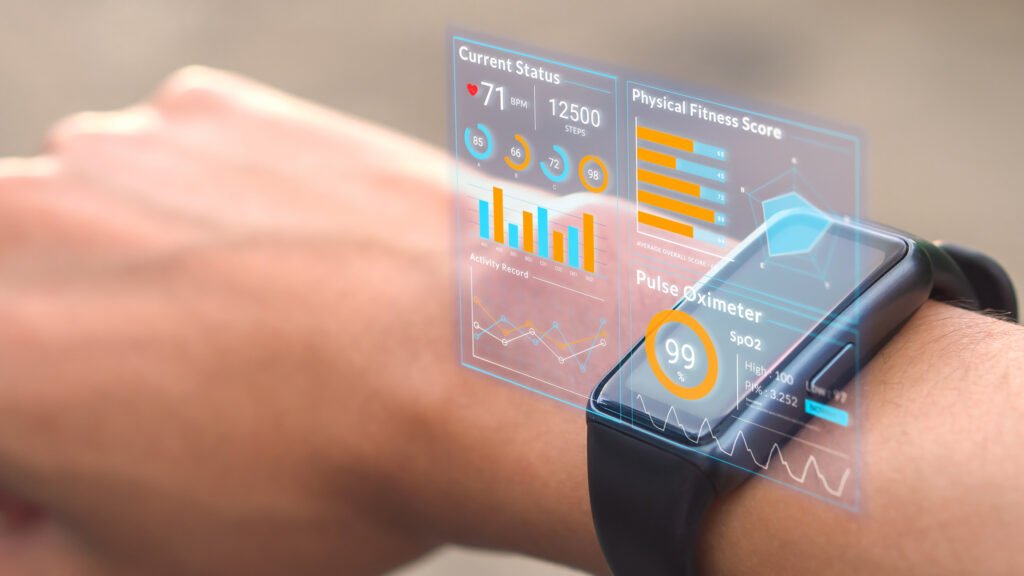
Wearable technology use cases have rapidly expanded beyond fitness trackers and smartwatches, becoming integral to sectors such as healthcare, manufacturing, logistics, and more. These devices, which include everything from smart glasses to medical sensors, are transforming how organizations operate, monitor, and interact with their environments. As innovation accelerates, understanding the practical applications of wearables is essential for businesses and individuals looking to leverage their benefits.
From improving health outcomes to streamlining industrial processes, wearables are driving efficiency, safety, and data-driven decision-making. This article explores the most impactful applications of wearable devices across multiple fields, highlighting real-world examples and emerging trends. For those interested in integrating advanced electronics into their products, the electronic product design system integration guide provides valuable insights into system-level considerations.
Healthcare: Transforming Patient Monitoring and Care
One of the most prominent wearable technology use cases is in healthcare. Devices such as smartwatches, biosensors, and wearable ECG monitors are now commonly used to track vital signs, detect irregularities, and provide real-time data to healthcare professionals. This continuous monitoring enables early intervention, reduces hospital readmissions, and empowers patients to manage chronic conditions more effectively.
For example, wearable heart rate monitors and glucose sensors allow individuals with cardiovascular disease or diabetes to keep track of their health metrics outside clinical settings. Hospitals are also adopting smart patches and wireless monitoring systems to track patient recovery and alert staff to emergencies. According to a recent review of wearable medical devices, these tools are improving outcomes and reducing healthcare costs by enabling proactive care.

Industrial and Manufacturing Applications
In manufacturing and industrial environments, wearables are enhancing safety, productivity, and operational oversight. Smart helmets, augmented reality (AR) glasses, and sensor-embedded vests are being deployed to monitor worker health, provide hands-free instructions, and detect hazardous conditions in real time.
For instance, AR glasses can overlay schematics or step-by-step instructions directly into a worker’s field of view, reducing errors and training time. Wearable sensors can track exposure to harmful substances or monitor fatigue, helping prevent accidents and ensuring compliance with safety regulations. These solutions are particularly valuable in sectors like construction, oil and gas, and automotive manufacturing, where workplace hazards are significant.
Organizations looking to ensure the reliability and safety of their electronic products can benefit from resources like the electronic product design safety standards comparison, which outlines key regulatory considerations.
Logistics and Supply Chain Optimization
Wearable devices are also making a mark in logistics and supply chain management. Smart gloves, RFID-enabled wristbands, and wearable barcode scanners streamline inventory tracking, order picking, and package handling. These devices free up workers’ hands, reduce manual entry errors, and speed up fulfillment processes.
For example, warehouse staff equipped with wearable scanners can process shipments more quickly and accurately, while supervisors use location-tracking wearables to optimize workflows and ensure employee safety. Logistics companies are leveraging these technologies to improve delivery times, reduce losses, and enhance overall efficiency.
Retail and Customer Experience Enhancements
Retailers are adopting wearables to personalize shopping experiences and optimize store operations. Smart badges and wristbands can identify loyal customers, trigger personalized offers, or enable contactless payments. Sales associates equipped with smartwatches or AR glasses can access inventory data, receive alerts, and communicate with colleagues without leaving the sales floor.
These innovations not only improve customer satisfaction but also provide valuable data on shopping behaviors, helping retailers refine their marketing and inventory strategies. As wearable adoption grows, expect to see even more creative applications in the retail sector.
Sports, Fitness, and Wellness
The sports and fitness industry has been at the forefront of wearable adoption. Fitness trackers, smart clothing, and GPS-enabled devices help athletes and enthusiasts monitor performance, set goals, and prevent injuries. These tools track metrics such as heart rate, calories burned, sleep quality, and even running form.
Professional teams use advanced wearables to analyze player movements, optimize training regimens, and reduce the risk of overuse injuries. Wellness-focused wearables, such as stress monitors and posture-correcting devices, are also gaining popularity among consumers seeking to improve their overall health and well-being.
Emerging Trends: Smart Wearables in Everyday Life
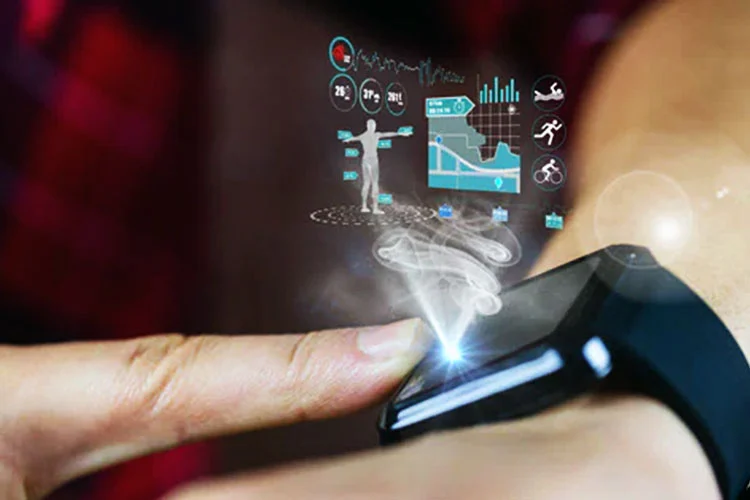
Beyond traditional sectors, wearable devices are finding new roles in daily life and emerging industries. Smart rings, connected jewelry, and even implantable sensors are being developed for authentication, secure payments, and health tracking. In education, AR headsets and smart badges are used to enhance learning experiences and monitor student engagement.
Public safety agencies are adopting body-worn cameras and biometric wearables to improve accountability and monitor officer health. The integration of artificial intelligence and machine learning is making wearables smarter, enabling predictive analytics and more personalized insights.
Challenges and Considerations for Adoption
While the benefits of wearable technology are clear, organizations must address several challenges to ensure successful implementation. Data privacy and security are top concerns, as wearables collect sensitive personal and operational information. Ensuring device interoperability and seamless integration with existing systems is also critical.
Battery life, durability, and user comfort remain important factors, especially in demanding environments. Companies should also consider regulatory compliance and industry standards, which are covered in resources like the electronic product design documentation workflow.
FAQ: Wearable Devices in Modern Industries
What are the main benefits of using wearables in healthcare?
Wearables in healthcare provide continuous monitoring of vital signs, enable early detection of health issues, and support remote patient management. They help reduce hospital visits, improve patient outcomes, and empower individuals to take control of their health.
How do wearables improve workplace safety in industrial settings?
Devices such as smart helmets and sensor-embedded clothing monitor environmental hazards, track worker fatigue, and provide real-time alerts. These features help prevent accidents, ensure compliance with safety standards, and protect employee well-being.
What should organizations consider before adopting wearable technology?
Key considerations include data privacy, device compatibility with existing systems, battery life, comfort, and regulatory compliance. It’s important to assess the specific needs of the organization and choose solutions that align with operational goals and industry requirements.
Conclusion
Wearable technology use cases continue to expand, offering significant advantages across healthcare, industry, logistics, retail, and beyond. As these devices become more sophisticated and accessible, their role in driving efficiency, safety, and personalized experiences will only grow. Organizations that stay informed about the latest developments and best practices will be well-positioned to harness the full potential of wearables in their fields.
