

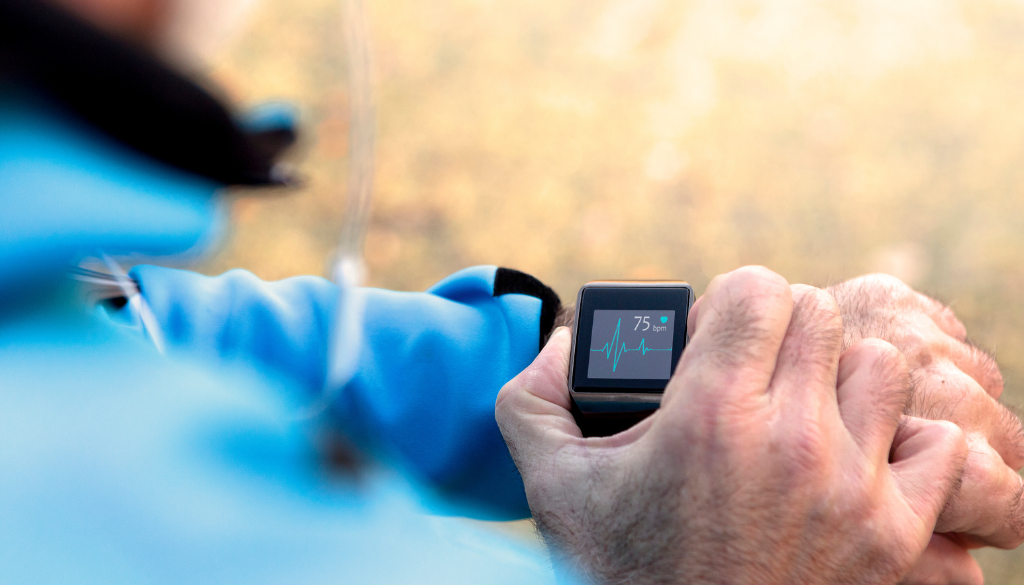
The rise of wearable technology has transformed how people monitor and improve their health. Among the most popular innovations are devices designed to track sleep patterns. These gadgets, ranging from smartwatches to specialized fitness bands, promise insights into nightly rest, helping users understand and optimize their sleep quality. As interest in personal health data grows, understanding how these tools work and what they offer becomes increasingly important.
In this article, we’ll break down the essentials of sleep tracking wearables, including how they function, what data they collect, and how to make sense of the information they provide. For those curious about the broader landscape of medical wearables, you can also explore how medical wearables work for a deeper dive into the technology behind these devices.
How Modern Devices Monitor Sleep
Today’s sleep tracking wearables use a combination of sensors and algorithms to estimate how long and how well you sleep. Most commonly, these devices rely on accelerometers to detect movement, heart rate sensors to monitor pulse changes, and sometimes even skin temperature or blood oxygen sensors. By analyzing this data, the device can estimate when you fall asleep, how often you wake up, and the different stages of sleep you experience.
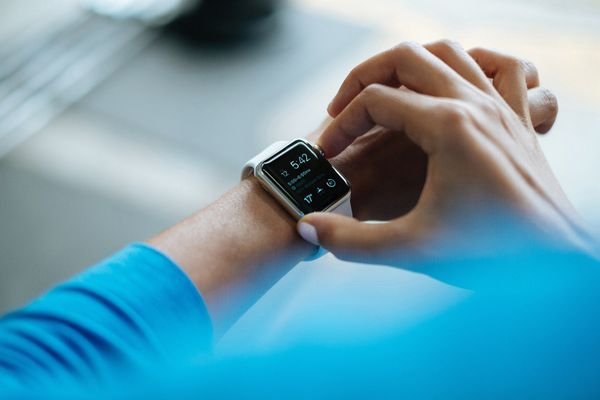
While the technology is impressive, it’s important to remember that most consumer wearables provide estimates rather than clinical-grade measurements. For a closer look at the precision of these devices, check out this resource on the accuracy of medical wearables.
Key Features of Sleep Monitoring Devices
Not all wearables are created equal. Some offer basic sleep duration tracking, while others provide detailed breakdowns of sleep cycles, including light, deep, and REM sleep. Here are some of the most common features you’ll find:
- Sleep duration: The total time you spend asleep each night.
- Sleep stages: Estimates of time spent in light, deep, and REM sleep.
- Sleep interruptions: Tracking how often you wake up or move during the night.
- Heart rate monitoring: Observing heart rate variability as an indicator of sleep quality.
- Smart alarms: Waking you during a light sleep phase for a less groggy morning.
- Long-term trends: Visualizing sleep patterns over weeks or months to spot habits and changes.
Many devices also sync with smartphone apps, offering personalized tips and trend analysis. Some even integrate with broader health platforms, giving a more complete picture of your wellness.
Understanding the Data: What Do Sleep Trackers Really Tell You?
The data from wearable sleep trackers can be eye-opening, but it’s essential to interpret it correctly. While these devices can highlight patterns—such as consistently short sleep or frequent awakenings—they don’t replace professional sleep studies. Instead, they serve as a useful tool for self-awareness and habit tracking.
For example, if your wearable shows you’re getting less deep sleep than usual, it might prompt you to adjust your bedtime routine or reduce screen time before bed. Over time, these small changes can add up to better rest and improved overall health.
Benefits and Limitations of Sleep Wearables
The main advantage of using a sleep monitoring device is the ability to track your rest over time and make informed decisions about your health. Many users find that simply being more aware of their sleep habits leads to positive changes. However, it’s also important to recognize the limitations:
- Estimates, not diagnoses: Consumer wearables can’t diagnose sleep disorders like sleep apnea or insomnia.
- Potential for inaccuracy: Factors like device placement, battery life, and individual physiology can affect readings.
- Privacy concerns: Storing sensitive health data on apps or cloud services requires careful consideration of security settings.
If you’re interested in the broader impact of wearable technology, you might find this overview of wearable technology helpful for understanding how these devices fit into the larger digital health ecosystem.

Choosing the Right Sleep Tracker for Your Needs
With so many options on the market, selecting the best device depends on your goals and preferences. Some people prefer all-in-one smartwatches that monitor activity, heart rate, and sleep, while others opt for dedicated sleep bands or rings that focus solely on rest. Consider the following when making your choice:
- Comfort: You’ll be wearing the device all night, so it should be lightweight and unobtrusive.
- Battery life: Longer battery life means fewer interruptions to your tracking routine.
- App ecosystem: Look for devices with user-friendly apps and clear data visualization.
- Integration: If you already use other health platforms, check compatibility for seamless data syncing.
- Budget: Prices range from affordable bands to premium smartwatches, so consider what features matter most to you.
For those interested in how artificial intelligence is shaping the future of these devices, you may want to read about how AI improves wearable devices.
Maximizing the Value of Your Wearable Sleep Data
To get the most from your device, consistency is key. Wear your tracker every night and review your data regularly. Look for trends rather than obsessing over nightly fluctuations. If you notice persistent issues, such as feeling tired despite getting enough sleep, consider discussing the data with a healthcare professional.
Remember, these devices are tools to support healthy habits—not substitutes for medical advice. Used wisely, they can help you build better routines and take a proactive approach to your well-being.
Frequently Asked Questions
How accurate are wearable sleep trackers?
Most consumer devices provide reasonably accurate estimates of sleep duration and general patterns, but they are not as precise as clinical sleep studies. Accuracy can vary depending on the device, how it’s worn, and individual factors. For a detailed look at this topic, see our article on the accuracy of medical wearables.
Can wearables detect sleep disorders?
While sleep trackers can highlight irregular patterns or frequent awakenings, they cannot diagnose conditions like sleep apnea or insomnia. If you suspect a sleep disorder, consult a healthcare provider for a professional evaluation.
What should I do with the information from my sleep tracker?
Use the data to identify habits that may be affecting your rest, such as late-night screen time or inconsistent bedtimes. Over time, making small adjustments based on these insights can lead to improved sleep quality and overall health.
