

In the electronics industry, ensuring product reliability and safety is non-negotiable. As devices become more complex and consumer expectations rise, the need for robust failure analysis electronics ISO process strategies grows. These methods not only help identify the root causes of component or system failures but also align with international standards, supporting consistent quality control and regulatory compliance.
Understanding how to integrate structured failure analysis with ISO-driven quality management is essential for manufacturers, engineers, and quality professionals. By leveraging proven methodologies, organizations can minimize costly recalls, improve product performance, and build trust with customers. For those interested in related topics, the IP rating testing ISO standards explained article offers valuable insights into environmental protection standards for electronics.
Understanding Failure Analysis in Electronics
Failure analysis in electronics involves a systematic investigation to determine why a device, component, or system did not perform as intended. The process typically includes collecting failure data, conducting physical and electrical examinations, and using analytical tools to pinpoint the underlying cause. This approach is critical for continuous improvement and is often mandated by ISO quality standards.
Common triggers for initiating a failure analysis include field returns, customer complaints, production yield issues, and unexpected performance drops. By addressing these problems early, manufacturers can prevent widespread defects and enhance their reputation for quality.
Key Steps in the ISO-Compliant Failure Analysis Process
A structured failure analysis electronics ISO process follows a series of well-defined steps. Adhering to these steps ensures that investigations are thorough, repeatable, and aligned with global best practices.
- Problem Definition: Clearly describe the failure event, including symptoms, affected components, and operating conditions.
- Data Collection: Gather all relevant information such as test results, production records, and environmental data.
- Non-Destructive Testing (NDT): Use techniques like X-ray, ultrasonic, or visual inspection to examine the device without causing further damage.
- Destructive Analysis: If necessary, perform cross-sectioning, chemical analysis, or microscopy to investigate internal structures.
- Root Cause Identification: Analyze findings to determine the fundamental reason for the failure.
- Corrective and Preventive Actions (CAPA): Develop and implement solutions to address the root cause and prevent recurrence.
- Documentation and Reporting: Record all findings, actions, and outcomes in a standardized format for traceability and future reference.
Each of these steps is supported by ISO standards such as ISO 9001 (Quality Management Systems) and ISO/IEC 17025 (Testing and Calibration Laboratories). These frameworks require organizations to maintain documented procedures, ensure competence, and continually improve their processes.
Integrating Quality Control with Failure Analysis
Quality control and failure analysis are closely linked in the electronics sector. While quality control focuses on preventing defects through process monitoring and testing, failure analysis provides the feedback needed to refine these controls. This synergy is at the heart of ISO-driven quality management systems.
For example, if a batch of printed circuit boards (PCBs) fails environmental testing, a thorough investigation can reveal whether the issue stems from material defects, process deviations, or design flaws. The insights gained can then be used to update inspection criteria, supplier requirements, or manufacturing procedures.
To further explore how environmental factors impact electronics, the environmental durability electronics testing guide provides an in-depth look at durability assessments and their role in quality assurance.
ISO Standards Relevant to Electronics Failure Analysis
Several ISO standards play a pivotal role in shaping failure analysis and quality control in electronics manufacturing:
- ISO 9001: Sets out the criteria for a quality management system, emphasizing risk-based thinking, process control, and continual improvement.
- ISO/IEC 17025: Specifies requirements for the competence of testing and calibration laboratories, ensuring reliable and valid results.
- ISO 26262: Focuses on functional safety for automotive electronics, mandating rigorous analysis and documentation of failures.
- ISO 14001: Addresses environmental management, which can intersect with failure analysis when failures are linked to environmental exposure.
Adhering to these standards not only supports compliance but also enhances customer confidence and market access. For a broader overview of certification requirements, see this comprehensive guide to ISO certification for the electronics industry.
Common Techniques Used in Electronics Failure Analysis
A variety of analytical techniques are employed to uncover the causes of electronic failures. The choice of method depends on the nature of the failure and the component involved. Some widely used approaches include:
- Optical Microscopy: Enables visual inspection of surface features, solder joints, and component placement.
- Scanning Electron Microscopy (SEM): Provides high-resolution images of microstructures and can detect cracks, voids, or contamination.
- X-ray Analysis: Useful for inspecting internal connections and identifying hidden defects in multilayer assemblies.
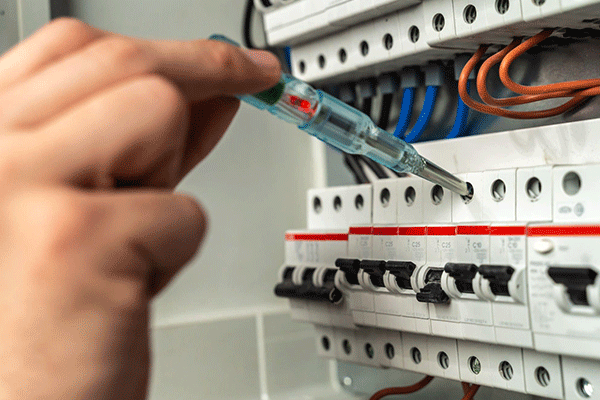
- Electrical Testing: Measures continuity, resistance, and other parameters to isolate faulty circuits.
- Thermal Imaging: Detects abnormal heat generation, which can indicate short circuits or component degradation.
Combining these techniques with a structured failure analysis electronics ISO process ensures that investigations are both comprehensive and compliant with industry expectations.
Benefits of a Structured Approach to Failure Analysis
Implementing a disciplined, ISO-aligned failure analysis process delivers several key advantages:
- Reduced Recurrence: Addressing root causes prevents the same issues from resurfacing in future production runs.
- Improved Product Quality: Insights from failure investigations feed directly into design and process improvements.
- Regulatory Compliance: Meeting ISO requirements supports market access and reduces legal risks.
- Cost Savings: Early detection and correction of issues minimize warranty claims, recalls, and rework expenses.
- Enhanced Customer Trust: Transparent, documented processes demonstrate a commitment to quality and reliability.
For manufacturers targeting global markets, integrating failure analysis with broader quality initiatives—such as those described in the climate testing electronics ISO requirements resource—can further strengthen product resilience.
Challenges and Best Practices in Electronics Failure Analysis
Despite its benefits, implementing an effective failure analysis electronics ISO process can present challenges. These may include limited access to advanced analytical equipment, incomplete documentation, or insufficient training. To overcome these obstacles, organizations should:
- Invest in ongoing training for engineers and technicians.
- Maintain detailed records of production, testing, and failure events.
- Foster a culture of continuous improvement and open communication.
- Regularly review and update procedures in line with evolving ISO standards.
Collaboration across departments—engineering, quality, manufacturing, and supply chain—is also vital to ensure that corrective actions are effective and sustainable.
FAQ: Electronics Failure Analysis and ISO Quality Control
What is the main goal of failure analysis in electronics manufacturing?
The primary objective is to identify the root cause of a failure, enabling manufacturers to implement corrective actions that prevent recurrence and improve overall product quality.
How do ISO standards support electronics failure analysis?
ISO standards provide a framework for systematic investigation, documentation, and continual improvement. They ensure that processes are consistent, traceable, and meet international expectations for quality and safety.
Which techniques are most commonly used in electronics failure investigations?
Common methods include optical and scanning electron microscopy, X-ray analysis, electrical testing, and thermal imaging. The choice depends on the specific failure and component type.
How can companies ensure their failure analysis process remains effective?
Regular training, thorough documentation, and periodic reviews of procedures help maintain an effective and ISO-compliant approach. Collaboration across teams and staying updated with the latest standards are also crucial.
