

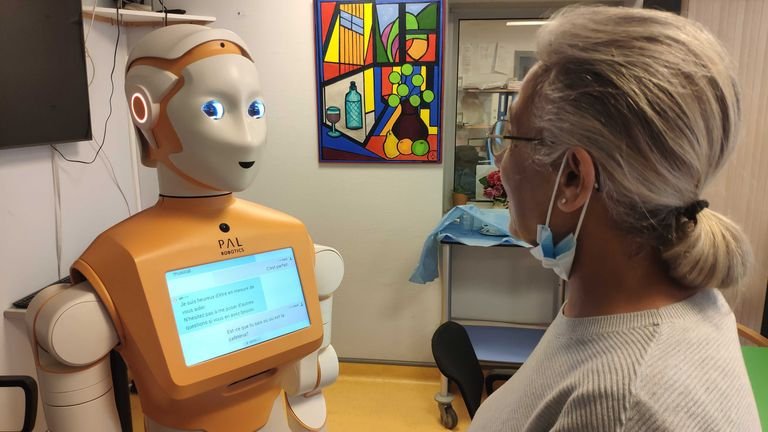
Artificial intelligence is rapidly transforming the landscape of elder support, offering innovative solutions that enhance safety, independence, and quality of life for older adults. From smart monitoring systems to personalized health management, real world examples AI senior care are no longer futuristic concepts—they are being implemented in facilities and homes around the globe. This article explores how these technologies are making a tangible difference, the challenges they address, and what the future may hold for seniors and caregivers alike.
As the population ages, the need for scalable, efficient, and compassionate care grows. AI-powered tools are stepping up to meet this demand, providing real-time insights, automating routine tasks, and supporting both professional caregivers and family members. For those interested in the regulatory landscape, you can learn more about regulations for AI in elderly care and how they shape technology adoption.
How Artificial Intelligence Is Transforming Elderly Support
The integration of AI into senior care is reshaping traditional approaches. These systems can analyze vast amounts of data, recognize patterns, and respond proactively to potential health risks or emergencies. This not only improves outcomes for seniors but also eases the burden on caregivers and healthcare professionals.
Some of the most impactful applications include fall detection, medication reminders, remote health monitoring, and conversational assistants. These technologies are designed to address common challenges faced by older adults, such as memory loss, mobility issues, and social isolation.
Smart Monitoring and Safety Solutions
One of the most widely adopted uses of artificial intelligence in senior living is smart monitoring. AI-powered cameras and sensors can detect unusual movements, such as falls or wandering, and alert caregivers instantly. This real-time response capability is crucial in preventing injuries and ensuring timely assistance.

Wearable devices, such as smartwatches with built-in sensors, can monitor heart rate, detect falls, and even track location for seniors with dementia. For more on the technology behind these devices, see our article on how BLE works in wearable devices. These tools provide peace of mind for families while supporting seniors’ independence.
In addition, AI-enabled cameras can distinguish between normal and abnormal activity, reducing false alarms and focusing attention where it’s truly needed. This targeted approach helps caregivers prioritize their responses and ensures that seniors receive prompt support.
Personalized Health Management With AI
Another key area where real world examples AI senior care shine is in personalized health management. AI algorithms can analyze medical histories, medication schedules, and daily routines to provide tailored reminders and alerts. This is especially valuable for seniors managing multiple chronic conditions or complex medication regimens.
Virtual assistants powered by natural language processing can engage in simple conversations, answer health-related questions, and remind users about appointments or medications. These systems are designed to be user-friendly, making them accessible even for those with limited technical experience.
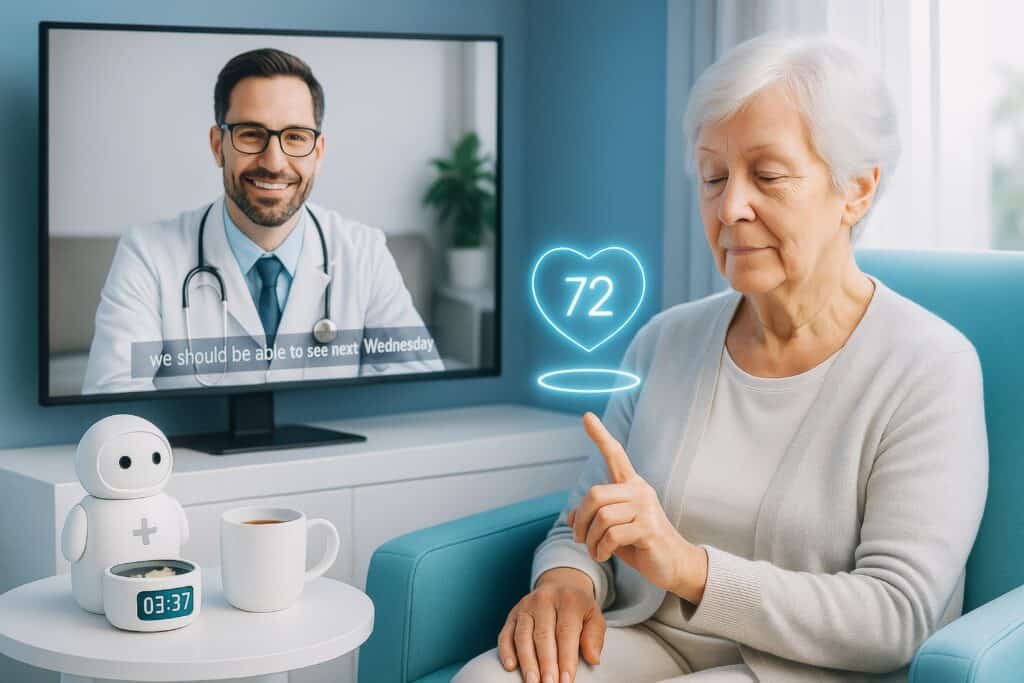
Some platforms also integrate with electronic health records, allowing for seamless communication between seniors, caregivers, and healthcare providers. This connectivity supports proactive health management and can help reduce hospital admissions by catching issues early.
For those interested in the environmental impact of these devices, our overview of sustainability in wearable device design explains how manufacturers are addressing eco-friendly practices.
Communication and Social Engagement Tools
Social isolation is a significant concern among older adults, especially those living alone. AI-driven communication platforms are helping bridge this gap by enabling easy video calls, voice messaging, and even translation services for multilingual families. For more on this, see our guide to AI multilingual support elderly.
These systems often use voice recognition and natural language understanding to create intuitive interfaces, making it easier for seniors to stay connected with loved ones and participate in community activities. Some solutions also offer cognitive games and reminders to encourage mental stimulation and routine engagement.
By fostering regular communication, these tools not only reduce feelings of loneliness but can also help caregivers monitor emotional well-being and detect early signs of depression or cognitive decline.
Remote Health Monitoring and Predictive Analytics
Remote health monitoring is another area where AI is making a substantial impact. Devices equipped with sensors can continuously track vital signs, sleep patterns, and activity levels. The data collected is analyzed by AI algorithms to identify trends or anomalies that may indicate a health issue.
Predictive analytics can alert caregivers or medical professionals to potential problems before they become emergencies. For example, subtle changes in gait or sleep could signal an increased risk of falls or illness, prompting early intervention.
GPS-enabled wearables are also gaining popularity for seniors who may wander or become disoriented. To understand how these technologies work, check out our article on GPS tracking in wearables.
These advancements not only improve safety but also empower seniors to live more independently, knowing that help is available if needed.
Challenges and Considerations for AI in Elderly Care
While the benefits are clear, there are important considerations when implementing AI in senior living environments. Privacy and data security are top concerns, as sensitive health information must be protected. User acceptance is another factor, as some older adults may be hesitant to adopt new technologies.
Additionally, the effectiveness of AI tools depends on reliable internet connectivity and regular maintenance. Training for caregivers and ongoing support are essential to ensure that these systems are used to their full potential.
For a deeper look at how artificial intelligence is shaping the future of assisted living and memory care, see this comprehensive overview of AI in assisted living.
Frequently Asked Questions
What are some practical uses of AI for seniors at home?
AI is used in home environments for fall detection, medication reminders, health monitoring, and virtual companionship. Devices such as smartwatches and AI-powered cameras help ensure safety and provide timely alerts to caregivers.
How does AI improve communication for older adults?
AI-driven platforms enable easy video calls, voice messaging, and even real-time translation, making it simpler for seniors to connect with family and friends. These tools also support cognitive engagement and routine reminders.
Are there privacy concerns with AI in senior care?
Yes, privacy and data security are important considerations. It is essential to use trusted devices and platforms that comply with relevant regulations and to ensure that sensitive information is protected from unauthorized access.
