

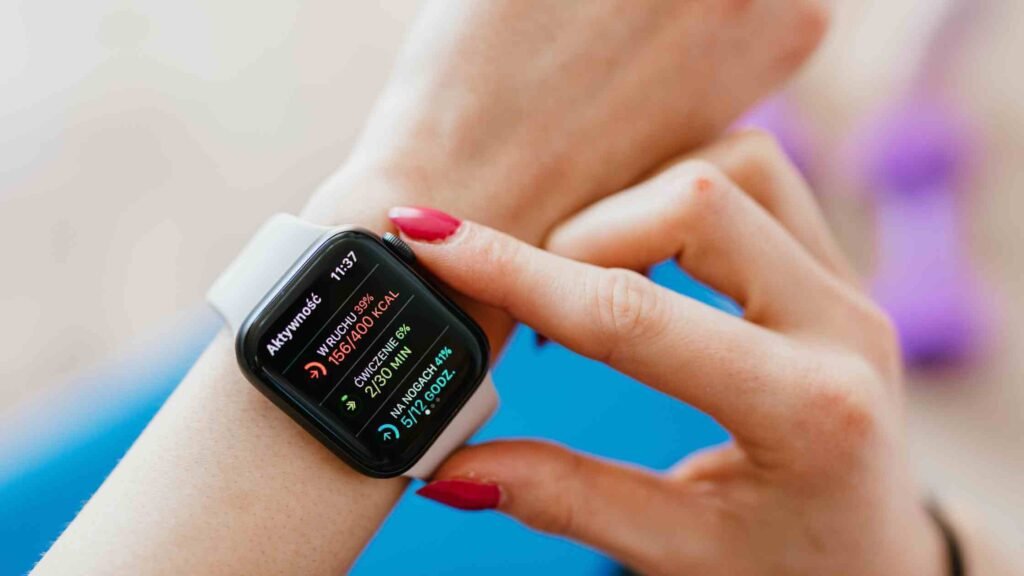
The landscape of next generation wearable devices is evolving rapidly, moving well beyond simple fitness trackers and basic smartwatches. Today’s wearables are smarter, more connected, and increasingly integrated with our daily lives, offering advanced health monitoring, seamless connectivity, and even medical-grade diagnostics. As technology advances, these devices are shaping the future of personal health, productivity, and communication.
In this article, we’ll explore what sets the latest wearables apart, highlight their core features, and discuss how they’re being used across various industries. If you’re interested in the design side of things, you might want to read about human centered design for wearables to understand how user needs drive innovation in this field.
What Defines the Latest Wearable Technology?
Modern wearables are characterized by their ability to collect, analyze, and transmit data in real time. Unlike earlier generations, which focused mainly on step counting and notifications, the current wave of devices integrates sophisticated sensors, AI-driven analytics, and advanced connectivity protocols. These improvements make them valuable not just for consumers, but also for healthcare professionals, athletes, and businesses.
The most significant advancements include:
- Continuous health monitoring (heart rate, blood oxygen, ECG, sleep patterns)
- Medical-grade certifications for certain devices
- Integration with smart home and IoT ecosystems
- Enhanced battery life and energy efficiency
- Improved comfort and aesthetics through better materials and design

Key Features of Next Generation Wearable Devices
The latest wearables stand out due to several core features that set them apart from their predecessors. Here’s what to look for in cutting-edge devices:
Advanced Health and Wellness Tracking
Many new wearables offer comprehensive health tracking, including continuous heart rate monitoring, blood oxygen saturation, and even ECG readings. Some smartwatches and fitness bands are now certified as medical devices, allowing users to monitor chronic conditions or detect irregularities early. This level of insight was previously available only in clinical settings.
Seamless Connectivity and Integration
Modern wearables are designed to work effortlessly with smartphones, tablets, and other connected devices. Technologies like Bluetooth Low Energy (BLE), Wi-Fi, and even cellular connectivity enable real-time data transfer and remote monitoring. If you’re interested in the technical side, the article on wearable connectivity explained provides a deeper dive into the protocols and standards that make this possible.
AI and Predictive Analytics
Artificial intelligence is increasingly being used to interpret the vast amounts of data generated by wearables. Algorithms can detect patterns, predict health events, and provide personalized recommendations. For example, some devices can alert users to potential health issues before symptoms appear, helping with early intervention and prevention.
Improved User Experience and Design
Comfort and usability are now top priorities. The latest wearables use lightweight materials, flexible displays, and ergonomic shapes to ensure they can be worn all day. User interfaces are more intuitive, and customization options allow users to tailor their devices to their preferences.
Applications Across Industries
The impact of next generation wearable devices extends far beyond personal fitness. Here are some key sectors where these innovations are making a difference:
- Healthcare: Remote patient monitoring, chronic disease management, and post-surgical recovery are all being transformed by continuous data collection and telemedicine integration.
- Sports and Fitness: Athletes and trainers use advanced wearables to monitor performance, prevent injuries, and optimize training regimens.
- Workplace Safety: In industrial settings, wearables can track worker fatigue, exposure to hazardous conditions, and location for emergency response.
- Elderly Care: Devices help track vital signs, detect falls, and send alerts to caregivers, supporting independent living for seniors. For more on this, see this overview of wearable technology in aged care.
- Consumer Electronics: Integration with smart home devices, voice assistants, and contactless payments is becoming standard.
Challenges and Considerations for Next Generation Wearables
While the benefits are clear, there are also important challenges to address as these devices become more prevalent:
- Privacy and Security: Wearables collect sensitive health and location data. Ensuring robust security measures and user control over data is essential.
- Battery Life: As features become more advanced, maintaining long battery life without sacrificing performance remains a technical hurdle.
- Interoperability: With so many manufacturers and platforms, ensuring devices work seamlessly together is an ongoing challenge.
- Regulatory Compliance: Devices with medical capabilities must meet strict regulatory standards, which can slow down innovation and market entry.
For a deeper understanding of how these devices communicate with other technology, you can read about how wearable apps communicate with smartphones.
What’s Next for Wearable Technology?
The future of wearables points toward even more integration with our daily routines. Expect to see:
- Smaller, less obtrusive form factors (such as smart rings, patches, and even implantables)
- More accurate sensors and diagnostics
- Expanded use of AI for predictive health and personalized recommendations
- Greater focus on sustainability and eco-friendly materials
- Broader adoption in enterprise and industrial settings
Developers are also exploring the differences between native vs hybrid wearable apps to optimize performance and user experience. As the technology matures, we can expect wearables to become even more indispensable in both personal and professional contexts.
FAQ: Common Questions About Modern Wearables
How do next generation wearable devices differ from older models?
The latest wearables offer more advanced health monitoring, improved connectivity, and often feature AI-powered analytics. They can provide medical-grade data, integrate with other smart devices, and deliver a more comfortable and personalized user experience compared to earlier models.
Are these devices safe and secure to use?
Manufacturers are increasingly prioritizing security and privacy, but users should still be cautious. Look for devices with strong encryption, clear privacy policies, and regular software updates. Always review what data is being collected and how it is shared.
Can wearables be used for medical purposes?
Some advanced wearables are certified as medical devices and can be used for monitoring specific health conditions. However, not all devices are approved for clinical use, so it’s important to check certifications and consult healthcare professionals for medical decisions.
What should I consider before buying a new wearable?
Consider your primary needs (health tracking, fitness, productivity), compatibility with your existing devices, battery life, comfort, and privacy features. Also, check for software support and regular updates to ensure long-term usability.
Where can I learn more about the technology behind wearables?
For more technical insights, you can explore topics such as difference between firmware and software in wearables or dive into the connectivity aspects mentioned earlier in this article.
