


Understanding the distinctions between ISO vs ANSI electronics testing standards is crucial for manufacturers, engineers, and quality assurance professionals in the electronics industry. These standards play a vital role in ensuring product safety, reliability, and global market access. While both ISO (International Organization for Standardization) and ANSI (American National Standards Institute) set benchmarks for testing, their approaches, scopes, and applications differ in important ways. Navigating these differences can help organizations select the right framework for compliance and streamline their product development and export strategies.
For those seeking a broader perspective on how global frameworks compare, the global standards electronics testing comparison provides additional context on international requirements and best practices.
Overview of International and American Testing Frameworks
The landscape of electronics testing is shaped by a variety of standards, each with its own history and area of influence. ISO is a global body that develops international standards across industries, including electronics. Its guidelines are recognized and adopted worldwide, facilitating trade and interoperability. In contrast, ANSI is a U.S.-based organization that coordinates the development of American standards, often focusing on national requirements and industry-specific needs.
While both organizations aim to improve quality and safety, their standards are not always interchangeable. Understanding the relationship and differences between these frameworks is essential for compliance, especially for companies operating in multiple markets.
Key Differences Between ISO and ANSI Electronics Testing Standards
When comparing ISO vs ANSI electronics testing standards, several core distinctions emerge. These differences affect how companies approach compliance, certification, and product development.
- Scope and Reach: ISO standards are internationally recognized and often serve as the foundation for global trade. ANSI standards are primarily used within the United States, although some may be referenced internationally.
- Development Process: ISO standards are developed through international consensus, involving experts from multiple countries. ANSI standards are created through a consensus process within the U.S., often with input from industry, government, and consumer groups.
- Application: ISO guidelines are typically broader, covering a wide range of testing procedures and methodologies. ANSI standards may be more specific, addressing particular industry needs or regulatory requirements in the U.S.
- Certification and Recognition: ISO certification is often required for international market access, while ANSI compliance is essential for U.S. regulatory approval and domestic contracts.
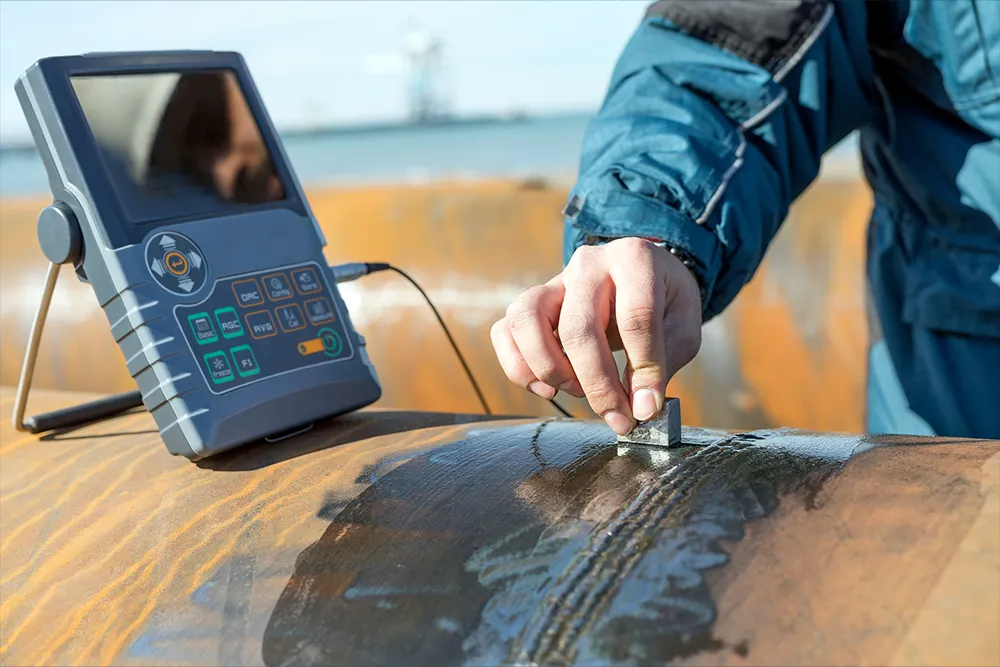
How Standards Impact Electronics Testing Procedures
The choice between ISO and ANSI frameworks can influence every stage of electronics testing, from initial design validation to final product certification. For example, ISO standards such as ISO/IEC 17025 specify general requirements for the competence of testing and calibration laboratories, ensuring consistency and reliability across borders. ANSI standards, such as ANSI/ESD S20.20 for electrostatic discharge control, provide detailed procedures tailored to U.S. industry needs.
Organizations must consider their target markets, regulatory obligations, and customer expectations when selecting a testing standard. In many cases, companies may need to comply with both sets of requirements, especially if they export products from the U.S. to international destinations.
Benefits of Adhering to International Guidelines
Aligning with recognized standards brings several advantages:
- Market Access: ISO certification is often a prerequisite for selling electronics in many countries, while ANSI compliance is essential for U.S. markets.
- Product Quality: Both frameworks help ensure that products meet stringent quality and safety benchmarks, reducing the risk of failures and recalls.
- Customer Confidence: Certification signals to customers and partners that a company is committed to best practices and regulatory compliance.
For a deeper dive into how ISO compares with other frameworks, the ISO vs CE electronics testing differences article explores additional global standards relevant to electronics manufacturers.
Choosing the Right Standard for Your Electronics Testing Needs
Selecting the appropriate standard depends on several factors, including the intended market, product type, and regulatory environment. Here are some considerations:
- Export Goals: If your products are destined for international markets, ISO certification is often required. For U.S.-only distribution, ANSI standards may suffice.
- Industry Requirements: Some sectors, such as medical devices or automotive electronics, may mandate specific standards or dual compliance.
- Customer and Partner Expectations: Many clients require proof of adherence to recognized standards as part of their procurement process.
- Testing Facility Accreditation: Laboratories accredited to ISO/IEC 17025 or recognized ANSI standards demonstrate competence and reliability.
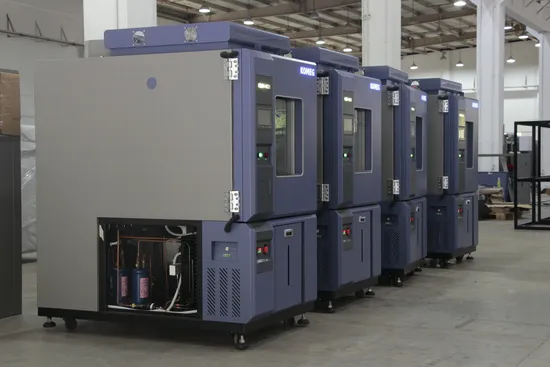
Certification and Compliance: What to Expect
Achieving compliance with either ISO or ANSI standards involves a structured process. For ISO, organizations typically undergo an external audit by an accredited certification body, which assesses documentation, processes, and testing outcomes. ANSI compliance may involve self-declaration, third-party testing, or certification, depending on the specific standard and industry requirements.
Maintaining certification requires ongoing commitment to quality management, regular audits, and continuous improvement. Companies should stay informed about updates to standards and evolving regulatory expectations to ensure ongoing compliance.
For more insight into the importance of international certification, the article on the importance of ISO certification explains how global standards can impact business growth and credibility.
Comparing ISO, ANSI, and Other Electronics Testing Standards
The electronics industry is subject to a range of testing frameworks beyond ISO and ANSI, including CE, IEC, and UL. Understanding how these standards intersect and differ can help organizations make informed decisions about compliance and certification.
- The difference between ISO and IEC electronics testing article provides a detailed comparison of these two influential international frameworks.
- For those evaluating U.S. and international requirements, the ISO vs UL testing electronics guide offers practical advice on choosing between these standards.
- To understand the implications of not following international guidelines, see the resource on ISO vs non ISO electronics testing explained.
Frequently Asked Questions
What is the main difference between ISO and ANSI in electronics testing?
The primary distinction lies in their scope and recognition. ISO standards are internationally accepted and facilitate global trade, while ANSI standards are developed for the U.S. market and address national regulatory and industry-specific needs.
Do I need both ISO and ANSI certification for my electronics products?
It depends on your target market and industry requirements. Products sold internationally often require ISO certification, while those for the U.S. market may need to comply with ANSI standards. Some sectors or clients may require both.
How do I choose the right testing standard for my business?
Consider your export goals, industry regulations, customer expectations, and the specific requirements of your product. Consulting with a testing laboratory or standards expert can help determine the best approach for compliance and certification.
