

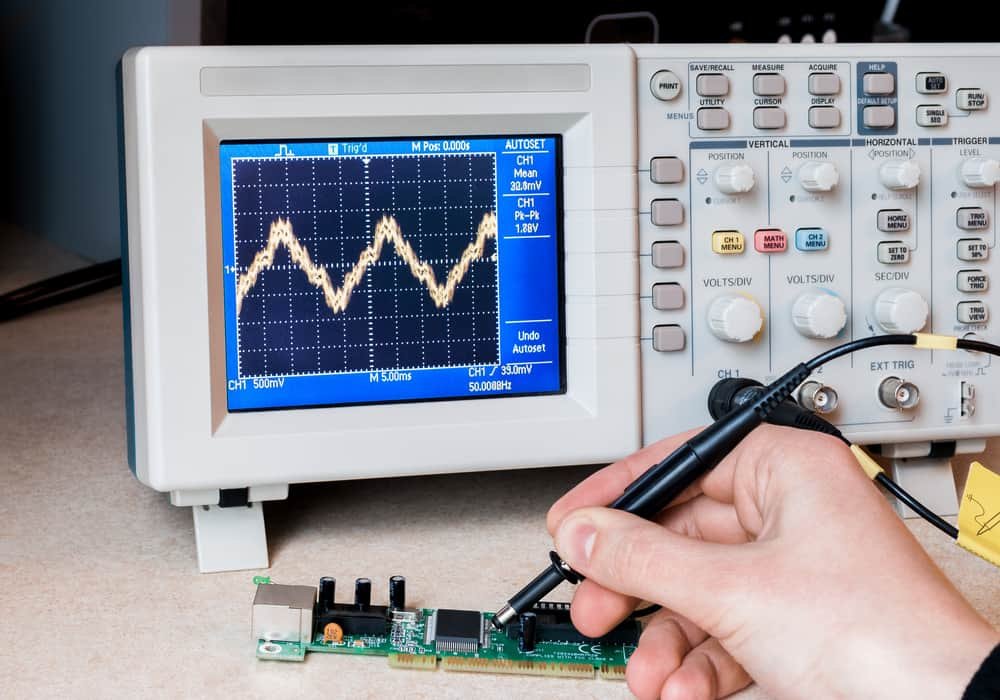
Understanding the difference between ISO and IEC electronics testing is essential for manufacturers, engineers, and quality professionals who want to ensure compliance, safety, and global market access for their products. Both ISO (International Organization for Standardization) and IEC (International Electrotechnical Commission) play significant roles in shaping the standards and procedures for evaluating electronic devices, but their approaches, scopes, and applications vary in important ways.
This article provides a clear overview of how ISO and IEC standards influence electronics testing, highlights their unique characteristics, and explains why choosing the right framework matters for product development and certification. For those interested in a broader comparison, you may also find value in this ISO vs ASTM electronics testing comparison guide.
Understanding ISO Standards in Electronics Testing
The International Organization for Standardization (ISO) develops and publishes international standards that cover a wide range of industries, including electronics. ISO standards are recognized globally and focus on ensuring quality, safety, and efficiency across processes and products.
In electronics testing, ISO standards often address topics such as quality management systems (e.g., ISO 9001), environmental management (ISO 14001), and laboratory competence (ISO/IEC 17025). These standards set out the requirements for processes, documentation, and continual improvement, helping organizations maintain consistency and reliability in their testing procedures.
For example, ISO/IEC 17025 is widely adopted by electronics testing laboratories to demonstrate technical competence and the ability to produce valid results. This standard covers aspects such as calibration, traceability, and impartiality, ensuring that test results are both accurate and trustworthy.
IEC Standards: Focus on Electrotechnical Testing
The International Electrotechnical Commission (IEC) specializes in standards for electrical, electronic, and related technologies. IEC standards are particularly relevant for testing the performance, safety, and interoperability of electronic components and systems.
Unlike ISO, which has a broader industry focus, IEC standards are more technical and specific to the electrotechnical sector. They address areas such as electromagnetic compatibility (EMC), electrical safety, environmental testing, and product-specific requirements for devices like circuit breakers, transformers, and consumer electronics.
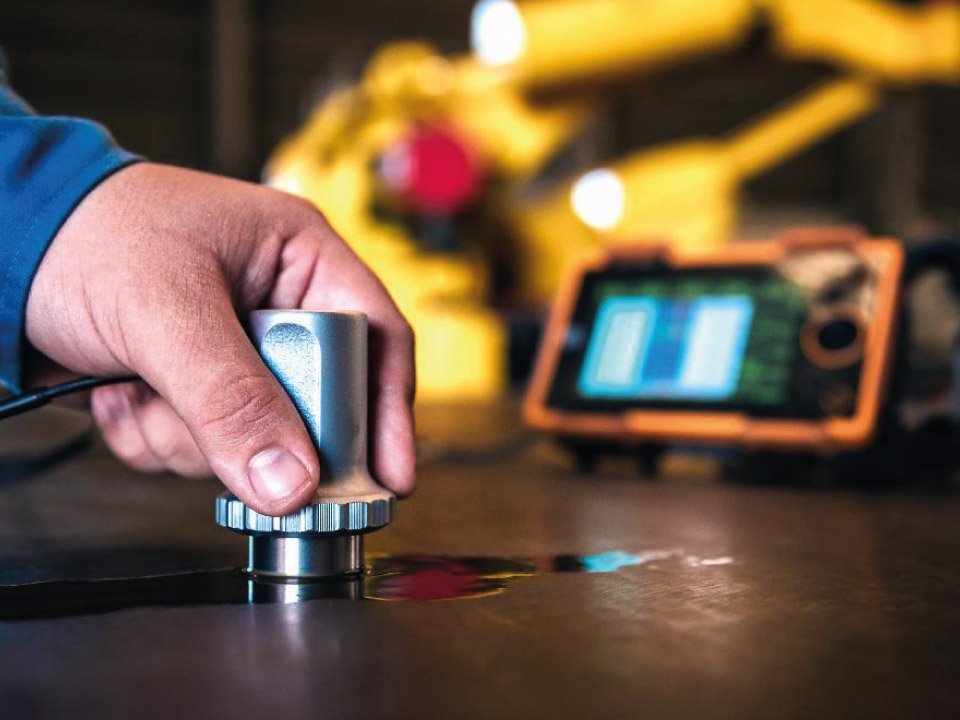
For instance, IEC 61000 series standards define testing procedures for electromagnetic compatibility, which are critical for ensuring that electronic devices do not interfere with each other or with other systems. These technical standards are often referenced in regulatory requirements and are essential for product certification in many markets.
Key Differences Between ISO and IEC Electronics Testing
While both organizations contribute to the global framework for electronics testing, there are several key differences between ISO and IEC electronics testing that manufacturers and testing labs should understand:
- Scope and Focus: ISO covers a wide range of industries and management systems, while IEC is dedicated exclusively to electrotechnical standards.
- Type of Standards: ISO provides general requirements for processes and systems (such as quality and environmental management), whereas IEC offers detailed technical standards for specific electronic products and components.
- Application: ISO standards are often used for organizational certification and process improvement, while IEC standards are typically applied to product testing and certification.
- Regulatory Impact: IEC standards are frequently referenced in national and international regulations for electronic products, making them critical for market access.
Understanding these distinctions helps organizations select the right standards for their needs and ensures that their products meet both quality and regulatory requirements.
How ISO and IEC Standards Work Together
In many cases, ISO and IEC collaborate to develop joint standards that combine the strengths of both organizations. One example is the ISO/IEC 17025 standard, which sets out the general requirements for the competence of testing and calibration laboratories. This joint approach ensures that laboratories meet both quality management and technical competence criteria.
Manufacturers and testing labs often implement both ISO and IEC standards to cover all aspects of their operations, from quality management to product-specific testing. This integrated approach provides a comprehensive framework for ensuring product safety, reliability, and compliance with international regulations.
Choosing the Right Standards for Your Electronics Testing Needs
Selecting the appropriate standards depends on several factors, including the type of product, target markets, and regulatory requirements. For organizations focused on process improvement and quality assurance, ISO standards like ISO 9001 and ISO/IEC 17025 are essential. For those developing or testing specific electronic devices, IEC standards provide the necessary technical benchmarks.
Certification to these standards not only demonstrates compliance but also enhances credibility with customers and regulators. To learn more about the benefits of ISO certification for electronics manufacturers, see this overview of why electronic manufacturers should be ISO certified.
Benefits of Understanding ISO and IEC Testing Frameworks
A clear grasp of the difference between ISO and IEC electronics testing offers several advantages:
- Improved Compliance: Ensures that products meet all relevant regulatory and market requirements.
- Enhanced Product Quality: Supports consistent testing and validation, reducing the risk of defects.
- Market Access: Facilitates entry into global markets by meeting international standards.
- Customer Confidence: Demonstrates a commitment to quality and safety, strengthening brand reputation.
Organizations that invest in understanding and applying both ISO and IEC standards position themselves for long-term success in the competitive electronics industry.
Related Considerations and Further Reading
Beyond the core differences, there are other important aspects to consider, such as training, audits, and certification renewal. For example, ensuring that laboratory staff are properly trained is critical for maintaining compliance. You can explore more about this in the ISO training requirements electronics testing labs article.
Regular audits, both internal and external, help organizations identify gaps and continuously improve their testing processes. For practical guidance, refer to resources on ISO external audit electronics testing explained and ISO internal audit electronics testing guide. Additionally, keeping certifications up to date is vital, as outlined in the ISO certification renewal electronics testing guide.
Frequently Asked Questions
What is the main distinction between ISO and IEC standards in electronics testing?
The primary difference lies in their focus: ISO standards address general management systems and quality assurance across various industries, while IEC standards are dedicated to technical requirements for electrical and electronic products. Both are important, but IEC is more product-specific, and ISO is more process-oriented.
Can a testing laboratory be certified to both ISO and IEC standards?
Yes, many laboratories seek certification to both ISO and IEC standards. For example, ISO/IEC 17025 is a joint standard that covers both management and technical competence, making it widely adopted in electronics testing environments.
Why is it important to understand the difference between ISO and IEC electronics testing?
Understanding these differences helps organizations choose the right standards for their products and processes, ensuring compliance, improving quality, and facilitating access to international markets.
