

The rapid evolution of technology has brought computing power closer to our daily lives than ever before. Wearable computing represents a significant leap, embedding digital intelligence into accessories and clothing that people can wear throughout the day. This approach not only enhances convenience but also opens up new possibilities for health, productivity, and connectivity.
As more devices become seamlessly integrated into what we wear, understanding the foundational ideas behind this trend—and the practical ways it is being used—becomes increasingly important. This article explores the core principles, device types, and real-world applications of this transformative technology.
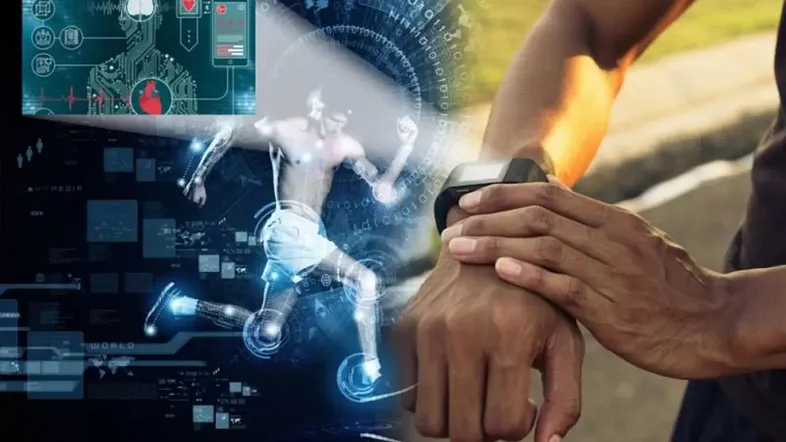
For those interested in the technical aspects of product development, the electronic product design performance testing guide provides valuable insights into ensuring reliability and efficiency in modern devices.
Core Principles of Wearable Technology
At its heart, wearable computing involves embedding sensors, processors, and connectivity features into items that can be worn on the body. These gadgets are designed to collect, process, and transmit data, often in real time. The main characteristics include:
- Portability: Devices are lightweight and comfortable for extended use.
- Continuous Operation: Many wearables function throughout the day, monitoring or assisting users without interruption.
- Context Awareness: Sensors allow devices to respond to the user’s environment or physical state.
- Connectivity: Most wearables sync with smartphones, cloud services, or other devices for data sharing and enhanced functionality.
These principles enable a wide range of applications, from health tracking to hands-free communication and beyond.
Types of Wearable Devices
The landscape of wearable devices is diverse, with innovations appearing in various forms. Some of the most common categories include:
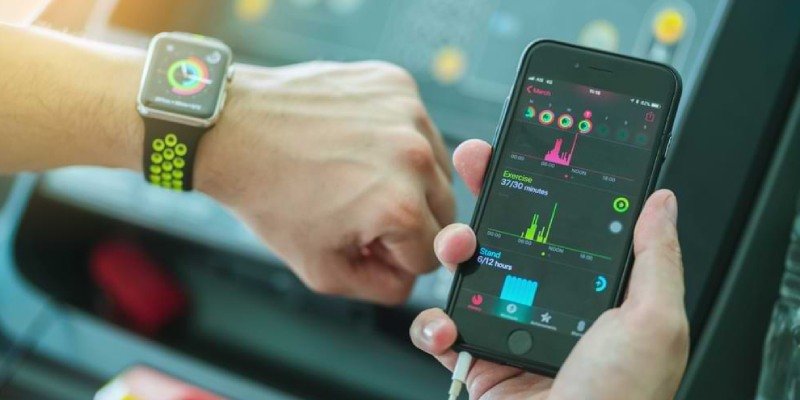
- Smartwatches: These wrist-worn devices offer notifications, fitness tracking, and even voice assistants, acting as an extension of smartphones.
- Fitness Trackers: Focused on health metrics, these bands monitor steps, heart rate, sleep patterns, and more.
- Smart Glasses: Eyewear with built-in displays, cameras, or augmented reality features, providing information overlays or hands-free recording.
- Medical Wearables: Devices such as glucose monitors, ECG patches, and hearing aids designed for continuous health monitoring and medical support.
- Smart Clothing: Garments embedded with sensors to track movement, posture, or vital signs, often used in sports or rehabilitation.
Each category addresses specific user needs, from convenience and productivity to health and safety.
Key Concepts in Wearable Computing
To fully appreciate the impact of these devices, it’s helpful to understand several important concepts:
- Ubiquitous Computing: The idea that computing is embedded everywhere, not just in traditional devices like PCs or phones.
- Human-Computer Interaction (HCI): Wearables require intuitive, non-intrusive interfaces—such as gesture, voice, or haptic feedback—to ensure seamless interaction.
- Data Privacy and Security: Since wearables collect sensitive personal data, robust security measures and user consent are essential.
- Battery Life: Efficient power management is crucial for devices meant to be worn all day.
These concepts drive the design and adoption of wearable technology, shaping how devices fit into daily routines.
Real-World Applications and Use Cases
The practical uses for wearable computing are expanding rapidly. Here are some notable examples:
- Healthcare: Continuous monitoring of vital signs, early detection of health issues, and remote patient management have become more accessible thanks to medical wearables.
- Fitness and Wellness: Activity trackers and smartwatches help users set goals, monitor progress, and stay motivated to maintain healthy habits.
- Workplace Productivity: Smart glasses and hands-free devices assist workers in logistics, manufacturing, and field service by providing real-time information or remote support.
- Safety: Wearables can detect falls, alert emergency contacts, or monitor hazardous environments for workers in high-risk industries.
- Entertainment and Lifestyle: Devices like AR glasses enable immersive gaming or interactive experiences, while smart jewelry offers discreet notifications.
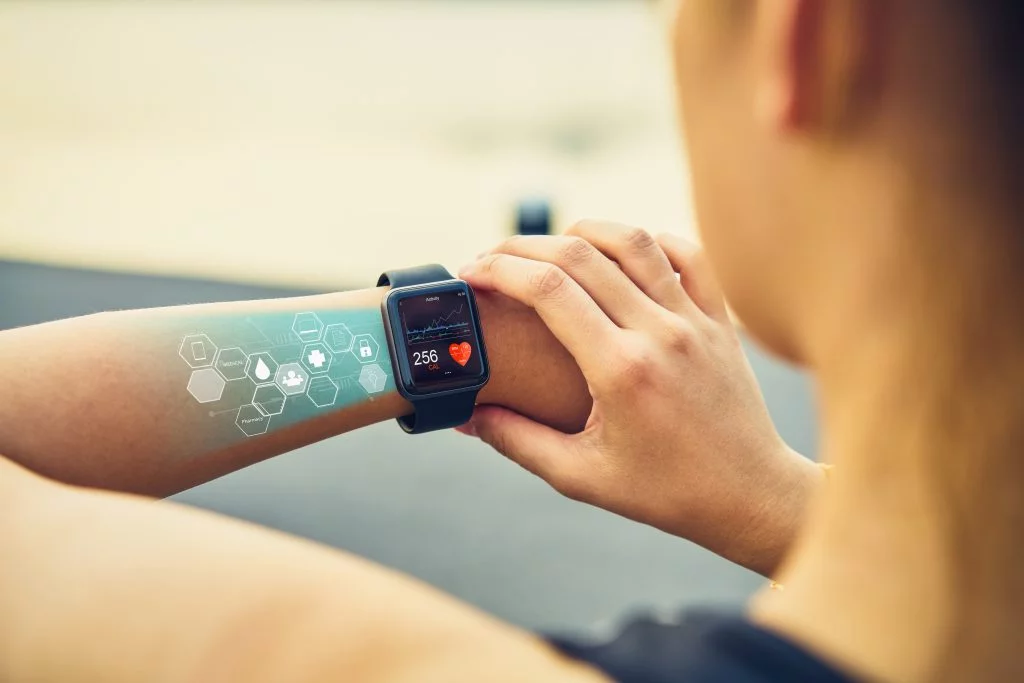
For a deeper dive into the integration of electronics into everyday items, the article on how computers are being woven into clothing and accessories offers an in-depth look at this trend.
Challenges and Considerations in Wearable Tech
While the benefits of wearables are substantial, there are important hurdles to address:
- Privacy Concerns: The collection and sharing of personal data require transparent policies and robust protections.
- Interoperability: Ensuring that devices from different manufacturers work together smoothly can be a challenge.
- User Adoption: Comfort, style, and ease of use are critical for widespread acceptance.
- Battery Limitations: Balancing device capabilities with battery life remains a technical challenge.
- Regulatory Compliance: Medical and safety wearables must meet strict standards to ensure user safety and data integrity.
Addressing these issues is essential for the continued growth and acceptance of wearable devices in both consumer and professional settings.
Future Trends in Wearable Computing
The future of wearable computing is likely to bring even more integration and intelligence. Anticipated developments include:
- Advanced Sensors: Improved biometrics and environmental sensors will enable more detailed and accurate data collection.
- Artificial Intelligence: On-device AI will allow for smarter, more personalized feedback and automation.
- Flexible and Discreet Designs: Wearables will become less noticeable, blending seamlessly into clothing or accessories.
- Expanded Healthcare Roles: With regulatory approval, more devices will assist in diagnostics, therapy, and chronic disease management.
- Greater Interconnectivity: Wearables will play a key role in the broader Internet of Things (IoT) ecosystem.
As these trends mature, wearable technology will continue to shape how we interact with the digital world and manage our well-being.
FAQ: Wearable Computing Essentials
What are the main benefits of wearable technology?
Wearables offer real-time data collection, hands-free operation, and personalized feedback. They enhance health monitoring, improve productivity, and provide convenient access to information without interrupting daily activities.
Are there privacy risks associated with wearable devices?
Yes, since these devices often collect sensitive health and location data, privacy is a major concern. Users should review device privacy policies, use secure connections, and ensure that data sharing is limited to trusted parties.
How do wearables differ from traditional mobile devices?
Unlike smartphones or tablets, wearables are designed for continuous, unobtrusive use and often focus on specific functions such as fitness tracking or health monitoring. They typically offer simpler interfaces and rely on connectivity with other devices for full functionality.
