

Wearable technology has quickly moved from a niche innovation to a mainstream tool that is transforming a wide range of sectors. From healthcare and manufacturing to sports and retail, organizations are leveraging smart devices to improve efficiency, safety, and user experience. As these devices become more sophisticated, the number of industries using wearable technology continues to grow, unlocking new opportunities and changing how businesses operate.
This article explores how different sectors are adopting wearables, the benefits they are experiencing, and the challenges they face. For those interested in the technical process behind integrating such devices, the electronic product design system integration guide provides a comprehensive overview of bringing new electronic solutions to market.
Healthcare: Transforming Patient Care and Monitoring
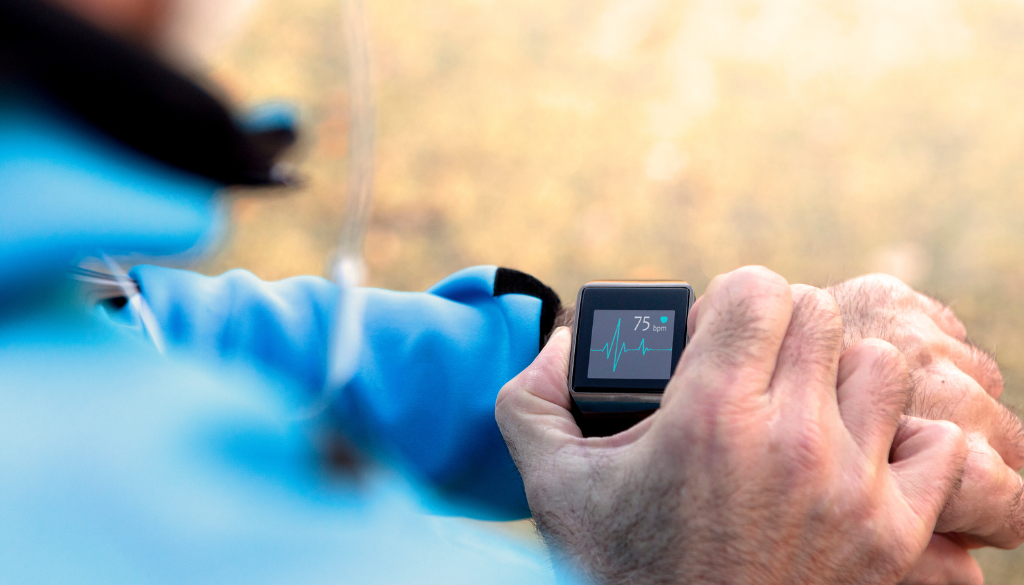
The medical field is at the forefront of adopting wearable devices. Smartwatches, fitness trackers, and specialized medical wearables are now common tools for both patients and healthcare professionals. These devices can monitor vital signs, track physical activity, and even detect irregular heart rhythms or falls in real time. This continuous monitoring allows for early intervention and more personalized care.
Hospitals and clinics are also using wearable sensors to track patient recovery and medication adherence. For elderly patients or those with chronic conditions, wearables provide peace of mind by alerting caregivers or medical staff in case of emergencies. The integration of these technologies is improving outcomes and reducing hospital readmissions.
Manufacturing and Industrial Safety
Factories and industrial sites are increasingly relying on wearables to enhance worker safety and productivity. Smart helmets, vests, and wristbands can monitor environmental conditions, detect fatigue, and alert workers to potential hazards. By collecting real-time data, these devices help prevent accidents and ensure compliance with safety regulations.
Wearable technology also supports hands-free communication and workflow optimization. For example, augmented reality (AR) glasses can provide technicians with step-by-step instructions or remote support while keeping their hands free for complex tasks. This not only improves efficiency but also reduces errors and downtime.
Sports and Fitness: Enhancing Performance and Recovery
Athletes and fitness enthusiasts have embraced wearables to track performance metrics, optimize training, and monitor recovery. Devices such as heart rate monitors, GPS trackers, and smart clothing provide detailed insights into movement, exertion, and sleep quality. Coaches and trainers use this data to tailor workouts and prevent injuries.
Professional sports teams are investing in advanced wearables to gain a competitive edge. By analyzing biometric data, teams can identify trends, predict injuries, and make informed decisions about player health and readiness. The use of technology in sports is not limited to professionals—amateurs and hobbyists are also benefiting from personalized feedback and motivation.

Retail and Customer Experience
Retailers are adopting wearable devices to streamline operations and improve customer engagement. Sales associates equipped with smart badges or AR glasses can access inventory information, receive real-time updates, and assist customers more efficiently. Wearables can also facilitate contactless payments and personalized marketing, creating a seamless shopping experience.
In addition, retailers are using wearables to gather data on customer behavior, such as foot traffic patterns and dwell times. This information helps optimize store layouts and tailor promotions to individual preferences, driving sales and customer loyalty.
Logistics and Supply Chain Management
The logistics sector is leveraging wearable technology to track shipments, monitor worker activity, and ensure timely deliveries. Devices like smart gloves and wrist scanners allow employees to scan barcodes and manage inventory without interrupting their workflow. This hands-free approach increases accuracy and speeds up order fulfillment.
Fleet managers are using wearables to monitor driver health, fatigue, and compliance with safety protocols. Real-time alerts can prevent accidents and improve overall fleet performance. As supply chains become more complex, wearables are playing a crucial role in maintaining visibility and efficiency from warehouse to delivery.
Workplace Productivity and Collaboration
Beyond specific industries, businesses of all types are exploring how wearables can enhance productivity and collaboration. Smartwatches and fitness bands can encourage healthier habits among employees, reducing absenteeism and boosting morale. AR and VR headsets are being used for remote meetings, training, and immersive presentations, breaking down geographical barriers.
Wearables also support secure access to company systems and facilities, replacing traditional ID cards with biometric authentication. As remote and hybrid work models become more common, these devices help maintain connectivity and streamline communication.
Challenges and Considerations for Adoption
While the benefits are clear, organizations must address several challenges when implementing wearable technology. Data privacy and security are top concerns, as these devices collect sensitive personal and business information. Ensuring compliance with regulations and protecting user data is essential.
Integration with existing systems can also be complex, requiring careful planning and investment. Battery life, device durability, and user comfort are important factors, especially in demanding environments. Companies should involve end-users in the selection and testing process to maximize adoption and effectiveness.
For a deeper understanding of how wearables fit into the broader landscape of electronic products, the electronic product design documentation workflow offers valuable insights into the development and deployment process.
Understanding the Technology Behind Wearables
At their core, wearables combine sensors, wireless connectivity, and data processing to deliver actionable insights. Advances in miniaturization, battery technology, and software have made it possible to embed powerful features into compact, comfortable devices. The introduction to wearable technology provides a detailed look at the components and trends shaping this field.
As artificial intelligence and machine learning become more integrated with wearables, the potential applications will continue to expand. Predictive analytics, real-time feedback, and seamless integration with other smart devices are just a few of the innovations on the horizon.
FAQ: Wearable Technology in Modern Industries
What are the main benefits of using wearables in the workplace?
Wearables can enhance safety, improve productivity, and provide real-time data for decision-making. They support hands-free communication, monitor health and environmental conditions, and streamline workflows, leading to better outcomes for both employees and organizations.
How do companies address privacy concerns with wearable devices?
Organizations must implement strict data protection policies, ensure compliance with relevant regulations, and use secure communication protocols. Transparency with users about data collection and usage is essential, as is providing options for consent and control over personal information.
Which sectors are expected to adopt wearable technology next?
While healthcare, manufacturing, and retail are leading the way, sectors such as education, hospitality, and construction are exploring wearable solutions. As technology advances and costs decrease, adoption is likely to spread to more industries seeking to improve efficiency and user experience.
Industries using wearable technology are setting new standards for innovation and operational excellence. As adoption grows, organizations that embrace these tools will be better positioned to adapt to changing demands and deliver greater value to their stakeholders.
