


Wearable sensors have become a central part of modern health, fitness, and lifestyle technology. From smartwatches tracking heart rate to fitness bands counting steps, these compact devices gather a wealth of data about our bodies and activities. Understanding how wearable sensors work and the methods they use for collecting and processing information is essential for anyone interested in the future of personal technology.
These devices rely on a blend of hardware, software, and connectivity to deliver real-time insights. Whether you’re a tech enthusiast, a healthcare professional, or simply curious about the technology on your wrist, this guide will break down the core principles behind wearable sensor operation and data collection.
For those interested in the technical side of product development, the electronic product design system integration guide provides a deeper look at how these technologies are integrated into consumer devices.
The Fundamentals of Wearable Sensor Technology
At the heart of every wearable device is a collection of sensors designed to monitor specific physical or environmental parameters. These sensors convert real-world signals—such as movement, temperature, or heart rate—into digital data that can be processed and analyzed.
- Accelerometers detect movement and orientation, enabling step counting and activity tracking.
- Gyroscopes measure rotational motion, improving accuracy in activity recognition.
- Optical sensors use light to monitor heart rate and blood oxygen levels.
- Temperature sensors track skin or ambient temperature for health monitoring.
- Electrodermal activity sensors measure skin conductivity, which can indicate stress levels.
These components are miniaturized and embedded in wearable gadgets, allowing continuous, non-invasive monitoring.
How Wearable Devices Collect and Process Data
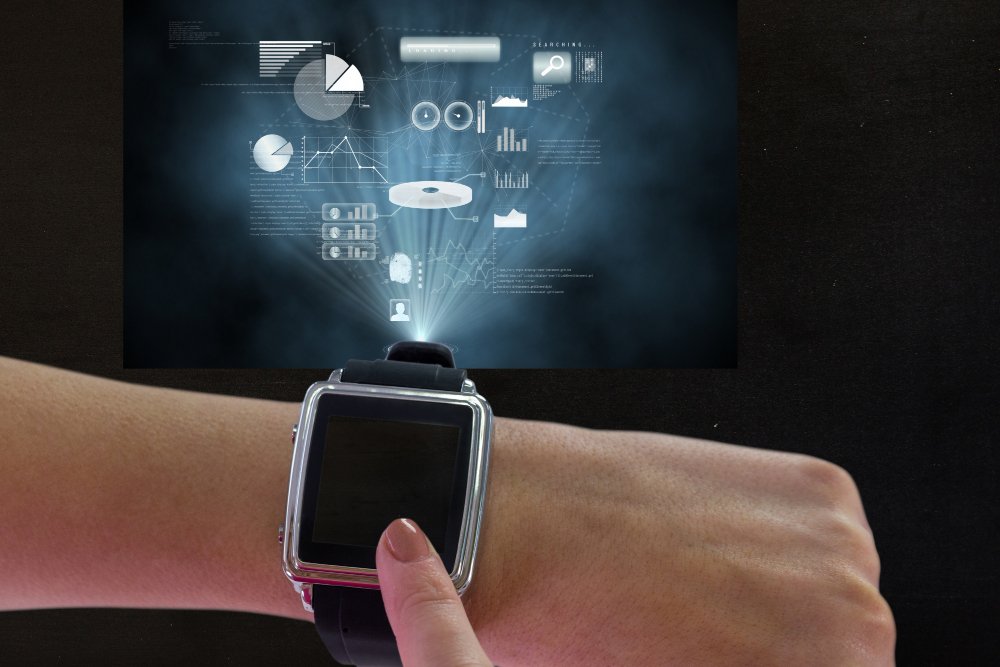
The process of data collection in wearables involves several key steps. First, sensors detect changes in the environment or the wearer’s body. These analog signals are then converted into digital form using analog-to-digital converters (ADCs). The device’s onboard processor interprets this data, applying algorithms to filter noise and extract meaningful information.
For example, when tracking your heart rate, an optical sensor shines light onto your skin and measures the amount reflected back. Variations in light absorption correspond to blood flow, allowing the device to calculate your pulse. Similarly, accelerometers and gyroscopes work together to distinguish between walking, running, and other activities by analyzing patterns of movement.
Modern wearables often use machine learning models to improve the accuracy of activity recognition and health monitoring. These models are trained on large datasets to identify subtle patterns in sensor data, enabling features like fall detection or irregular heartbeat alerts.
Connectivity and Data Transmission in Wearable Sensors
Once data is collected and processed, it needs to be transmitted for further analysis or display. Most wearables connect to smartphones or cloud services via Bluetooth, Wi-Fi, or cellular networks. This connectivity allows users to view their data in real time, receive notifications, and sync information across devices.
Some advanced wearables can store data locally and upload it when a connection is available, ensuring continuous monitoring even when offline. Data privacy and security are crucial considerations, as sensitive health information must be protected during transmission and storage.
To learn more about the integration of electronics in clothing and accessories, see this overview of wearable technology in clothing.
Applications and Benefits of Wearable Sensor Data
The insights provided by wearable sensors extend far beyond step counting. In healthcare, continuous monitoring of vital signs can help detect early signs of illness or manage chronic conditions. Athletes use wearables to optimize training and recovery, while everyday users benefit from reminders to move, hydrate, or sleep better.
Wearable data is also valuable for researchers and clinicians, enabling large-scale studies of population health and behavior. Aggregated, anonymized data can reveal trends and inform public health strategies.

Challenges and Considerations in Wearable Sensor Design
While the benefits are significant, designing effective wearable sensors presents several challenges. Devices must be comfortable, lightweight, and unobtrusive, with batteries that last through daily use. Sensor accuracy can be affected by factors like skin tone, movement artifacts, or environmental conditions.
Manufacturers must also address issues of data interoperability, ensuring that information from different devices can be integrated and analyzed together. Regulatory standards for medical-grade wearables are evolving, requiring rigorous testing and validation.
For professionals involved in product development, the electronic product design documentation workflow offers guidance on managing the complex process of bringing wearable devices to market.
Future Trends in Wearable Sensor Technology
The landscape of wearable sensors is rapidly evolving. Emerging trends include the use of flexible and stretchable electronics, enabling sensors to conform to the body for improved comfort and accuracy. Integration with artificial intelligence is making wearables smarter, with predictive analytics and personalized recommendations.
We can also expect to see more medical-grade devices approved for clinical use, expanding the role of wearables in disease management and telemedicine. As battery technology improves, devices will become even smaller and more capable, opening new possibilities for continuous health monitoring.
FAQ: Wearable Sensors and Data Collection
What types of data can wearable sensors collect?
Wearable sensors can monitor a wide range of data, including physical activity, heart rate, sleep patterns, body temperature, blood oxygen levels, and even stress indicators. Some advanced devices also track ECG, hydration, and environmental factors like UV exposure.
How accurate are wearable sensors compared to medical devices?
While consumer wearables provide valuable insights, their accuracy can vary depending on sensor quality, placement, and user behavior. Medical-grade wearables undergo more rigorous testing and validation, but even these can be affected by external factors. For critical health decisions, data from wearables should be interpreted alongside professional medical advice.
How is my data protected when using wearable devices?
Most reputable wearable manufacturers use encryption and secure protocols to protect data during transmission and storage. Users should review privacy policies and ensure devices are updated with the latest security patches. It’s also important to use strong passwords and enable two-factor authentication when available.
As wearable technology continues to advance, understanding how wearable sensors work and how they collect and process data will help users make informed choices about the devices they trust with their health and lifestyle information.
