

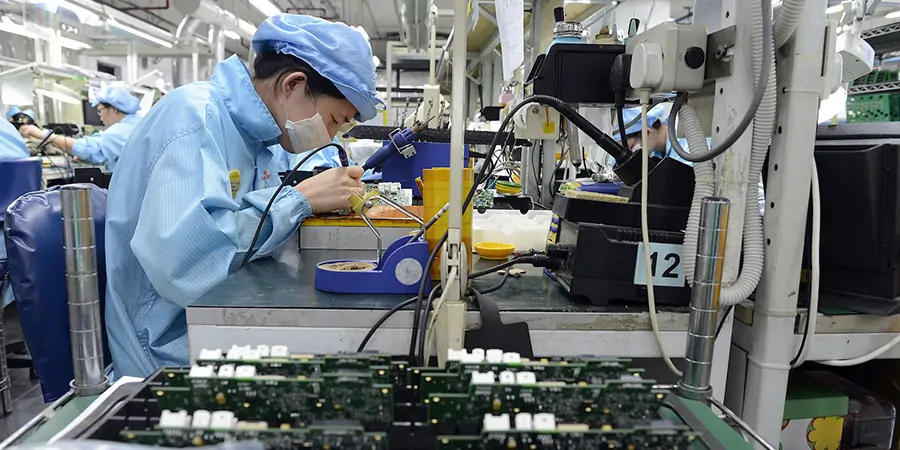
Printed circuit boards (PCBs) form the backbone of modern electronics, but their reliability can be compromised by physical distortions. PCB warping is a common issue that leads to misalignment, soldering problems, and even device failure. Understanding the factors that contribute to this problem and learning effective strategies to avoid it is essential for anyone involved in electronics design, manufacturing, or assembly.
This guide explores practical methods to minimize board deformation, from design considerations to manufacturing best practices. Whether you’re an engineer, a production manager, or a hobbyist, the following insights will help you achieve more consistent results and extend the lifespan of your electronic products.
For a deeper understanding of related manufacturing hurdles, you may also want to read about electronics fabrication challenges and how they impact overall product quality.
Understanding PCB Warping and Its Causes
Before diving into solutions, it’s important to grasp what causes a PCB to lose its flatness. Warping refers to any unwanted bending, twisting, or bowing of a circuit board. Even slight distortions can create significant issues during automated assembly or when fitting the board into enclosures.
The main contributors to this problem include:
- Thermal stress during soldering or reflow processes
- Uneven copper distribution across layers
- Improper storage or handling conditions
- Moisture absorption by the board material
- Incorrect board thickness or aspect ratio
- Mechanical stress from mounting or connectors
Recognizing these factors is the first step toward implementing effective prevention techniques.
Design Strategies to Minimize Board Deformation
The design phase is critical for reducing the risk of warping. By making informed choices early, you can help ensure the board remains stable throughout its lifecycle.
- Balanced copper layout: Distribute copper evenly on both sides and across all layers to prevent uneven expansion and contraction during heating.
- Appropriate board thickness: Thicker boards are less prone to bending. Choose a thickness that matches the size and application of your PCB.
- Aspect ratio considerations: Avoid long, narrow shapes that are more susceptible to twisting. Maintain a reasonable length-to-width ratio.
- Material selection: Use high-quality base materials (such as FR-4) with low moisture absorption and good thermal stability.
- Symmetrical stack-up: Design multilayer boards with symmetrical layer arrangements to balance internal stresses.

Manufacturing Best Practices for Preventing Warping
Even with careful design, the production process can introduce stresses that lead to board deformation. Manufacturers can adopt several best practices to keep PCBs flat and functional:
- Controlled heating and cooling: Use gradual temperature changes during soldering and reflow to minimize thermal shock.
- Proper support during processing: Employ fixtures or carriers to support large or thin boards during assembly and soldering.
- Moisture control: Store raw materials and finished boards in dry environments to prevent water absorption, which can cause expansion and warping.
- Panelization techniques: Design panel layouts that reduce stress concentration and allow for even support during manufacturing.
- Inspection and quality control: Regularly check boards for flatness at multiple stages, not just at final inspection.
For a comprehensive overview of the steps involved in electronics manufacturing, see this complete process of electronic manufacturing services guide.
Assembly and Handling Tips to Avoid PCB Distortion
The way boards are handled and assembled can also impact their flatness. Here are practical steps to reduce the risk of deformation during and after assembly:
- Gentle handling: Avoid flexing or bending the board when moving or installing it.
- Use of standoffs and supports: Secure the PCB with standoffs or mounting hardware to distribute mechanical stress evenly.
- Controlled environment: Maintain stable temperature and humidity in storage and assembly areas.
- Proper packaging: Ship and store boards in flat, rigid packaging to prevent accidental bending.
- Timely assembly: Assemble boards soon after manufacturing to reduce the risk of moisture absorption or warping over time.
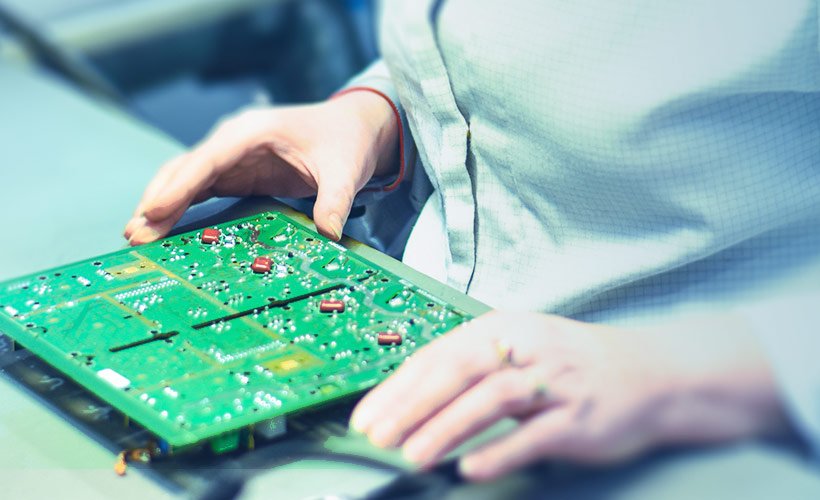
Role of Thermal Management in Preventing PCB Issues
Effective thermal management in electronics is crucial for maintaining board integrity. Excessive heat not only affects component performance but also increases the risk of warping. By incorporating heat sinks, thermal vias, and proper airflow into your design, you can help dissipate heat more efficiently and reduce the likelihood of deformation.
Additionally, selecting materials with a low coefficient of thermal expansion and ensuring balanced copper distribution will further enhance the board’s resistance to heat-induced stress.
Testing and Inspection Methods for Flatness
Regular inspection is key to catching and addressing warping before it becomes a problem. Here are some methods commonly used in the industry:
- Visual inspection: Simple flatness checks on a reference surface can quickly reveal obvious warping.
- Automated optical inspection (AOI): Machines can detect even minor deviations from flatness during production.
- Mechanical gauges: Tools like dial indicators or height gauges provide precise measurements of board flatness.
- Functional testing: Ensuring circuit continuity and proper operation can reveal issues caused by warping. Learn more about circuit continuity testing and its importance in quality assurance.
Frequently Asked Questions
What materials are most resistant to PCB warping?
Materials like high-grade FR-4, polyimide, and certain metal-core substrates offer excellent resistance to moisture absorption and thermal expansion. Selecting a material with a low coefficient of thermal expansion is vital for minimizing deformation, especially in high-temperature applications.
How does copper distribution affect board flatness?
Uneven copper distribution creates imbalanced thermal expansion during soldering and reflow, which can cause the board to bend or twist. Ensuring symmetrical copper layouts on all layers helps maintain structural integrity and reduces the risk of warping.
Can PCB warping be corrected after manufacturing?
Minor warping can sometimes be mitigated by controlled heating and flattening processes, but these methods are not always reliable and may introduce new stresses. Prevention through proper design, material selection, and manufacturing control is far more effective than attempting to fix the issue after the fact.
Conclusion
Preventing board deformation requires a holistic approach that spans design, material selection, manufacturing, and handling. By implementing the strategies outlined in this article, you can significantly reduce the risk of warping and ensure reliable, high-quality electronic products. For additional insights into design best practices, review the principles in circuit design rules explained.
Staying proactive and informed is the best way to maintain board flatness and avoid costly failures in the field.
